Is Homeschooling Legal in India? A Parent's Guide
For many Indian families exploring alternative education, a fundamental question arises: is homeschooling legal in India? The definitive answer is yes, homeschooling is absolutely legal and a recognised mode of education in India. Recent discussions, spurred by articles like News18's 'Why Indian Parents Are Choosing Homeschooling For Kids,' highlight a growing interest among parents seeking flexible and child-centric learning paths away from traditional school pressures.
Homeschooling is the practice of educating children at home rather than in a traditional public or private school setting. This matters because it allows for a highly personalised curriculum, catering to a child's unique pace and interests. Indian parents can tailor learning experiences, often incorporating cultural values and family schedules seamlessly.
Understanding India's Stance on Homeschooling
India's legal framework for education, particularly the Right to Education (RTE) Act of 2009, mandates education for all children aged 6 to 14. However, it does not explicitly prohibit homeschooling; rather, it focuses on ensuring every child receives an education, regardless of the setting. Research shows that while many countries have strict homeschooling laws, India operates on a principle of parental choice and responsibility, providing flexibility without specific regulatory burdens.
Child development experts agree that a nurturing home environment can be incredibly conducive to learning. While no specific 'homeschooling laws India' exist, the government's stance implicitly supports diverse educational approaches as long as the child's right to education is fulfilled. This progressive approach empowers parents to choose the best learning environment for their children, often leading to enhanced academic outcomes and emotional well-being, freeing them from the anxieties of the traditional school system.
Why Indian Parents Are Embracing Homeschooling
Indian parents are increasingly choosing homeschooling for diverse reasons, reflecting a shift in educational priorities and family values. A significant driver, as highlighted in current news discussions, is the desire to alleviate the intense academic pressure and exam-centric focus prevalent in traditional schools. Studies indicate that homeschooling can offer a stress-free learning environment, allowing children to develop a deeper understanding rather than rote memorisation, and reducing the stress often associated with competitive academic environments.
The flexibility of homeschooling allows families to integrate learning with cultural celebrations, joint family gatherings, and travel, which are integral parts of Indian life. Grandparents can often play a more active role in a child's education, imparting traditional wisdom and stories. Furthermore, it enables parents to cater to specific learning needs or accelerate gifted children, providing a truly bespoke educational journey from early childhood (e.g., 18-24 months) through adolescence, ensuring every child thrives at their own pace.
Navigating Educational Boards and Certifications
While homeschooling is legal, ensuring academic recognition is crucial for future pathways. The National Institute of Open Schooling (NIOS) is the most popular and officially recognised board for homeschoolers in India, offering secondary and senior secondary certifications equivalent to CBSE. This allows children to sit for board exams as private candidates, ensuring their qualifications are valid for higher education within India.
Additionally, some Indian homeschooling families opt for international boards like Cambridge IGCSE or A-levels, providing global recognition. These pathways require careful planning and consistent documentation of progress, fulfilling the 'legal requirements for homeschooling India' in terms of academic validation, and opening doors to universities worldwide.
Creating a Legally Compliant & Enriching Homeschool Environment
Establishing a high-quality homeschooling environment involves thoughtful planning and access to appropriate educational resources. Parents are responsible for designing a comprehensive curriculum that covers essential subjects and aligns with developmental milestones, from practical life skills to academic rigour. This proactive approach ensures compliance with the spirit of educational mandates, even without strict 'homeschooling regulations India' directly governing the curriculum, and provides a rich learning experience.
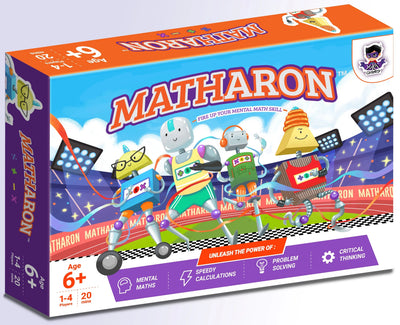
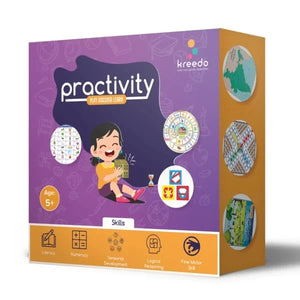
For early learners, incorporating Montessori principles with materials like the Pink Tower or Sandpaper Letters fosters self-directed learning and independence, as advocated by Maria Montessori. As children grow, integrating diverse learning tools, including engaging activity kits, ensures engagement across various subjects and cultivates critical thinking. Maintaining clear records of attendance, lessons, and assessments demonstrates a commitment to a structured educational process, serving as an unofficial but effective documentation of their learning journey.
The Role of Community and Support Networks
Connecting with other homeschooling families forms a vital support system, fostering a sense of community and shared experience. Online forums, local meet-up groups, and cooperative learning initiatives provide opportunities for children to socialise and parents to exchange ideas and resources. This network addresses a common concern about socialisation for homeschooled children, ensuring they develop crucial interpersonal skills within a supportive and understanding environment.
- Homeschooling is definitively legal in India, with no specific laws prohibiting it.
- The Right to Education (RTE) Act focuses on ensuring education, not mandating a traditional school setting.
- Indian parents often choose homeschooling for flexibility, reduced exam pressure, and personalised learning experiences.
- NIOS (National Institute of Open Schooling) is a key pathway for academic certification in India for homeschoolers.
- Incorporating Montessori materials and diverse activity kits significantly enhances the quality of home education.
- Strong community support networks are crucial for successful and holistic homeschooling in India.
Do I need to register my child for homeschooling in India?
No, there is no specific national registration process for homeschooling in India. Parents are generally free to educate their children at home without formal government approval or registration, focusing on fulfilling their child's right to education.
What educational boards can homeschoolers in India join?
Homeschoolers in India commonly opt for the National Institute of Open Schooling (NIOS) for secondary and senior secondary certifications. International boards like Cambridge IGCSE are also viable options for academic accreditation and global recognition.
How can I ensure my child's social development while homeschooling?
Social development can be fostered through participation in homeschooling communities, sports clubs, extracurricular activities, and local workshops. Regular interaction with peers and diverse age groups is crucial for holistic growth and strong social skills.
Are there any age restrictions for homeschooling in India?
No, there are no specific age restrictions explicitly outlined for homeschooling in India. Parents can choose to homeschool children from early childhood through to their secondary education years, adapting the curriculum to their developmental stage.
What resources are essential for starting homeschooling in India?
Essential resources include a well-planned curriculum, educational materials tailored to your child's age and learning style, and access to online or local homeschooling support groups. High-quality Montessori learning materials can significantly enrich early childhood homeschooling.