Is Homeschooling Legal in India? Guide for Parents
For many Indian parents exploring alternatives to conventional schooling, the question, is homeschooling legal in India? is paramount. The answer is a resounding yes: homeschooling is indeed permitted and recognized in India, offering families the freedom to educate their children outside traditional classroom settings. While specific national homeschooling laws India might not be explicitly detailed, the existing legal framework supports parents' right to choose their child's educational path.
Homeschooling is a flexible educational approach where children learn at home or in various settings outside a traditional school environment. This method is often guided by parents, guardians, or tutors, focusing on individualized learning paths. This matters because it offers a personalized education tailored to a child's unique needs and interests. Indian parents can confidently explore this option, designing an educational journey that aligns with their family values and the child's development.
The Legal Status of Homeschooling in India: A Clear Picture
Research shows that the legal status of homeschooling India is largely unregulated but permitted. There is no explicit national law that prohibits homeschooling, and the Right to Education (RTE) Act of 2009 primarily focuses on ensuring access to education for all children aged 6 to 14 years. It does not mandate that this education must be received within a conventional school environment. This means Indian families have the autonomy to decide on the mode of their children's education, whether it's through traditional schooling or a home-based learning model.
This understanding of homeschooling recognition India empowers parents to take charge of their child's learning journey without fear of legal repercussions. While specific homeschooling regulations India are minimal, this freedom allows for innovative and personalized educational experiences. It reflects a progressive view where the child's best interest and the parents' right to choose are prioritized.
Why Indian Parents Are Embracing Homeschooling Now
The current discourse around homeschooling, as highlighted by publications like The Times of India and thecore.in, reveals a growing interest among Indian families. Parents are increasingly saying no to conventional schools due to various factors, including intense academic pressure, rigid curricula, and the desire for more personalized learning environments. Homeschooling offers a solution that allows children to learn at their own pace, exploring subjects in depth and fostering genuine curiosity.
For many, homeschooling also allows for the seamless integration of cultural values and family traditions, especially in joint family setups where grandparents play a significant role in a child's upbringing. It offers flexibility to travel, participate in festivals, and maintain a lifestyle that might not be possible with conventional school schedules. This surge in interest underscores a shift towards more child-centric and culturally integrated educational models across the nation.
Understanding Homeschooling Regulations in India: Key Considerations
While explicit homeschooling laws India are scarce, parents should be mindful of certain considerations. Primarily, the responsibility for curriculum design, instruction, and assessment falls squarely on the parents. Many choose established frameworks like the National Institute of Open Schooling (NIOS) for its flexibility and recognized certifications, while others opt for international curricula like Cambridge or IB, or even design an eclectic, unschooling-inspired approach. Child development experts agree that a well-structured and engaging curriculum is crucial for effective homeschooling.
Parents considering this path should also think about documentation. Maintaining detailed records of learning activities, progress reports, and portfolios can be beneficial for future academic transitions, such as college admissions. While local authorities typically do not interfere with homeschooling decisions, being informed about educational pathways for certifications is practical for a smooth educational journey.
Montessori at Home: A Powerful Framework for Indian Families
For parents embracing homeschooling, the Montessori method offers a proven, child-centric framework. Dr. Maria Montessori's philosophy emphasizes self-directed activity, hands-on learning, and collaborative play within a prepared environment. This aligns beautifully with the goals of many homeschooling families in India, providing a structured yet flexible approach to education.
At SkilloToys.com, we understand the importance of quality educational resources. Our range of Montessori learning materials, such as the pink tower for understanding dimensions or sandpaper letters for tactile literacy, supports hands-on exploration crucial for early childhood development. Studies indicate that children engaged with Montessori methods often develop strong problem-solving skills and a love for lifelong learning, making it ideal for the home environment.
Building Your Homeschooling Community in India
Homeschooling doesn't mean isolation. In India, a vibrant community of homeschooling families is growing, particularly in metropolitan areas like Bengaluru, Mumbai, and Delhi. These communities offer invaluable support, resources, and opportunities for children to socialize through co-ops, field trips, and shared learning experiences. Grandparents and extended family members often become an integral part of this support system, enriching the child's learning with their wisdom and stories.
Connecting with other homeschooling parents online and offline can provide encouragement, practical advice, and a sense of belonging. It's a testament to the community-building spirit that makes homeschooling a fulfilling journey for both parents and children.
Ensuring Your Child's Holistic Development Beyond Academics
While academic learning is important, homeschooling in India allows for a truly holistic approach to development. This includes nurturing social skills, emotional intelligence, and practical life skills that are often overlooked in conventional schooling. Engaging in household chores, participating in community service, and learning about Indian traditions and festivals firsthand are all part of a rich, home-based education.
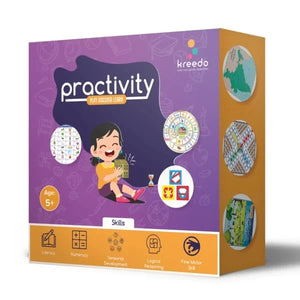
Integrating fun and engaging activities is vital. Our activity kits at SkilloToys.com are designed to complement academic learning with creative and sensory experiences, fostering critical thinking and fine motor skills. Research consistently highlights the benefits of individualized learning approaches for cognitive growth, especially when coupled with real-world experiences and play.
Key Takeaways: Homeschooling Legality in India
- Homeschooling is legally permitted in India, although not explicitly regulated by a specific national law.
- The Right to Education (RTE) Act focuses on a child's right to education, not mandating a particular school setting.
- Indian parents have the autonomy to choose their child's educational environment.
- No mandatory national registration for homeschooling currently exists in India.
- Homeschooled children can appear for recognized board examinations like NIOS, Cambridge, or IB.
- Montessori principles offer a robust, child-centric framework for effective home education.
Is homeschooling recognized by the Indian government?
Yes, homeschooling is permitted in India. While there isn't a specific national law dedicated solely to homeschooling, the Indian legal framework, particularly the Right to Education Act (RTE), focuses on the child's right to education, not mandating a specific school setting. Parents have the right to choose their child's educational path.
Do I need to register my child if I homeschool in India?
Currently, there is no mandatory national registration requirement for homeschooling in India. However, it is advisable for parents to research any specific state or local guidelines, although these are generally non-existent for homeschooling. Keeping records of your child's progress and curriculum is a good practice for future academic transitions.
Can homeschooled children appear for board exams in India?
Yes, homeschooled children in India can appear for various board examinations, including the National Institute of Open Schooling (NIOS), Cambridge International, or International Baccalaureate (IB) exams, often as private candidates. These boards provide a recognized pathway for certification and further education.
What curriculum options are available for homeschooling in India?
Indian parents have diverse curriculum options, including following the National Institute of Open Schooling (NIOS) syllabus, international curricula like Cambridge or IB, or even designing an eclectic curriculum based on educational philosophies such as Montessori. The choice often depends on the child's learning style and future academic goals.
How can I ensure my homeschooled child receives a holistic education?
A holistic homeschooling approach in India integrates academic learning with social development, cultural immersion, and practical life skills. Encouraging community engagement, involving grandparents in traditional learning, celebrating festivals, and using hands-on activity kits all contribute to a well-rounded educational experience.