Kannada Vowels at Home: A Montessori Guide for Indian Parents
Teaching Kannada vowels and the broader Kannada varnamala at home, inspired by Montessori principles, provides a powerful foundation for young Indian learners. This guide empowers parents to introduce this beautiful regional language through hands-on, sensory-rich experiences, fostering a natural love for learning.
As more Indian families opt for homeschooling, seeking personalized and culturally relevant education, the demand for resources to teach regional languages like Kannada has grown significantly. This approach not only supports cognitive development but also strengthens cultural identity, a cornerstone for many joint families across Bengaluru and beyond.
What is Kannada Varnamala?
The Kannada varnamala refers to the complete set of alphabets in the Kannada language, including both its vowels (ಸ್ವರಗಳು - Swaragalu) and consonants (ವ್ಯಂಜನಗಳು - Vyanjanagalu). This fundamental structure is essential for literacy in Kannada. Understanding the varnamala empowers children to read, write, and communicate effectively in one of India's classical languages, enriching their cultural heritage.
Why Montessori for Kannada Alphabets for Kids?
The Montessori method, developed by Dr. Maria Montessori, aligns perfectly with the sensitive periods of language acquisition in young children, typically between 18 months and 5 years. Research shows that children learn best through self-directed activity, hands-on exploration, and a prepared environment. This is particularly effective for introducing foundational concepts like Kannada alphabets for kids.
Child development experts agree that a multi-sensory approach solidifies learning. Instead of rote memorization, Montessori encourages children to trace, feel, and manipulate letter forms, connecting sound, symbol, and meaning. This method builds a deep, intrinsic understanding, making the process of learning Kannada language learning for children joyful and lasting. The rise of homeschooling in India, as highlighted by publications like The Times of India and The New Indian Express, often sees parents seeking such proven, child-centric methodologies.
Preparing Your Home Environment to Teach Kannada at Home
Creating a 'prepared environment' is central to the Montessori philosophy and crucial when you teach Kannada at home. This means setting up a dedicated space, even a small corner in your living room or study, that is inviting and accessible to your child. Ensure materials are organized, within reach, and aesthetically pleasing.
Consider placing low shelves with Kannada storybooks, picture cards, and language materials. A small table and chair sized for your child will encourage independence and focused work. This thoughtful setup signals that language learning is a valued and accessible activity in your Indian home, just as meaningful as festive preparations or family gatherings.
Essential Montessori Kannada Materials for Early Learners
Selecting the right Montessori Kannada materials is key to successful language acquisition. Sandpaper letters are fundamental, allowing children to trace the shape of each letter with their fingers, feeling its form while simultaneously hearing its sound. This kinesthetic experience solidifies the letter-sound connection.
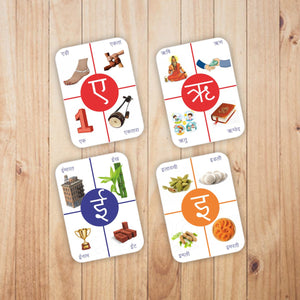
Movable alphabets, both large and small, enable children to construct words even before they can write, fostering early literacy and creative expression. Look for activity kits that include phonetic picture cards, pairing images with their initial Kannada letter sound. These tactile tools transform abstract symbols into concrete, memorable experiences for young minds.
Teaching Kannada Vowels: Step-by-Step Activities
Introducing Kannada vowels (ಸ್ವರಗಳು - Swaragalu) should be systematic and sensory. Begin with the primary five vowels: ಅ (a), ಆ (aa), ಇ (i), ಈ (ee), ಉ (u). Present one or two new vowels at a time, allowing for mastery before moving on.
Step 1: Sensory Introduction with Sandpaper Letters: Invite your child to trace the Kannada sandpaper vowel with their index and middle fingers, from the starting point to the ending point, as you simultaneously pronounce the sound clearly. Repeat this several times, allowing the child to absorb the tactile, visual, and auditory input.
Step 2: Associating Sound with Pictures: Once the child is familiar with the shape and sound, introduce objects or picture cards that start with that vowel sound. For instance, for 'ಅ', show a picture of 'ಅಮ್ಮ' (Amma - Mother), reinforcing the sound in a meaningful context. This helps children connect the abstract letter to concrete reality.
Step 3: Movable Alphabet for Word Building: Provide a set of Kannada movable alphabets and encourage your child to form simple words using the vowels they've learned, alongside familiar consonants. This builds early decoding skills and confidence. This stage transforms passive recognition into active construction, a vital step in language development.
Beyond Vowels: Introducing Kannada Consonants and Words
Once the child is confident with Kannada vowels, introduce consonants (ವ್ಯಂಜನಗಳು - Vyanjanagalu) in a similar multi-sensory manner. Focus on phonetic sounds rather than letter names initially, making decoding simpler. Start with commonly used consonants that combine easily with learned vowels to form simple, familiar words.
Gradually introduce the entire Kannada varnamala, moving from single letters to two-letter phonetic words, then three-letter words, and finally short sentences. Encourage reading short, simple Kannada stories and poems, perhaps those recited by grandparents, connecting language learning with cherished family traditions and cultural narratives.
Creating a Rich Kannada Language Environment at Home
A thriving language environment extends beyond formal lessons; it's woven into daily life. Engage your child in Kannada conversations, sing traditional Kannada rhymes, and tell stories from local folklore. Celebrate festivals by discussing their significance in Kannada, reinforcing cultural ties through language.
Encourage interactions with Kannada-speaking family members, especially grandparents, whose wisdom and stories can enrich a child's linguistic journey. Studies indicate that consistent exposure to a language in diverse, meaningful contexts significantly boosts fluency and comprehension. This holistic immersion makes learning Kannada a vibrant and integral part of their Indian upbringing.
Key Takeaways for Teaching Kannada at Home
- Montessori methods effectively introduce Kannada vowels and alphabets through sensory exploration.
- A prepared home environment with accessible materials supports independent language learning.
- Specific Montessori Kannada materials like sandpaper letters and movable alphabets are essential.
- Teaching Kannada vowels systematically, using multi-sensory steps, ensures strong foundational understanding.
- Integrating Kannada into daily life and cultural practices reinforces language acquisition naturally.
- Consistent exposure and interaction with Kannada speakers significantly boost a child's fluency.
At what age should I start teaching Kannada alphabets to my child?
Children can begin to absorb language concepts as early as 18-24 months through exposure and play. Formal introduction to Kannada alphabets often starts around 3-4 years, aligning with their sensitive period for language development and fine motor skill readiness.
What are the most effective Montessori materials for Kannada language learning?
Montessori sandpaper letters for Kannada, movable alphabets, and phonetic picture cards are highly effective. These materials engage multiple senses, allowing children to see, feel, and hear the sounds and shapes of the Kannada varnamala, promoting deeper understanding.
How can I make teaching Kannada at home fun and engaging for my child?
Incorporate storytelling, singing Kannada rhymes, and using interactive activity kits. Create a 'Kannada corner' with books and language materials, making learning an inviting, self-directed activity rather than a chore. Celebrating festivals with Kannada songs and conversations also reinforces language naturally.
Is it possible to teach Kannada without being fluent myself?
Yes, absolutely. Parents can learn alongside their children, focusing on correct pronunciation and using reliable resources. Exposure to Kannada media, engaging with Kannada-speaking relatives, and utilizing phonetic learning tools can significantly aid the process for both parent and child.
What is the Kannada varnamala and why is it important?
The Kannada varnamala is the complete set of Kannada alphabets, comprising both vowels (swaragalu) and consonants (vyanjanagalu). Mastering the varnamala is crucial as it forms the fundamental building blocks for reading, writing, and understanding the Kannada language, empowering children with essential literacy skills.