Montessori Homeschooling India: Creating Learning Spaces
Creating an enriching learning environment is fundamental for successful Montessori homeschooling India. This approach, deeply rooted in fostering independence and a love for learning, equips Indian families with a powerful framework to support their child's holistic development at home. By thoughtfully preparing your space and integrating specific educational philosophies, you empower your child to explore, discover, and build a strong foundation for lifelong learning within a familiar cultural context.
Many Indian parents are now exploring homeschooling for its flexibility and ability to reduce academic pressure, as highlighted by recent articles in News18 and Mathrubhumi English. Shifting to a home-based education model allows for a personalized journey, but it requires understanding how to cultivate an environment that nurtures intellectual curiosity and practical life skills, just as 'The Better India' noted about homeschooling success stories.
What is Montessori-Inspired Homeschooling?
Montessori-inspired homeschooling is an educational philosophy centered on the child's self-directed activity, hands-on learning, and collaborative play within a carefully prepared environment. This matters because it fosters intrinsic motivation and deep understanding, moving beyond rote memorization prevalent in traditional systems. Indian parents can implement this by observing their child's unique interests and providing appropriate, engaging materials.
Crafting Your Homeschool Environment India: The Prepared Space
A cornerstone of Montessori philosophy is the "prepared environment," which applies beautifully to a home setting, regardless of size. This space is organized, aesthetically pleasing, and designed to invite children to engage with materials independently. For Indian homes, this often means creatively utilizing existing spaces and decluttering to minimize distractions.
Consider dedicating a specific corner or a small room that is solely for learning. Ensure materials are arranged systematically on low shelves, easily accessible to your child, promoting self-reliance from an early age. Studies consistently show that a well-prepared learning environment significantly enhances a child's concentration and independent work habits, allowing them to focus deeply without constant adult intervention.
In a joint family setup, involving grandparents can be a wonderful way to enrich the environment. They can share traditional stories, teach practical skills like cooking Indian delicacies, or even help organize materials, adding a rich layer of intergenerational learning and cultural preservation.
Holistic Education India: Nurturing Mind, Body, and Spirit
Holistic education India goes beyond textbooks, focusing on the development of the whole child—intellectually, emotionally, socially, and physically. Montessori principles naturally align with this, encouraging children to develop not just academic skills but also crucial life skills, grace, and courtesy.
Incorporate daily activities that foster practical life skills, such as helping with household chores, caring for plants, or preparing simple meals. These experiences build confidence and competence, essential traits for any child growing up in India's diverse society. Celebrate Indian festivals like Diwali or Holi by involving children in preparations, crafts, and understanding their cultural significance, making learning an integral part of life.
Cultural Immersion and Community Connections
Montessori homeschooling doesn't mean isolation; it means purposeful engagement with the world around them. Take your child to local markets, museums, or cultural events to provide real-world learning experiences. This immersion helps them connect classroom concepts to practical applications and understand their rich Indian heritage.
Encourage interactions with extended family members, friends, and community groups. Collaborative play, group projects, and even volunteering at local initiatives can foster social skills, empathy, and a sense of belonging. Child development experts agree that diverse social interactions are crucial for a child's emotional intelligence and worldview.
Designing a Flexible Homeschool Curriculum India
One of the greatest advantages of homeschooling is the ability to tailor the curriculum to your child's unique pace and interests. While general frameworks exist, a Montessori-inspired approach emphasizes following the child, allowing their natural curiosity to guide the learning process.
Start by observing your child to identify their sensitive periods—phases where they show an intense interest in specific skills or areas, like language development (18-24 months) or mathematical concepts. Design activities and provide materials that cater to these emergent interests. This approach makes learning engaging and highly effective, as the child is intrinsically motivated.
Balancing Academics with Life Skills and Indian Values
A well-rounded homeschool curriculum design India integrates traditional academic subjects like language, mathematics, and science with practical life skills and cultural education. For example, learning about fractions can involve cutting fruits for a family meal, or understanding geography can start with exploring India's diverse states and their traditions.
Ensure that your curriculum also instills core Indian values such as respect for elders, community service, and environmental consciousness. These values are not separate subjects but are woven into daily life and learning experiences, creating responsible and compassionate individuals. Regularly assess your child's progress through observation and informal assessments, rather than relying solely on standardized tests.
Integrating Educational Toys for Homeschooling Success
Educational toys are not just for play; they are powerful tools for learning, especially in a Montessori context. They are designed to be self-correcting, allowing children to learn from their mistakes independently, fostering problem-solving skills and resilience.
When selecting Montessori materials and activity kits, prioritize those that are made from natural materials, have a clear purpose, and isolate a single concept. For instance, the Pink Tower teaches size differentiation, and sandpaper letters introduce phonetic sounds. These toys are not just entertaining but are scientifically designed to aid specific developmental milestones.
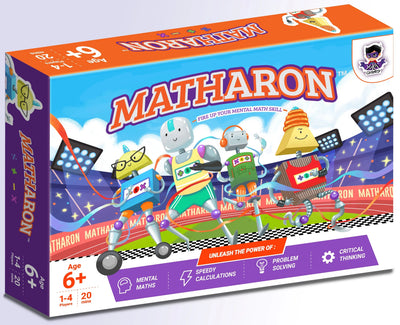
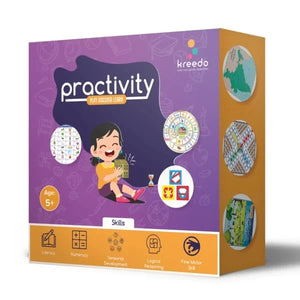
Research shows that hands-on, manipulative learning with high-quality educational toys significantly improves a child's cognitive development, fine motor skills, and concentration. SkilloToys offers a wide range of authentic Montessori-inspired toys that support every stage of your child's learning journey, making it easier to equip your home learning environment with the right tools.
Embracing Montessori-inspired homeschooling in India is a commitment to fostering a child's innate potential and cultivating a lifelong love for learning. By creating a thoughtfully prepared environment, integrating holistic education, designing a flexible curriculum, and using appropriate educational toys, you are empowering your child to become a confident, capable, and culturally aware individual. The journey is enriching, challenging, and ultimately, profoundly rewarding for the entire family.
- Montessori homeschooling in India emphasizes a prepared learning environment that promotes independence.
- The approach supports holistic child development, blending academics with practical life skills and cultural values.
- Designing a flexible curriculum tailored to a child's unique interests and sensitive periods is crucial.
- Educational toys and Montessori materials are vital for hands-on, self-directed learning and skill development.
- Integrating Indian cultural context, festivals, and community interactions enriches the homeschooling experience.
- A well-prepared environment enhances concentration and problem-solving skills, as indicated by child development research.
How can I start Montessori homeschooling in a small Indian home?
Begin by decluttering and designating a specific, inviting area for learning, even if it's a corner of a room. Utilize vertical storage and rotating materials to maximize space and keep the environment fresh and engaging for your child.
What are essential Montessori materials for beginners in India?
Start with practical life materials like pouring sets and dressing frames, sensory materials such as the Pink Tower or Brown Stair, and early literacy tools like sandpaper letters. These foundational items promote independence, concentration, and fundamental skills crucial for young learners.
How do I balance Montessori principles with Indian cultural values?
Integrate Indian cultural elements into your prepared environment, curriculum, and daily routines. This includes storytelling, traditional crafts, celebrating festivals, and involving grandparents in sharing wisdom, enriching the Montessori experience with local context.
Is Montessori homeschooling suitable for children with different learning styles?
Yes, Montessori's hands-on, multi-sensory approach naturally caters to diverse learning styles, including visual, auditory, and kinesthetic learners. The child-led nature allows each individual to explore concepts at their own pace and in their preferred way, fostering deeper understanding.
How can I connect with other Montessori homeschooling families in India?
Seek out online communities, social media groups, and local homeschooling networks specific to India. Participating in meet-ups, workshops, or skill-sharing sessions can provide valuable support, resources, and a sense of community for both parents and children.