Teaching Malayalam at Home: Comprehensive Homeschooling Guide
Achieving comprehensive malayalam language learning homeschooling involves integrating conversational fluency, cultural understanding, and foundational literacy through an immersive home environment. Indian homeschooling families can effectively teach Malayalam by creating daily language exposure, utilizing diverse resources, and celebrating its rich cultural heritage.
Comprehensive Malayalam language learning homeschooling defines an educational approach that extends beyond rote memorization of letters to foster genuine fluency and cultural appreciation. This matters because it equips children with a vital connection to their heritage and enhances cognitive development. Indian parents can implement this by weaving language into daily life and using interactive, age-appropriate materials.
For many Indian families, preserving their mother tongue is a heartfelt mission. Moving beyond the pressure of traditional schooling, homeschooling offers the flexibility to deeply root children in their linguistic heritage. This guide will help you navigate creating an enriching Malayalam learning experience right in your Bengaluru home, ensuring your child not only speaks but truly connects with the language.
Why a Comprehensive Approach to Malayalam Language Learning Homeschooling Matters
A holistic approach to Malayalam education at home transcends simple vocabulary, fostering a deeper bond with one's roots. Research shows that children exposed to multiple languages from an early age often demonstrate enhanced problem-solving skills and cognitive flexibility. This dual benefit of cognitive development and cultural preservation makes comprehensive language learning an invaluable part of the homeschooling journey.
Beyond academic gains, teaching Malayalam at home ensures that children maintain vital connections with their extended families, especially grandparents who might primarily speak Malayalam. Studies indicate that maintaining a strong connection to one's mother tongue significantly contributes to a child's sense of identity and belonging, particularly in a multicultural context like India. This linguistic bridge supports stronger family ties and cultural understanding.
Crafting Your Malayalam Curriculum for Homeschoolers: Beyond Alphabets
Designing a dynamic Malayalam curriculum means moving past just writing and reading alphabets to embrace spoken fluency and cultural context. This structured yet flexible approach is key to keeping children engaged and motivated in their learning journey.
Building Foundational Literacy and Early Immersion
Once the alphabets are mastered, the next step in teaching Malayalam beyond alphabets is to build foundational literacy with simple words and sentences. From 18-24 months, children are naturally primed for language absorption; introduce common nouns using flashcards and real objects. Gradually move to short stories and rhymes, helping children connect sounds with meanings and simple grammar structures.
Embracing Everyday Language and Conversational Fluency
Integrating Malayalam into daily conversations is paramount for fluency. Encourage your child to use Malayalam for everyday requests, describing feelings, and discussing daily routines. Role-playing scenarios, like visiting a market or a family gathering, provide practical contexts for applying vocabulary. Joint families often provide a natural setting for multilingual exposure, with grandparents sharing stories in Malayalam, creating a rich conversational environment.
Integrating Montessori Principles for Holistic Language Acquisition
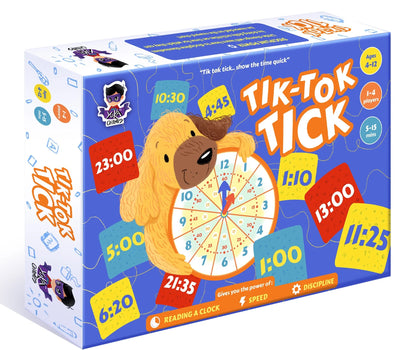
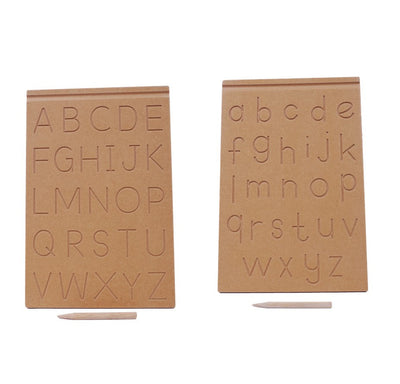
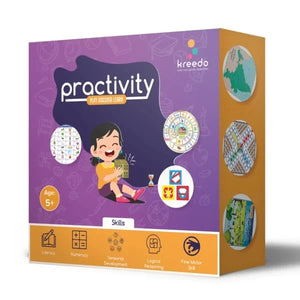
Maria Montessori’s philosophy emphasizes hands-on, self-directed learning, which is ideal for language acquisition. Materials like language object boxes, picture cards, and even practical life activities can naturally introduce Malayalam vocabulary. Child development experts agree that multi-sensory engagement significantly enhances memory and understanding in young learners. Our activityKits offer themed learning experiences perfect for reinforcing vocabulary and concepts in a fun way, making the process joyful and effective. Explore our full range of Montessori method learning materials to support this journey.
Rich Malayalam Resources for Homeschooling Families
Access to a variety of resources is crucial for successful Malayalam language learning homeschooling. Beyond textbooks, consider a diverse palette of learning tools. This includes children's Malayalam storybooks, educational apps tailored for Indian languages, and even Malayalam cartoons or movies that expose children to native speech patterns and cultural nuances.
Don't underestimate the power of your community and family network. Grandparents and other native speakers can be invaluable resources, offering authentic conversational practice and traditional stories. Creating a Malayalam-rich environment by labeling objects around the house in Malayalam and playing Malayalam music can further immerse your child naturally.
Fostering Malayalam Cultural Education at Home
True language mastery involves understanding the culture it embodies. Malayalam cultural education at home can be a vibrant and engaging experience. Celebrate festivals like Onam, Vishu, or local temple festivals with traditional Malayalam songs, specific foods, and customary practices. These experiences provide meaningful contexts for vocabulary and cultural understanding.
Introduce your children to the rich heritage of Kerala through folk tales, classical music, and traditional art forms. Visiting local Malayali associations in Bengaluru or even planning a family trip to Kerala can offer immersive experiences that deepen their appreciation. These connections foster a strong sense of identity and pride in their heritage.
Nurturing Growth: Overcoming Challenges and Celebrating Milestones
Homeschooling a language can present its unique set of challenges, from maintaining consistency to keeping children motivated. Remember that learning is a marathon, not a sprint. Celebrate small victories, like correctly using a new phrase or understanding a story, to build confidence and enthusiasm. Encourage your child’s natural curiosity and allow them to lead their learning in areas that spark their interest.
Consistency, even for short periods daily, is more effective than sporadic long sessions. Creating a supportive and positive learning atmosphere where mistakes are seen as opportunities for growth is essential. This approach ensures that your child develops a lasting love for Malayalam, far beyond any academic pressure.
- Comprehensive Malayalam learning integrates language, culture, and daily life for deep immersion.
- Montessori principles, focusing on hands-on materials, significantly enhance language acquisition.
- Diverse resources, including family, community, and digital tools, are vital for rich learning.
- Cultural education through festivals and traditional stories strengthens a child's identity and connection.
- Early and consistent exposure to Malayalam boosts cognitive skills and cultural ties.
- Celebrating small milestones and fostering a positive environment are crucial for sustained motivation.
Empowering your child with Malayalam at home is a profound gift, connecting them to a rich cultural tapestry and enhancing their cognitive abilities. By embracing a comprehensive approach that weaves language, culture, and joyful learning together, you are not just teaching a language; you are building a lifelong bridge to their heritage. SkilloToys.com is here to support your homeschooling journey with materials that make learning engaging and effective for every Indian family.
How can I make Malayalam learning engaging for my child at home?
Making Malayalam learning engaging involves incorporating play, storytelling, and daily conversations. Use interactive materials, sing traditional songs, and involve children in cultural activities like preparing Malayalam dishes or celebrating festivals.
What are effective resources for teaching Malayalam beyond alphabets?
Effective resources include age-appropriate Malayalam storybooks, educational apps, animated series, and audio stories. Engaging with native speakers, especially grandparents, and utilizing Montessori language materials are also highly beneficial for comprehensive learning.
How important is cultural immersion in Malayalam language learning?
Cultural immersion is critically important as language is deeply intertwined with culture. Integrating festivals, traditional arts, music, and food provides context and meaning, making the language acquisition process more holistic, authentic, and memorable for children.
At what age should I start teaching my child Malayalam at home?
Child development experts agree that children are naturally primed for language absorption from birth, particularly between 0-6 years. Starting early, even with simple exposure through songs and conversations, establishes a strong foundation for future fluency.
Can non-native Malayalam speaking parents effectively teach their child the language?
Yes, non-native Malayalam speaking parents can effectively teach their child the language by committing to learning alongside them. Utilizing language apps, hiring a tutor, creating a Malayalam-rich home environment, and seeking support from native-speaking friends or family members are excellent strategies.