Telugu Letters with Pictures: Montessori Guide for Indian Parents
Teaching telugu letters with pictures at home, especially with Montessori-inspired methods, involves creating a multi-sensory environment where children learn through tactile, visual, and auditory experiences. This systematic approach, leveraging tools like sandpaper letters and visual cards, helps Indian children embrace their mother tongue naturally and joyfully, aligning with the growing trend of homeschooling in India.
Teaching Telugu Letters with Pictures: What You Need to Know
Teaching Telugu letters with pictures involves linking visual representations of objects to their initial Telugu letter sounds. This approach matters because it leverages a child's natural visual learning, making abstract symbols concrete and memorable. Indian parents can foster early literacy by creating an immersive, sensory-rich language environment at home.
Why Montessori Methods Are Ideal for Teaching Telugu to Children
Child development experts agree that a multi-sensory approach is crucial for early language acquisition, making Montessori principles perfectly suited for teaching regional languages like Telugu. Research shows that children learn best through hands-on exploration and self-directed activity, which are cornerstones of the Montessori philosophy. This approach avoids the pressure often found in conventional schools, allowing children to progress at their own pace.
Many Indian families, as highlighted by recent articles in The Times of India and The New Indian Express, are choosing homeschooling for its personalized learning benefits. For these families, a Montessori framework provides the structure and gentle guidance needed to introduce Montessori learning materials like telugu alphabets for kids in an engaging way, respecting the child's individual developmental rhythm and cultural connection.
Essential Montessori-Inspired Materials for Learning Telugu at Home
Effective language learning at home hinges on having the right tools that stimulate multiple senses. For learn telugu at home, consider materials that encourage tactile exploration, visual recognition, and auditory discrimination. These specialized tools transform abstract symbols into tangible experiences, fostering deeper understanding and retention and providing a solid foundation for literacy.
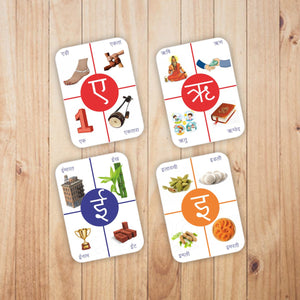
Key materials include Montessori Telugu sandpaper letters, which allow children to trace the letter form while associating it with its sound. Picture cards depicting familiar objects (e.g., 'Amma' for అ, 'Eka' for ఎ) alongside their initial Telugu letters are invaluable for visual learners. SkilloToys offers a range of activity kits that support this multi-sensory learning journey, designed to make regional language acquisition accessible and fun for young learners.
Step-by-Step Guide: Introducing Telugu Letters with Pictures
Introducing montessori telugu letters effectively follows a clear, progressive path, often referred to as the 'Three-Period Lesson' in Montessori education. This method systematically guides the child from recognition to recall and ultimately to application, making learning organic and stress-free. Consistency is key, even short, regular sessions are more impactful than infrequent long ones.
Period 1: Naming (Introduction)
Present a Telugu letter with its corresponding picture (e.g., show 'అ' with a picture of 'Amma'). Clearly pronounce the sound of the letter. Say, "This is అ, as in Amma." Repeat this with 2-3 distinct letters at a time, ensuring the child is focused. This direct association helps children grasp the connection between the symbol and its sound.
Period 2: Recognition (Association)
After introducing a few letters, ask the child to identify them. "Show me అ." "Where is ఎ?" This period reinforces recognition without pressure. The visual cues from the pictures are crucial here, helping children link the abstract letter to a concrete image, solidifying their understanding of telugu letters with pictures.
Period 3: Recall (Production)
This is where the child independently recalls the letter name. Point to a letter and ask, "What is this?" If the child struggles, revert to Period 2. Studies indicate that this multi-period approach, when combined with tactile materials, significantly enhances memory retention and deepens phonetic awareness, preparing them for reading and writing.
Creating a Language-Rich Home Environment for Telugu Varnamala
Beyond structured lessons, a vibrant language environment at home significantly accelerates a child's learning journey, especially for telugu varnamala for kids. This means integrating Telugu into daily life, making it a living, breathing part of their world. Indian homes, often with the loving presence of grandparents, provide a unique opportunity for this cultural immersion.
Engage in daily conversations in Telugu, narrate traditional stories (Panchatantra, moral tales), sing folk songs, and involve children in festival preparations, explaining the Telugu names for items and rituals. Labelling objects around the house with Telugu words and their pictures can also create a constant, passive learning experience. This consistent immersion helps children understand the practical application of the letters they are learning.
Addressing Challenges in Teaching Telugu to Children with Montessori
Parents sometimes worry about maintaining a child's interest or dealing with perceived difficulties in learning a new script. The Montessori approach, focused on individualized learning and respect for the child, provides elegant solutions for teaching telugu to children effectively. Challenges are simply opportunities for adaptation, fostering resilience and a love for learning.
If a child loses interest, simplify the activity or introduce a new material. If they struggle with a particular letter, go back to a more concrete, sensory experience, perhaps tracing the sandpaper letter again. Maria Montessori emphasized following the child's lead; their engagement is the best indicator of readiness and effectiveness. Celebrating small victories, like recognizing a new letter or sounding out a simple word, builds confidence and encourages continued learning.
- Montessori methods effectively leverage visual and tactile learning for teaching Telugu letters.
- Using 'telugu letters with pictures' strengthens associations, aiding memory and comprehension for young learners.
- The Montessori 'Three-Period Lesson' offers a systematic, pressure-free way to introduce Telugu alphabets.
- A language-rich home environment, including daily conversations and cultural activities, is crucial for sustained learning.
- Early exposure to mother tongue through engaging methods significantly boosts cognitive development.
- SkilloToys provides Montessori-aligned materials specifically designed to support regional language learning in India.
At what age should I start teaching Telugu letters to my child?
Child development experts recommend introducing language concepts, including Telugu letters, as early as 18-24 months through sensory play and phonetic awareness. Formal letter introduction can begin around 2.5 to 3 years, aligning with a child's natural sensitive period for language.
What are the best Montessori materials for teaching Telugu varnamala?
Montessori sandpaper letters for Telugu, picture cards associating objects with sounds, and the movable alphabet are ideal. These materials provide tactile, visual, and auditory experiences crucial for holistic language acquisition, allowing children to manipulate and internalize letter forms.
How can I make learning Telugu letters fun and engaging at home?
Integrate learning into daily activities, tell stories, sing songs, and play games using Telugu words and letters. Creating a language-rich environment where exploration is encouraged, and mistakes are seen as learning opportunities, keeps children motivated and joyful.
Is it possible to teach Telugu to my child if I'm not fluent myself?
Absolutely. You can learn alongside your child, leveraging resources like SkilloToys' Montessori materials, online tutorials, and storybooks. The key is consistent exposure and creating a positive, curious attitude towards the language, involving family members who are fluent can also be very helpful.
How does using 'telugu letters with pictures' help a child learn faster?
Using telugu letters with pictures creates strong visual associations, which is fundamental to how young children learn. This approach anchors the abstract letter form to a concrete, recognizable image, significantly aiding memory and comprehension, and is a core Montessori principle for early literacy.