Telugu Letters with Pictures: Montessori Homeschool Guide
Mastering telugu letters with pictures is a highly effective way for Indian homeschoolers to build foundational literacy in their mother tongue, offering a sensory-rich and engaging learning experience. This Montessori-inspired approach connects visual cues with letter forms, making the abstract script tangible and accessible for young minds.
The rise of homeschooling across India, as highlighted by recent reports from The New Indian Express and Times of India, signifies a growing desire among parents to tailor education to their child’s unique needs and cultural heritage. Teaching regional languages like Telugu at home offers an unparalleled opportunity to deepen cultural roots while providing a personalized learning journey.
What is Montessori Telugu Learning?
Montessori Telugu Learning is a child-centred approach to teaching the Telugu alphabet and script, employing tactile, sensory, and self-directed materials developed from Dr. Maria Montessori's educational philosophy. This matters because it caters to a child's innate drive for exploration and discovery, fostering independence and a deep understanding rather than rote memorisation. Indian parents can empower their children by providing specially designed materials that allow them to learn at their own pace.
Why Teach Telugu at Home? The Homeschool Advantage in India
Teaching Telugu at home leverages the inherent strengths of the homeschooling model in India, where families often seek to embed cultural values and regional identity directly into their child's education. Research shows that early exposure to regional languages significantly enhances cognitive development and strengthens family bonds, especially within joint family structures where grandparents often speak the mother tongue.
Homeschooling provides the flexibility to integrate Telugu learning naturally into daily routines, far from the pressures of conventional schooling. This approach respects the child's individual learning rhythm and curiosity, ensuring that language acquisition is a joyous journey rather than a burdensome task. Parents can weave Telugu stories, songs, and conversations into everyday life, making it a living language within the home.
The Montessori Way: Engaging Telugu Alphabet for Kids
The Montessori method offers a proven framework for introducing the telugu alphabet for kids, focusing on sensory exploration and hands-on engagement. Dr. Maria Montessori observed that children between 2.5 and 6 years old are in a sensitive period for language, demonstrating an extraordinary capacity to absorb linguistic information from their environment.
Studies indicate that children learn best when they can manipulate and interact with learning materials. For Telugu, this means moving beyond passive observation to active engagement. Montessori classrooms worldwide utilize materials that isolate concepts, allowing children to focus on one aspect of learning at a time, making complex tasks like deciphering a new script approachable and exciting.
Step-by-Step: Introducing Telugu Letters with Pictures
Introducing Telugu letters effectively involves a structured, yet flexible, approach that builds on a child's natural curiosity. Begin by introducing phonetic sounds before letter names, using the 'three-period lesson' technique. This involves associating the sound with the letter (e.g., pointing to 'అ' and saying its sound), asking the child to identify the letter ('Show me 'అ''), and finally asking the child to recall the letter's sound ('What is this?').
Integrate Montessori materials such as Telugu sandpaper letters, where children trace the letter with their finger, feeling its shape and internalising its form. Follow this with matching activities using picture cards that start with the corresponding Telugu letter sound. For instance, pairing the letter 'అ' with a picture of 'అమ్మ' (amma - mother) creates a powerful visual and auditory link.
Gradually introduce movable alphabet sets, allowing children to construct words phonetically before they can write, solidifying their understanding of telugu letters with pictures in a tangible way. This hands-on method empowers children to explore language independently, building confidence in their Telugu literacy skills.
Essential Telugu Educational Toys for Home Learning
Equipping your homeschooling environment with the right telugu educational toys is crucial for fostering an engaging learning experience. SkilloToys.com offers a curated selection of materials specifically designed to support Montessori Telugu learning at home.
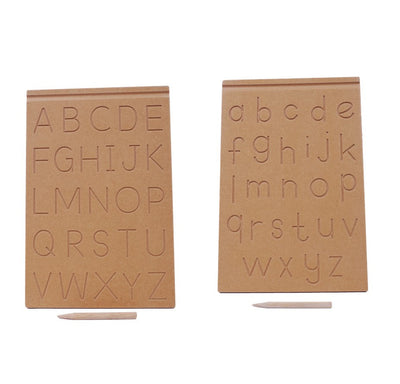
Consider investing in beautifully crafted Telugu alphabet puzzles that encourage fine motor skills and letter recognition. Activity Kits that focus on Telugu sounds and letter formation provide a comprehensive approach, combining tracing, matching, and early word building exercises. These tools are not just toys; they are carefully designed learning instruments that make the journey of learning Telugu script enjoyable and effective.
Creating a Telugu-Rich Environment for Your Child
Beyond structured learning with educational toys, immersing your child in a Telugu-rich environment is paramount. Encourage conversations in Telugu, read Telugu storybooks, and watch children's programs in the language. Celebrating Telugu festivals like Ugadi and Sankranti provides authentic contexts for language use, connecting words to cultural experiences.
Grandparents and extended family members can be invaluable resources, sharing traditional stories and songs, further strengthening the child's connection to the language and heritage. This holistic approach ensures that Telugu learning is not confined to lesson time but becomes a vibrant, integral part of family life.
Overcoming Challenges: Making Learning Telugu Script Joyful
The journey to learn telugu script at home can present unique challenges, but with patience and a positive mindset, these can be easily overcome. Children learn at different paces, and some may require more repetition or varied approaches than others. Remember, the Montessori philosophy advocates for following the child's lead and respecting their individual developmental timetable.
If a child shows resistance, switch to a different activity or take a break. Focus on making learning playful and curiosity-driven. Celebrate small milestones, like recognizing a few letters or attempting to sound out a simple word. Child development experts agree that positive reinforcement and a stress-free environment are key to fostering a lifelong love for learning, especially for regional languages like Telugu that connect children to their roots.
What is the best age to introduce Telugu letters to children?
Child development experts agree that the sensitive period for language acquisition begins around 18 months and extends to six years. Introducing Telugu letters during this window, often starting with sounds and then symbols around age 2.5-3, leverages a child's natural curiosity and capacity for learning.
How can Montessori methods help teach Telugu script?
Montessori methods emphasize hands-on, sensory-rich experiences that are ideal for learning Telugu script. Materials like sandpaper letters allow children to trace and feel the script, engaging tactile and visual senses simultaneously, which strengthens memory and understanding.
Are there specific Telugu educational toys for early learners?
Yes, specific Telugu educational toys designed for early learners include alphabet puzzles, picture flashcards, and tracing boards. These materials from SkilloToys.com help children connect the visual form of Telugu letters with their sounds and corresponding pictures, fostering foundational literacy skills.
How do I make learning Telugu at home fun for my child?
Making learning Telugu at home fun involves integrating it into daily life through stories, songs, and games. Creating a language-rich environment, celebrating Telugu festivals, and using interactive educational toys transform learning from a chore into an engaging adventure for your child.
What are the benefits of learning Telugu letters with pictures?
Learning Telugu letters with pictures creates strong visual associations, which significantly aids comprehension and recall for young children. This method helps children link abstract symbols to concrete objects, making the learning process more intuitive and memorable, especially in a homeschooling setup.
Key Takeaways
- Early introduction to telugu letters with pictures during the sensitive period (18 months - 6 years) significantly boosts language acquisition.
- Montessori methods, with their emphasis on hands-on, sensory materials, are highly effective for teaching the Telugu alphabet to children.
- Homeschooling in India provides a unique advantage for integrating regional language learning, fostering cultural identity and stronger family bonds.
- Utilising specialized telugu educational toys like alphabet puzzles and activity kits enhances engagement and makes learning enjoyable.
- Creating a Telugu-rich home environment through stories, songs, and cultural celebrations strengthens a child's linguistic immersion.
- Patience and positive reinforcement are crucial in overcoming learning challenges and cultivating a lifelong love for the Telugu script.