Why Indian Parents Are Saying No to Traditional Schools
In recent times, a significant shift is sweeping across the nation, as more and more Indian parents are saying no to traditional schools. This growing sentiment, highlighted in national news from The Times of India to NDTV, stems from concerns over academic pressure, rigid curricula, and the lack of individualized attention in conventional systems. Parents are actively seeking alternatives that prioritize a child's holistic development and innate curiosity.
Montessori homeschooling emerges as a compelling solution, offering a child-centric approach that respects each learner's unique pace and interests. It focuses on hands-on learning, fostering independence and a lifelong love for discovery, aligning perfectly with the evolving educational aspirations of Indian families.
What is Montessori Homeschooling in India?
Montessori homeschooling is an educational philosophy applied within the home environment, centered on the child's natural desire to learn and explore independently. This method respects the child as an individual, allowing them to choose activities from a prepared environment. This matters because it cultivates self-discipline, concentration, and a genuine love for learning from an early age. Indian parents can adapt this approach by integrating specially designed educational toys and activities that align with their child's developmental stages.
Problems with Traditional Schooling India: A Growing Concern
The traditional Indian schooling system, while aiming for academic excellence, is increasingly under scrutiny for its emphasis on rote learning and competitive examinations. News reports, such as those from NDTV, frequently question the value of paying ‘lakhs’ for an education that often leads to stress and disengagement rather than genuine understanding. A recent survey highlighted in The Times of India indicated that over 60% of Indian parents express dissatisfaction with the pressure cooker environment in conventional schools.
This system often overlooks a child's individual learning style and pace, forcing them into a one-size-fits-all curriculum. The sheer size of classrooms means limited personal interaction with teachers, and the focus on textbooks frequently sidelines practical life skills vital for independent, well-rounded individuals. For many Indian families, the emotional well-being of their children has become a higher priority than securing top ranks at the cost of childhood joy.
Montessori Solutions for Education Gaps: A Child-Led Approach
Montessori education directly addresses these educational gaps by offering a powerful alternative. Developed by Dr. Maria Montessori, this method champions child-led learning within a meticulously prepared environment, empowering children to choose their work and progress at their own speed. Research consistently shows that children in Montessori environments exhibit higher levels of self-discipline, creativity, and problem-solving skills compared to those in conventional settings.
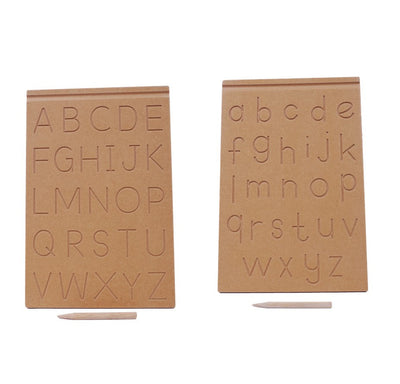
The core principle is respect for the child, fostering independence and intrinsic motivation. Instead of memorization, children engage in hands-on exploration using specialized Montessori learning materials that make abstract concepts tangible. For instance, the Pink Tower teaches dimension and order, while Sandpaper Letters introduce phonics through tactile experience, laying a strong foundation for future learning without pressure.
Educational Toys for Holistic Development: Beyond Textbooks
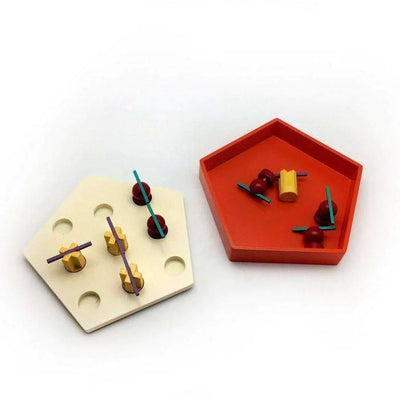
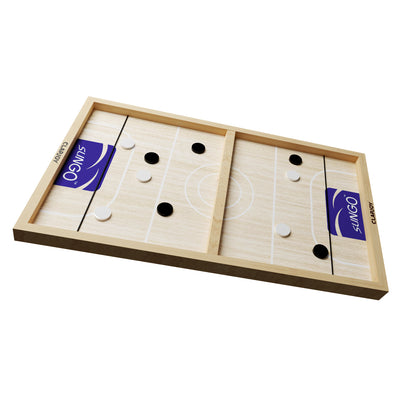
In Montessori homeschooling, “toys” are truly tools for development. These activityKits and materials are designed to engage multiple senses, encouraging children aged 18-24 months and beyond to discover concepts independently. Child development experts agree that hands-on learning fosters deeper understanding and retention than passive instruction. For instance, dressing frames teach practical life skills, crucial for building independence in young Indian children, preparing them for daily tasks within a joint family setting.
These specialized educational toys support cognitive, social, emotional, and physical development simultaneously. They allow children to learn through discovery, building confidence and fostering a genuine love for learning that extends beyond academic subjects. This holistic approach ensures children are not just memorizing facts, but truly understanding the world around them.
Alternatives to Conventional Schools India: Embracing Homeschooling
The rise of homeschooling in India, as noted by The Core, signifies a broader cultural shift — a realization that “one size fits all” education is no longer sufficient. Indian families are actively exploring alternatives to conventional schools, seeking greater control over their children's learning journey and environments. Homeschooling offers the flexibility to tailor education to a child’s unique needs and cultural context, allowing for integration of Indian values, festivals, and family time.
This allows parents to create a learning environment free from excessive competition, focusing instead on personal growth and genuine curiosity. Grandparents and other family members can also play a vital role, sharing stories, traditions, and practical wisdom, enriching the homeschooling experience with invaluable intergenerational learning. It's a return to community-driven education, but with modern resources.
Kids Learning Toys for Homeschooling: Integrating SkilloToys Resources
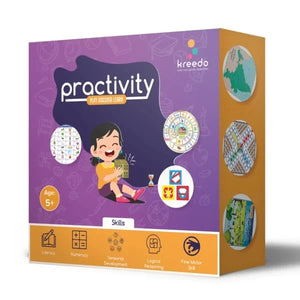
Integrating high-quality kids learning toys is paramount for successful Montessori homeschooling. SkilloToys.com, India's leading Montessori educational toys store, provides a curated selection of materials that support every developmental stage. These include sensorial materials that refine senses, practical life exercises that build independence, and language materials that foster literacy.
By providing children with purposeful tools, parents empower them to explore concepts like mathematics, science, and language through hands-on engagement. This approach not only makes learning enjoyable but also equips children with critical thinking and problem-solving skills — assets far more valuable than rote memorization. SkilloToys offers the resources Indian parents need to create an enriching, child-led learning environment at home.
What are the primary reasons Indian parents are rejecting traditional schools?
Indian parents are rejecting traditional schools primarily due to the intense academic pressure, rote learning methods, lack of individual attention, and an overly competitive environment. They seek educational models that prioritize holistic child development over mere exam scores.
How does Montessori homeschooling address the problems of conventional education?
Montessori homeschooling addresses these problems by offering a child-led, individualized learning approach that fosters independence, critical thinking, and a love for learning. It uses specially designed materials to cater to each child's pace and interests, reducing pressure and promoting deep understanding.
Are Montessori educational toys essential for homeschooling in India?
Yes, Montessori educational toys are considered essential for effective homeschooling as they are designed to be self-correcting and hands-on, supporting various developmental stages. These materials, like those from SkilloToys, help children grasp complex concepts concretely, promoting focus and problem-solving skills.
Can homeschooling in India provide a strong social environment for children?
Yes, homeschooling in India can provide a strong social environment through community groups, co-ops, sports activities, and family interactions. Many homeschooling families actively seek out social opportunities, ensuring children develop crucial social skills in diverse, real-world settings.
What kind of support is available for Indian families considering Montessori homeschooling?
Indian families considering Montessori homeschooling can find support through online forums, local homeschooling groups, certified Montessori educators, and resources like SkilloToys. These networks offer guidance on curriculum, materials, and community building, empowering parents on their homeschooling journey.
- Indian parents are increasingly dissatisfied with the academic pressure and rote learning prevalent in traditional schools, leading to a search for alternatives.
- Montessori homeschooling provides a comprehensive solution by prioritizing child-led learning, individualized attention, and holistic development.
- The Montessori method, established by Dr. Maria Montessori, empowers children with self-discipline, critical thinking, and a lifelong love for learning.
- Specially designed Montessori educational toys are crucial for hands-on learning, making abstract concepts tangible and fostering independence.
- Homeschooling in India allows families to integrate cultural values, traditions, and family support into the educational process, enriching the child's learning experience.
- Reputable sources like SkilloToys.com offer high-quality Montessori materials, supporting Indian parents in creating effective and engaging home learning environments.