Why Indian Parents Choose Homeschooling: Benefits & Reasons
In India, a growing number of families are asking why Indian parents choose homeschooling, embracing it as a transformative educational path for their children. This decision often stems from a deep desire for a more personalized, flexible, and values-aligned learning environment that addresses the unique challenges and opportunities within the Indian educational landscape.
Homeschooling is a parent-led education model where children learn at home or in various community settings, rather than attending a traditional school. This matters because it grants families significant autonomy over their child's learning journey, curriculum, and daily schedule. Indian parents can tailor education to their child’s specific needs and cultural values.
Addressing Core Concerns: Why Indian Parents Choose Homeschooling
Research consistently shows that parents are seeking alternatives to traditional schooling that better align with their family's values and children's well-being. The reasons why Indian parents choose homeschooling are multifaceted, reflecting a thoughtful and often courageous shift in educational philosophy.
Reduced Academic Pressure & Stress
One of the most significant reasons for homeschooling India is the overwhelming academic pressure in conventional schools. The relentless focus on competitive exams, rote memorization, and high-stakes board results can lead to immense stress, anxiety, and burnout in children. Homeschooling allows families to step away from this rat race.
By opting for homeschooling, parents can prioritize understanding over grades, fostering a genuine love for learning without the constant fear of failure. This approach supports mental well-being, allowing children to learn at their own pace and explore subjects deeply, rather than rushing through a rigid curriculum. Studies indicate that a reduced-stress learning environment improves retention and long-term academic success.
Tailored & Personalized Learning Experience
The ability to customize education is a primary benefit of homeschooling India. Every child is unique, with distinct learning styles, interests, and developmental paces. Traditional classrooms, with their one-size-fits-all approach, often struggle to cater to these individual differences.
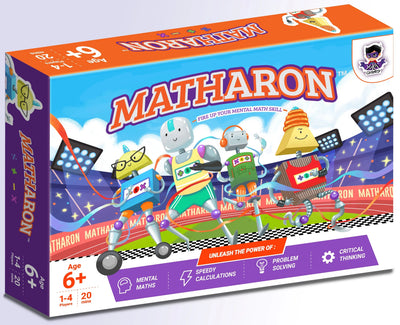
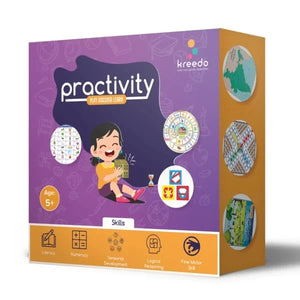
Homeschooling empowers parents to design a curriculum that truly resonates with their child, nurturing their natural curiosity and talents. For instance, a child fascinated by Indian history can spend extended periods exploring ancient texts, visiting historical sites, and engaging with relevant activity kits, rather than just reading a textbook chapter. Child development experts agree that personalized learning fosters deeper engagement and greater academic achievement.
Control Over Curriculum & Values
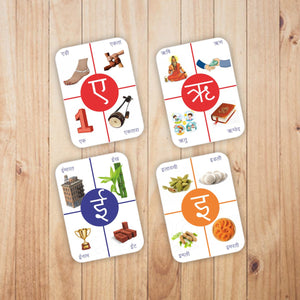
For many Indian families, maintaining cultural values, teaching regional languages, and instilling moral education are paramount. Homeschooling offers unparalleled control over education India, enabling parents to integrate their family's heritage and beliefs directly into their child's learning. This ensures a holistic education that encompasses not just academics, but also character development and cultural rootedness.
Parents can choose textbooks, resources, and learning experiences that align with their ethical and philosophical frameworks. This flexibility also extends to celebrating festivals, participating in family rituals, and spending quality time with grandparents, making learning a truly integrated family affair.
Fostering Holistic Development Beyond Textbooks
Beyond academics, homeschooling provides ample opportunities for holistic development, which is a key homeschooling advantage India offers. Children can develop crucial life skills like cooking, gardening, managing household chores, and even entrepreneurial thinking. Practical, real-world learning experiences replace theoretical concepts, making education relevant and engaging.
This approach nurtures creativity, critical thinking, problem-solving, and emotional intelligence. Children have more time for sports, arts, music, and community service, building a well-rounded personality that is prepared for life's challenges, not just examinations.
Flexibility & Lifestyle Integration
The flexibility offered by homeschooling is a significant draw, especially for families with unique circumstances. Whether it's managing health conditions, accommodating a parent's transferable job, pursuing specific talents (like sports or music at an advanced level), or simply desiring more family travel, homeschooling adapts to the family's lifestyle.
This adaptability is particularly appealing in India, where joint family structures often mean more responsibilities and opportunities for intergenerational learning. Homeschooling allows families to align their educational schedule with their life, ensuring that learning is an organic, joyful process rather than a rigid obligation.
The Montessori Advantage in Homeschooling India
Many Indian parents who choose homeschooling find the Montessori method to be a perfect complement to their educational philosophy. Dr. Maria Montessori's principles of self-directed learning, hands-on exploration, and a prepared environment align seamlessly with the goals of personalized, child-centric homeschooling. This method encourages children to learn at their own pace, fostering independence and a deep understanding of concepts through practical engagement.
For instance, using Montessori learning materials such as sandpaper letters for language development or the bead frames for mathematics allows children to grasp abstract concepts concretely. SkilloToys.com offers a range of authentic Montessori materials that can transform your home into a dynamic learning space. This approach is particularly effective for children in age ranges like 18-24 months for practical life skills, or 3-6 years for sensorial exploration, providing a structured yet flexible framework for learning.
- Indian parents choose homeschooling primarily for personalized learning and reduced academic stress.
- Homeschooling allows families to integrate cultural values and regional languages into the curriculum.
- The flexibility of homeschooling supports unique family lifestyles, health needs, and talent development.
- Montessori principles align perfectly with homeschooling by promoting child-led, hands-on learning.
- Research indicates that tailored educational environments foster superior holistic development and well-being.
- Homeschooling empowers parents with control over their child's educational content and pace.
Choosing to homeschool is a profound decision, driven by a desire to provide the best possible education and upbringing for children in India. It offers a powerful alternative that emphasizes individual needs, holistic development, and a strong connection to family values. By embracing this path, Indian parents are not just educating their children; they are nurturing independent, thoughtful, and well-rounded individuals ready for the future.
Is homeschooling legal in India?
Yes, homeschooling is absolutely legal in India. While specific regulations vary by state, the Right to Education Act 2009 implicitly allows for homeschooling, affirming a child's right to education which can be fulfilled outside traditional schooling.
How does homeschooling reduce exam pressure for Indian children?
Homeschooling significantly reduces exam pressure by allowing parents to tailor the curriculum to a child's pace, eliminating the constant cycle of competitive exams and rote learning. This approach prioritizes understanding and intrinsic motivation over high-stakes testing, fostering a love for learning.
Can homeschooled children socialise effectively in India?
Yes, homeschooled children in India socialise effectively through various avenues like community groups, sports clubs, cultural events, and family gatherings. Parents actively create opportunities for interaction, ensuring rich social experiences that often surpass the confined interactions of a traditional classroom.
What are the academic benefits of homeschooling in an Indian context?
Academic benefits include highly personalized instruction, the ability to delve deeper into subjects of interest, and flexible scheduling for complex topics. This leads to a strong foundational understanding and the development of critical thinking skills, rather than just memorization for tests.
How can Montessori principles be applied in Indian homeschooling?
Montessori principles are ideal for Indian homeschooling by fostering independence, a love for learning, and respect for the child's individual pace. Parents can create a prepared environment with child-sized furniture and age-appropriate materials like the Pink Tower, encouraging self-directed exploration and discovery.