How Toys for Autistic Children Foster Inclusivity: A Guide
Montessori educational toys foster inclusivity for autistic children by providing a structured, self-paced, and multi-sensory learning environment that profoundly supports their unique developmental needs, building confidence and social readiness. This approach reduces sensory overload while promoting concentration and practical life skills, crucial for engaging with others in a calm and prepared manner, making them highly effective for Indian parents seeking meaningful inclusive play solutions. The recent Livemint article "How toys for autistic children can foster inclusivity" highlights the critical role of play, and Montessori offers a proven path.
For parents of autistic children in India, navigating the path to inclusion can feel overwhelming. From school pressures to family gatherings, ensuring your child feels seen, understood, and connected is a deeply personal journey. This guide delves into how Montessori's unique approach to play and learning can be a powerful tool in fostering true inclusivity, right in your own home and community.
Montessori educational toys are meticulously designed learning materials, rooted in Dr. Maria Montessori's philosophy, which champion hands-on, self-directed exploration within a prepared environment. This method is vital for autistic children as it inherently caters to their need for predictability, order, and concrete learning, allowing Indian parents to cultivate a supportive home where their child can develop independence and social-emotional readiness at their own pace.
The Montessori Advantage for Autistic Children's Development
The inherent design principles of Montessori materials offer significant benefits for autistic children, creating a foundation for learning and social engagement. Research indicates that structured, predictable environments significantly reduce anxiety in autistic children, enhancing their capacity for learning and social engagement.
Structured & Predictable Learning Environments
Autistic children often thrive on routine and clear expectations. Montessori materials, like the Pink Tower or Brown Stair, have a specific purpose and a clear 'beginning, middle, and end' to each activity. This predictability minimizes anxiety and allows children to focus their energy on learning the task itself, rather than trying to decipher unstructured play scenarios. This systematic approach is especially beneficial in busy Indian homes, offering a consistent anchor amidst potential chaos.
Enhancing Sensory Integration and Regulation
Many autistic children experience sensory sensitivities, making some environments overwhelming. Montessori materials are often made from natural elements like wood and fabric, offering a rich yet controlled sensory experience – the cool smoothness of a wooden block, the rough texture of sandpaper letters. This focused sensory input, as opposed to overwhelming stimulation, helps children regulate their senses, which is crucial for overall well-being and ability to participate in social interactions. This targeted engagement promotes calm concentration.
Developing Focus, Concentration, and Task Completion
The self-correcting nature of many Montessori toys means children can work independently, discover errors, and correct them without adult intervention. This process builds intense concentration and persistence. For instance, a child working on a geometric inset learns precision, fostering a deep engagement with the task. This self-mastery is foundational, helping children build the focus needed to engage in sustained interactions with peers or adults, an invaluable skill.
Practical Life Skills for Greater Independence
Montessori's Practical Life activities – pouring, scooping, dressing frames – directly teach skills for daily living. These tasks build independence and self-reliance, which are profoundly empowering for autistic children. When a young child in a joint family can button their own shirt before a family outing or pour water without spillage, their confidence soars. This self-efficacy is a vital step towards feeling comfortable and capable in various social settings, from school to festive gatherings.
Inclusive Play Strategies for Autism with Montessori Toys
While often associated with individual work, Montessori's true genius for autistic children lies in how it prepares them for confident, joyful interaction. Child development experts agree that a strong sense of self and capability often precedes comfortable social interaction, making this approach key to genuine inclusivity.
Building Foundational Skills for Confident Social Interaction
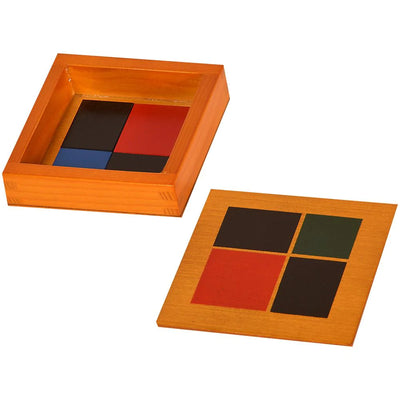
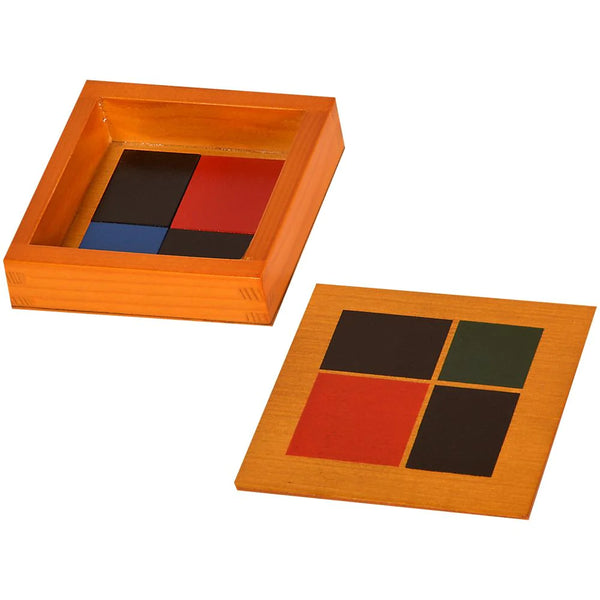
The individual work a child does with Montessori method learning materials might seem solitary, but it's a critical step towards genuine inclusivity. When a child has mastered a task, like arranging the binomial cube, they gain profound self-assurance. This internal confidence makes them more likely to approach group play, share their achievements, or observe others without anxiety. It's about preparedness, not forced interaction.
Creating Shared Experiences and Peer Understanding
While much Montessori work is individual, the environment is inherently social. Children observe each other, learn from others' work, and sometimes collaborate. A 4-year-old in Chennai might initially play alone with the Cylinder Blocks, but seeing an older child use them can spark curiosity and a desire to interact. Gradually, shared space and observation lead to parallel play, then cooperative play, fostering peer understanding and acceptance among children.
Integrating Montessori in Indian Homes: Family & Festivals
Indian family dynamics, with joint families and frequent festive gatherings, can be stimulating for autistic children. Montessori toys offer structured engagement amidst the beautiful chaos. A child working quietly with puzzle maps during a Diwali celebration allows them to be present with the family, but on their own terms, reducing overwhelm. Grandparents, who often play a significant role, can be guided to introduce these educational toys in a calm, focused manner, creating a bridge of understanding and interaction.
Choosing Effective Educational Toys for Autistic Children
Selecting the right educational toys is crucial. Focus on materials that cater to specific developmental needs while aligning with Montessori principles of purposeful, self-correcting engagement.
Focus on Sensory Exploration and Fine Motor Development
Look for toys that engage senses purposefully without overstimulating. Wooden sorting trays, shape puzzles, or stacking blocks provide tactile and visual feedback. For instance, fine motor skills toys like threading beads or using a lacing toy can be incredibly calming and build crucial hand-eye coordination. These activities offer a predictable outcome, satisfying the child's need for order and accomplishment and enhancing dexterity.
Encouraging Language and Cognitive Skills
Montessori materials like Sandpaper Letters or object boxes are excellent for linking concrete objects with abstract concepts and language. For a child in Bengaluru learning English alongside their mother tongue, matching animal figurines to their sounds or pictures can be a powerful learning tool. These "educational toys" provide a concrete foundation for developing communication skills, which are vital for social engagement and understanding.
Empowering Indian Parents and Educators with Inclusive Play Strategies
Implementing effective inclusive play strategies for autism requires more than just toys; it demands understanding, patience, and a supportive environment, both at home and within educational settings.
A Parent's Role: Observation and Prepared Environment
Maria Montessori emphasized the importance of observing the child to understand their interests and needs. As a parent, you are your child's first and most important guide. Creating a "prepared environment" at home – a designated, accessible space with carefully chosen Montessori materials – allows your child freedom within limits. This shows deep respect for their learning journey and encourages self-directed discovery, reducing the need for constant adult direction.
Collaborating for True Inclusivity
True inclusivity extends beyond the home. Share your observations and strategies with therapists, school teachers, and even extended family. When everyone understands the benefits of structured, purposeful play, especially with Montessori toys, it creates a consistent and supportive ecosystem around the child. The Tamil Nadu government's focus on toy manufacturing, as reported by The New Indian Express, holds promise for greater availability of such high-quality educational resources across India, making them more accessible to all.
- Montessori educational toys create structured, predictable environments vital for autistic children.
- These materials aid sensory integration by offering controlled, purposeful sensory input.
- Self-correcting Montessori activities build focus, concentration, and independence.
- Individual skill mastery through Montessori empowers autistic children for confident social interactions.
- Indian families can use Montessori to provide calm engagement during busy cultural events.
- Observing your child and preparing a dedicated play space are crucial for successful Montessori integration.
What makes Montessori toys different for autistic children?
Montessori toys offer a unique blend of structure, predictability, and multi-sensory engagement that directly addresses common autistic traits. Their self-correcting nature and clear purpose reduce anxiety, allowing children to focus on learning and developing self-regulation skills, which is often challenging with open-ended or overstimulating toys.
Are Montessori toys suitable for all ages of autistic children?
Yes, Montessori toys are designed for a wide range of developmental stages, from toddlers (18-24 months) engaging with sensory bins and knobbed puzzles to older children working with complex math materials. The key is to select materials that match your child's current developmental level and interests, ensuring they are challenged but not overwhelmed, regardless of their chronological age.
How can I introduce Montessori toys in a busy Indian joint family setting?
Introduce Montessori toys in a calm, designated 'work' area, even a small corner, ensuring consistency. Involve grandparents by explaining the toy's purpose and encouraging them to observe the child's engagement. Start with simple activities during quieter times, demonstrating respect for the child's focus amidst family activities, rather than forcing participation in group play.
Do Montessori toys help with communication skills for autistic children?
Yes, many Montessori materials indirectly and directly support communication. Activities like matching objects, naming colors, or working with Sandpaper Letters provide concrete anchors for language development. As children gain confidence through mastering tasks, they often become more willing to initiate communication and express themselves, fostering crucial social language skills.
Where can Indian parents find high-quality Montessori educational toys?
SkilloToys.com offers a curated selection of authentic Montessori educational toys, designed to meet developmental needs. When choosing, prioritize durable, natural materials and ensure the toy's purpose is clear and aligns with Montessori principles. Locally manufactured options, inspired by initiatives like Tamil Nadu's push to become a toy-making hub, are also becoming more accessible.