Toys for Autistic Children: Montessori's Inclusive Path
Montessori educational toys for autistic children foster inclusivity by providing a structured, predictable environment that supports sensory regulation, builds communication skills, and cultivates independence. This approach helps children with autism in India integrate into social settings by empowering them to engage confidently and on their own terms, making play a bridge to connection. For parents navigating the unique needs of their child, understanding this framework offers a powerful pathway to a more inclusive and joyful childhood.
In India, where family bonds run deep and the desire for every child to thrive is paramount, the concept of inclusive play is gaining crucial recognition. As highlighted by articles like the one in Livemint, focusing on 'how toys for autistic children can foster inclusivity' is a vital conversation. Many Indian parents often grapple with finding resources that truly resonate with their child's specific developmental journey, seeking more than just academic progress but genuine engagement and belonging.
What is Inclusive Play for Autistic Children in India?
Inclusive play for autistic children is about creating environments and interactions where every child, regardless of their developmental profile, can participate meaningfully and feel valued. This isn't just about sharing a space; it's about tailoring activities to individual strengths and challenges, ensuring a sense of belonging and agency. For Indian families, it means integrating these strategies within the warmth of joint families, during festivals, and amidst the daily rhythm of life, rather than isolating the child.
This approach matters immensely because it shifts the focus from 'fixing' the child to adapting the environment, allowing autistic children to engage authentically. Indian parents can implement inclusive play by selecting appropriate educational tools and fostering understanding within their immediate and extended family circles, making home the first true space of acceptance.
Montessori's Core Principles for Autistic Learners
Child development experts widely agree that predictability and structure are foundational for many autistic children to feel secure and learn effectively. Dr. Maria Montessori's philosophy, developed over a century ago, inherently offers these elements through its core principles.
The Prepared Environment: A Haven of Predictability
A Montessori 'prepared environment' is meticulously organized, with materials arranged logically and purposefully. For an autistic child, this order provides a calming sense of predictability, reducing anxiety often associated with unstructured settings. Research consistently shows that predictable routines and environments significantly improve focus and reduce challenging behaviors in children with autism, allowing them to engage more deeply with their learning.
Consider a 4-year-old in Chennai, Aarya, who struggles with transitions. In her Montessori-inspired corner at home, each Montessori learning material has its designated spot. This visual order helps her anticipate and complete tasks independently, building confidence that spills over into other aspects of her day.
Auto-Education and Multi-Sensory Learning
Montessori materials are designed for auto-education, meaning children can discover concepts through hands-on exploration and self-correction. The built-in 'control of error' allows children to identify and correct mistakes independently, fostering a sense of accomplishment without external judgment. This multi-sensory approach, engaging touch, sight, and sometimes sound, is particularly beneficial for autistic learners who often process information best through multiple channels.
Sensory Regulation & Focus with Montessori Toys
Many autistic children experience sensory sensitivities, which can manifest as over- or under-responsiveness to stimuli. Montessori toys for autistic children are exceptional tools for sensory regulation because they offer controlled, purposeful sensory input.
For example, the graded weights of the Knobbed Cylinders or the distinct textures of the fabric box provide focused tactile and visual discrimination tasks. These activities help children process sensory information in a calming, organized way, enhancing their ability to concentrate. Studies indicate that structured sensory play can significantly improve attention span and reduce repetitive behaviors in autistic children by providing regulated input.
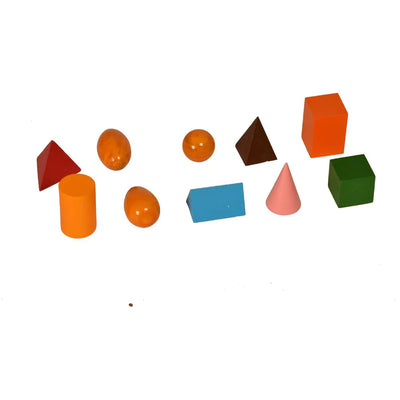
Imagine Rohan, a 3-year-old in Bengaluru, who often seeks intense pressure. Working with the geometric solids, feeling their weight and distinct shapes, provides him with the proprioceptive input he craves in a constructive manner, allowing him to calm and focus for longer periods.
Fostering Communication & Social Skills
While Montessori activities often appear individual, they inherently lay the groundwork for developing communication and social skills, crucial for 'fostering inclusivity autism'. The shared focus on a material, the act of observing another child, and the natural turn-taking involved in preparing or cleaning up a workspace subtly introduce social dynamics.
For example, a child working with sandpaper letters might initially explore them alone. However, a parent or an older sibling joining to ask, "Can you show me the 'M' sound?" or "Let's trace 'A' together," introduces a low-pressure opportunity for interaction. This form of 'play strategies for autistic children' moves from parallel play to shared engagement, building comfort with social interaction on the child's terms. Indian grandparents, with their patient presence, can be wonderful facilitators in these gentle interactions, fostering connections without demanding direct eye contact or intense verbal exchange.
Cultivating Independence & Self-Advocacy
A core tenet of Montessori is "help me do it myself." This focus on independence is profoundly empowering for autistic children. Practical life activities – such as pouring water, buttoning frames, or scrubbing a table – teach essential self-care and functional skills. Mastering these tasks builds immense self-confidence, reduces reliance on others, and provides a sense of control over their environment.
This independence directly contributes to 'educational toys for autistic children' promoting inclusivity. A child who can dress themselves, prepare a simple snack, or manage their materials feels more capable and is better equipped to participate in group activities, whether at home during a family meal or in a school setting. This reduces anxiety and fosters a sense of belonging, rather than feeling constantly guided or corrected.
Implementing Inclusive Play Strategies at Home in India
Creating an inclusive Montessori environment within an Indian home doesn't require a dedicated Montessori classroom. It requires thoughtful adaptation and observation.
- Designate a Space: Even a small corner in a living room can become your child's 'prepared environment'. Ensure it's tidy, accessible, and free from overwhelming distractions.
- Rotate Materials: Keep a few engaging, developmentally appropriate Montessori toys for autistic children out at a time, rotating them every few weeks to maintain interest and prevent overstimulation.
- Involve the Family: Encourage siblings and grandparents to observe and gently interact. A dadi patiently demonstrating how to sort grains or a brother showing how to build with blocks creates natural, supportive learning opportunities, enriching 'inclusive play autism India'.
- Follow the Child: Maria Montessori's mantra is key. Observe your child's interests, their moments of deep concentration, and their struggles. This guides your selection of materials and your approach to interaction. If a child is fascinated by a particular texture, offer variations. If they avoid certain sounds, respect that boundary.
Addressing Common Concerns for Indian Parents
Many Indian parents worry about the balance between academic pressure and developmental play, or the ubiquitous presence of screens. Prioritizing hands-on, multi-sensory Montessori play offers a powerful counter-narrative.
When a parent WhatsApps at 11 pm about their toddler's speech delay, the answer often lies not in more flashcards, but in rich, sensory-motor experiences. The American Academy of Pediatrics recommends at least 60 minutes of unstructured play daily for young children. Montessori-inspired play provides this structure *within* freedom, nurturing foundational skills crucial for later academics and social success, rather than rushing through milestones.
- Montessori offers predictable, multi-sensory learning, crucial for many autistic children's development.
- The 'prepared environment' reduces overwhelm, fostering focus and self-directed exploration.
- Montessori materials naturally support sensory regulation, fine motor skills, and concentration.
- Structured play with Montessori toys aids in developing communication and social interaction skills.
- Independence cultivated through practical life activities builds self-confidence and reduces anxiety.
- Integrating Montessori principles at home helps create an inclusive, supportive space for autistic children in India.
How do Montessori toys specifically help with sensory sensitivities in autistic children?
Montessori toys are intentionally designed to engage multiple senses in a controlled manner, offering predictable and consistent sensory input. For instance, materials like the sound boxes or cylinder blocks provide distinct tactile, visual, and auditory feedback, helping children regulate their sensory experiences without overwhelm. This predictability helps desensitize or sensitize as needed, fostering a calm and focused engagement.
Can Montessori educational toys improve social interaction for autistic children in an Indian family setting?
Yes, Montessori educational toys can significantly improve social interaction. While often perceived as individual activities, they lay the groundwork for shared focus and parallel play. In an Indian joint family, siblings and grandparents can join in activities like sorting beads or building a tower, naturally encouraging turn-taking, observation, and communication around a shared, engaging task, fostering 'inclusive play autism India'.
At what age should I introduce Montessori toys to an autistic child?
Montessori principles and materials can be introduced from early toddlerhood, typically 18-24 months, adapting to the child's developmental stage rather than chronological age. Starting early with simple sensorial and practical life activities, such as transferring beans or working with large puzzles, can establish a foundation of order and independence beneficial for many autistic children.
Are Montessori toys suitable for non-verbal autistic children to foster communication?
Absolutely. Montessori toys are excellent for fostering non-verbal communication and laying foundations for verbal language. Materials like sandpaper letters and geometric insets provide concrete, multi-sensory experiences that connect abstract concepts to tangible forms. This can support expressive communication through pointing, matching, and demonstrating, which are crucial steps towards developing speech and language skills.
How can I create an inclusive Montessori environment at home, especially in smaller Indian urban apartments?
Creating an inclusive Montessori environment in a smaller Indian home focuses on intentionality over space. Dedicate a specific, clutter-free corner or shelf for select materials, rotating them to maintain interest and prevent overstimulation. Emphasize order and accessibility, ensuring toys are within reach and easily returned. Involving the child in maintaining this space, even with simple tasks like putting away a mat, reinforces a sense of ownership and responsibility.
Montessori educational toys offer more than just play; they provide a blueprint for a more inclusive world for autistic children in India. By understanding and implementing these principles, parents can empower their children with the skills, confidence, and self-regulation needed to connect with the world around them.
Tonight, observe your child during their play — notice what captivates them, what calms them, and what frustrates them. This observation is your most powerful tool in selecting the right materials and creating an environment where their unique brilliance can truly shine.