DIY Potato Stamp Game: Montessori Math Fun for Kids
In bustling Indian homes, finding engaging activities for our little ones, especially those exploring Montessori, can be a delightful quest. What if the secret to rich learning was in your kitchen pantry? Today, we're diving into a wonderful, budget-friendly activity: how to create a DIY stamp game using potatoes and paint for children. This simple craft brings powerful mathematical concepts right into your living room, making abstract ideas tangible and fun for young minds.
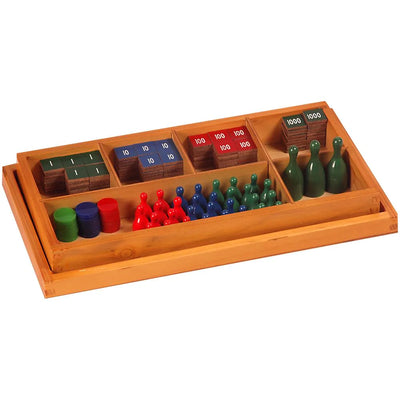
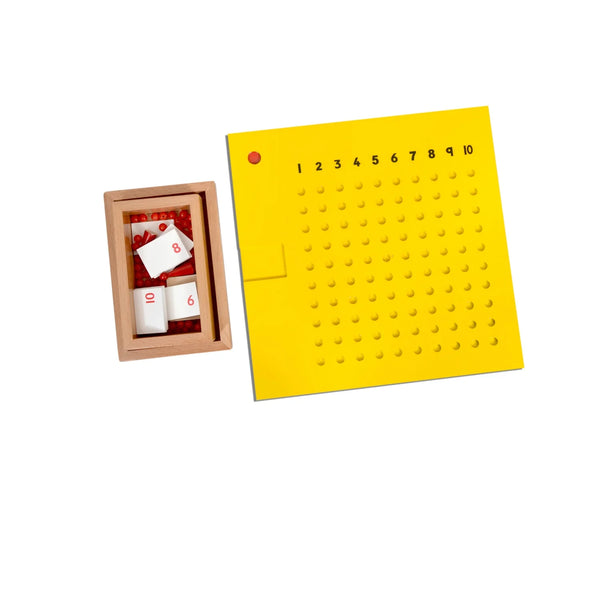
The Montessori Stamp Game is traditionally a hands-on mathematical material that helps children aged 3-6 years understand place value and perform arithmetic. It uses small tiles (stamps) representing units, tens, hundreds, and thousands. This works because it makes abstract mathematical concepts tangible and concrete, allowing children to manipulate quantities physically before moving to written work. Parents can introduce foundational number sense through this tactile experience, laying a strong groundwork for future mathematical understanding, an essential part of Montessori learning activities.
Making Your Montessori Potato Stamps: A Step-by-Step Guide
Gathering Your Supplies from Around the Home
The beauty of this DIY project lies in its simplicity and reliance on common household items. You'll need a few medium-sized potatoes, child-safe, non-toxic washable paints in different colours, a small sharp knife (for adult use only!), paper or cardstock for stamping, and perhaps small brushes. Remember, safety first: an adult must handle carving, and paints must be suitable for young children.
Carving the "Stamps" for Mathematical Magic
For the Montessori Stamp Game, we need symbols for units, tens, hundreds, and thousands. Maria Montessori's genius made abstract concepts concrete. Carve simple shapes into your potato halves: a small circle for units (1), a square for tens (10), a triangle for hundreds (100), and a larger circle or star for thousands (1000). Ensure shapes are distinct and easy for little hands to grip. Letting them dry for an hour or two can help absorb paint better, much like preparing any specialized activity kits.
Playing with Your DIY Potato Stamp Game: Early Math Fun
Introducing Place Value through Play
Once your potato stamps are ready, set up a 'math mat' on a large sheet of paper. Label columns for Units, Tens, Hundreds, and Thousands, mimicking traditional Montessori materials. This helps children visualise place value. For young toddlers (2-3 years), simply stamping and naming numbers aids recognition and sequencing. For preschoolers, write a number like '234' and ask them to stamp it out: two hundreds, three tens, and four units. This physical representation is key to understanding digit value, an important aspect of early Montessori method learning materials.
Simple Addition and Subtraction Activities
For children aged 4-6 years, this DIY stamp game becomes a fantastic tool for arithmetic. Write a simple addition problem, e.g., 12 + 21. Your child stamps '1 ten' and '2 units' for the first number, then '2 tens' and '1 unit' for the second, grouping them. They count total stamps in each column for the answer. For subtraction, they stamp the larger number and physically 'take away' or cover the subtrahend. This tangible representation solidifies understanding of quantities and operations, a wonderful alternative to formal Montessori Mathematics materials initially.
Creative Extensions for Holistic Child Development India
Beyond math, these potato stamps offer endless possibilities for activity kits. Use them to create intricate patterns, design colourful greeting cards for Diwali, or tell imaginative stories. This encourages creativity, develops fine motor skills through gripping and pressing, and improves hand-eye coordination – all crucial aspects of holistic child development India. Grandparents can also join in, sharing creative stamping ideas, making it a truly intergenerational activity.
Why This DIY Montessori Activity is Perfect for Indian Homes
Affordable and Accessible Educational Toys for Toddlers
In Indian households, where resourcefulness is celebrated, using everyday potatoes transforms a simple vegetable into valuable educational toys for toddlers. It's a fantastic example of 'Montessori at home India' without expensive specialized equipment. This approach allows more families, even those in smaller apartments or joint families, to bring profound Montessori principles into their daily routine. Learning opportunities are all around us, often hidden in plain sight.
Fostering Independence and Concentration
Activities like making and using potato stamps empower children. From choosing paint colours to carefully pressing stamps, they learn to follow multi-step instructions, develop fine motor skills, and concentrate on the task. This fosters independence and self-discipline, core tenets of the Montessori philosophy championed by Dr. Maria Montessori. Observing a child engrossed in stamping out numbers is a testament to self-directed, engaging learning.
Embracing DIY activities like this potato stamp game is a beautiful, accessible way to bring the magic of Montessori into your home. It's about creating meaningful, hands-on learning experiences with what you have, nurturing curiosity and a love for discovery. For a wider range of high-quality, authentic Montessori educational toys that complement your DIY efforts, explore the curated collection at SkilloToys.com – your trusted partner in nurturing young minds in India.