Why Montessori Classrooms Have No Desks in Rows
When you first step into a Montessori classroom, one of the most striking differences you'll notice is the absence of traditional desks arranged in neat, unchanging rows. Instead, you'll see open spaces, small tables, floor mats, and children moving freely, deeply engaged with various materials. This isn't an arbitrary design choice; it's a foundational element of Dr. Maria Montessori's philosophy, rooted in a profound understanding of how children truly learn and develop.
So, what exactly is a Montessori classroom, and why is its layout so distinct? A Montessori classroom is often referred to as a "prepared environment." This means every element, from the child-sized furniture to the carefully selected learning materials, is intentionally designed to support a child's natural development, independence, and innate drive to learn. The environment is responsive to the child's needs, rather than expecting the child to conform to a rigid structure.
Freedom of Movement: Essential for Learning and Growth
Dr. Maria Montessori observed that movement is not separate from learning; it is integral to it. Children, especially those aged 0–6 years, learn through doing, touching, and exploring. Confining them to a desk for long periods goes against their natural inclination to move, which can hinder concentration and physical development. In a Montessori setting, children are free to choose an activity, carry the material to a table or floor mat, work with it, and return it to its place, fostering deep engagement.
This freedom of movement allows for greater exploration and sensory input, crucial for developing neural pathways. Think of how a child in an Indian home, watching their grandmother prepare chapati, might mimic the actions with play dough. This hands-on, active learning is precisely what the open Montessori space encourages. Explore a wide range of materials that promote this active learning at SkilloToys.com/collections/montessori-method-learning-materials-toys.
Fostering Independence and Self-Direction
The absence of desks in rows directly supports a child's burgeoning independence. When children can choose their "work" from accessible shelves and move freely, they develop a sense of agency and responsibility. This self-direction is key to Montessori learning activities and helps build an internal locus of control, vital for later academic and life success.
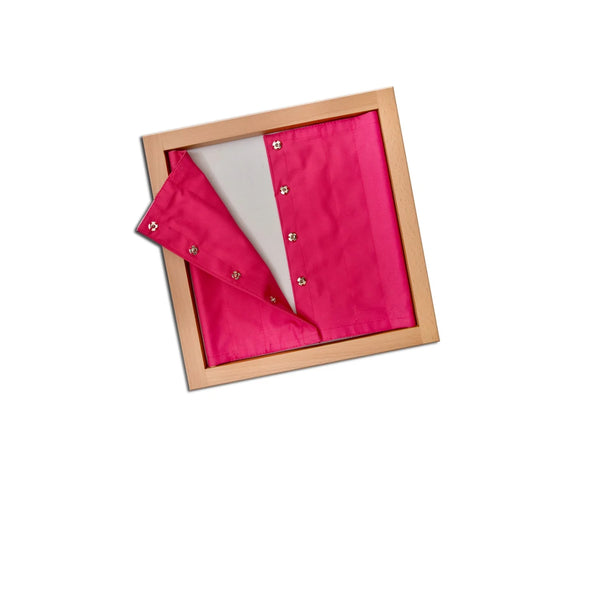
Consider the process of selecting a practical life material like pouring beads or buttoning a frame. The child decides when to engage, how long to work, and when they are finished. This autonomy, so different from a teacher-led, desk-bound lesson, nurtures concentration and a genuine love for learning, a critical aspect of child development in India and globally.
Collaboration and Social Development Without Constraints
Desks in rows inherently promote individual work and discourage spontaneous interaction. Montessori classrooms, without these barriers, naturally foster collaboration and social skills. Children might choose to work alone, or they might observe a peer, or even invite a friend to work on a large material together.
This organic interaction teaches respect, turn-taking, and problem-solving in a real-world context. It reflects how children in joint families often learn social cues and responsibilities by observing and interacting with multiple family members, rather than being isolated. The environment becomes a microcosm for social learning, supporting children aged 3–6 years in their journey.
The Prepared Environment: A "Silent Teacher"
Instead of a teacher at the front dictating instructions, the Montessori classroom itself acts as a "silent teacher." Each material is carefully designed to be self-correcting, allowing children to discover their own mistakes and learn from them without adult intervention. This empowers them and builds resilience, making these ideal educational toys for toddlers and preschoolers.
For example, when a child works with the Pink Tower, they visually discern if the blocks are not in descending order, correcting themselves. This immediate feedback loop, facilitated by the carefully arranged materials, negates the need for a teacher to constantly intervene, which would be difficult if children were confined to desks and unable to easily access and manipulate these learning tools.
Bringing Montessori Principles Home: Montessori at Home India
For Indian parents exploring "Montessori at home India," the classroom layout offers valuable insights. You don't need to remove all furniture, but consider creating a "yes" space for your child. A dedicated corner in your small apartment, perhaps with low, accessible shelves for Montessori method learning materials and a small mat or child-sized table, can work wonders.
Allow your child the freedom to move, choose activities, and clean up afterwards. Involve them in practical life activities like sweeping with a child-sized broom or washing vegetables. These simple adaptations, incorporating local materials where possible, can significantly boost their independence and concentration, mirroring the classroom's intent.
The next time you see a Montessori classroom without desks in rows, remember it's a deliberate design to honour your child's natural capabilities for movement, choice, and deep, self-directed learning. This philosophy helps children blossom into confident, capable individuals, prepared for the world ahead. At SkilloToys.com, we are committed to providing educational toys that support these foundational principles for your child's holistic development.