Activity in Marathi: Boost Kids' Motor Skills Playfully
Finding engaging activity in Marathi for kids is a fantastic way to blend cultural immersion with crucial physical development. SkilloToys understands that Indian parents seek culturally relevant, play-based learning that boosts motor skills, preparing children not just for school but for life.
Research shows that strong motor skills are foundational for cognitive development and academic readiness, aligning perfectly with India's 'padhai pivot' to enhance early childhood education. Providing these experiences at home ensures our children are equipped for the future.
Motor Skills: Defining Their Role in Indian Child Development
Motor skills are the abilities that allow us to move our bodies and manipulate objects effectively. This matters profoundly because they underpin a child's independence, self-care abilities, and capacity for learning. Indian parents can proactively support this by integrating purposeful play into daily routines.
Child development experts agree that the early years are critical for honing these skills, impacting everything from writing and drawing to dressing themselves. Prioritizing play-based learning ensures a holistic foundation for every child, deserving equal footing with nutrition in their developmental journey.
Marathi Activities for Kids: Enhancing Fine Motor Skills Playfully
Fine motor skills involve the coordination of small muscles, especially in the hands and fingers, crucial for tasks like writing and using tools. Engaging in these activities with Marathi instructions and themes makes learning enjoyable and culturally rich. For instance, 'दाणे वेचणे' (picking up grains like rice or dal) helps develop pincer grasp and concentration, often seen in Indian homes as children help their grandparents.
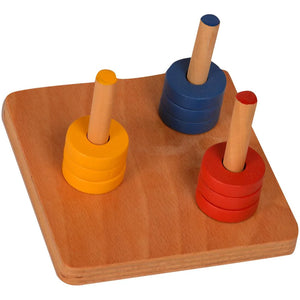
Activities like 'मोत्यांची माळ बनवणे' (bead threading) or creating traditional 'रांगोळी' patterns with chalk or powder significantly refine hand-eye coordination. Even simple 'चिकटकाम' (sticking activities) using coloured paper or natural materials like leaves strengthens finger muscles. SkilloToys offers a range of fine motor skill toys that complement these homemade Marathi activities, fostering precision and dexterity.
Motor Skill Activities Marathi: Boosting Gross Motor Skills Through Active Play
Gross motor skills involve larger muscle movements and are essential for mobility, balance, and physical strength. Encouraging 'खेळ' (play) that uses Marathi commands can make these activities even more immersive. Think of traditional games like 'लंगडी' (hopscotch), 'पकडापकडी' (tag), or 'शर्यत' (races) in the backyard or a safe community space.
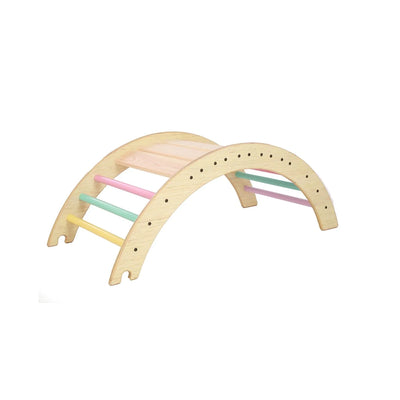
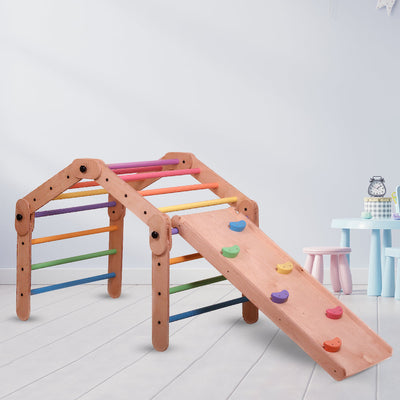
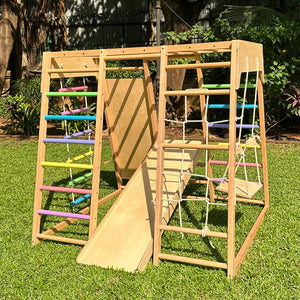
Simple activities like 'गोळाफेक' (ball toss) or 'झ��डावर चढणे' (climbing a safe, low tree under supervision) build core strength and spatial awareness. These active play sessions are vital for releasing energy and developing coordination, preparing children for structured sports and daily physical tasks. Explore our collection of gross motor skill toys designed to encourage active and joyful movement.
Educational Activities Marathi: Blending Language with Learning
Integrating Marathi language into educational activities further enriches a child's development, providing a strong cultural and academic foundation. For instance, using Marathi flashcards for 'अक्षर ओळख' (letter recognition) and asking children to trace the letters in sand or on a slate ('पाटी') builds pre-writing skills while reinforcing the language.
Creating 'शब्द जुळवाजुळव' (word matching) games with everyday Marathi words or enacting simple stories ('गोष्टींचे अभिनय') with Marathi dialogues enhances both cognitive and motor skills. Montessori principles, such as using sandpaper letters for tactile learning, can be beautifully adapted for Marathi alphabets, offering a multi-sensory approach to literacy and fine motor control. Many of our Montessori educational toys can be seamlessly integrated into these language-rich play sessions.
The Grandparent Advantage: Family Role in Play-Based Learning Marathi
In many Indian joint families, grandparents play a pivotal role in a child's upbringing, offering a wealth of traditional knowledge and time. They are invaluable partners in fostering motor skill development through traditional Marathi games and activities. Sharing stories, teaching rhymes ('बडबडगीते'), and engaging children in household chores like sorting vegetables ('भाजीपाला निवडणे') naturally encourage both language acquisition and motor skill refinement.
This intergenerational play reinforces cultural values while providing crucial developmental stimulation. Studies indicate that children who engage in diverse play-based learning experiences with family members show improved social-emotional skills alongside enhanced motor abilities, contributing significantly to closing the school-readiness gap for a Viksit Bharat 2047.
- Engaging in 'activity in Marathi' significantly boosts both fine and gross motor skills in children.
- Play-based learning is a foundational component of holistic child development and school readiness.
- Integrating traditional Marathi games and household activities enhances cultural connection and motor dexterity.
- Fine motor activities like 'दाणे वेचणे' and gross motor activities like 'लंगडी' are highly beneficial.
- SkilloToys offers Montessori-inspired educational toys that complement and enhance these culturally relevant activities.
- Family involvement, especially from grandparents, plays a crucial role in enriching a child's early developmental experiences.
Why are motor skills crucial for a child's overall development?
Motor skills are foundational for independence, academic success, and social interaction. Strong motor skills allow children to perform daily tasks, engage in classroom activities like writing, and participate confidently in sports and play, significantly contributing to their self-esteem and school readiness.
What is the difference between fine and gross motor skills?
Fine motor skills involve the coordination of small muscles, typically in the hands and fingers, essential for tasks like writing, buttoning, or picking up small objects. Gross motor skills involve larger muscle groups for activities such as walking, running, jumping, and balancing, crucial for mobility and physical play.
How can I incorporate Marathi language learning into motor skill activities?
You can integrate Marathi language learning by encouraging children to trace Marathi letters in sand or on paper, match Marathi word cards, or act out stories using Marathi phrases. Engaging with Marathi educational toys that feature numbers or alphabets also supports this integrated learning approach.
Are traditional Indian games beneficial for motor skill development?
Yes, traditional Indian games like Langdi, Kho-Kho, or even simple indoor activities like making rangoli patterns are incredibly beneficial. These games naturally engage children in running, jumping, balancing, and fine manipulation, developing both gross and fine motor skills in a culturally relevant and enjoyable way.
At what age should I start focusing on my child's motor skill development?
Focus on motor skill development should begin from infancy, as early experiences profoundly impact brain development. Simple activities like tummy time for infants and gradually introducing age-appropriate play that encourages grasping, crawling, walking, and manipulation are vital throughout the early years.