Homeschooling Curriculum India: Montessori Motor Skills Guide
For Indian parents seeking an effective homeschooling curriculum India, integrating motor skill development is not just an add-on, but a foundational pillar of the Montessori philosophy. Research consistently shows that purposeful movement underpins cognitive development, concentration, and independence in children, making its intentional inclusion at home crucial for holistic growth.
Motor skill development in a homeschooling context is the intentional cultivation of both fine and gross motor abilities through a child's daily activities and a prepared home environment. This matters because strong motor skills are directly linked to academic readiness, self-care independence, and emotional regulation. Indian parents can foster this by integrating Montessori principles into their daily routines, making learning through movement a natural part of home life.
Why Motor Skills Matter in Your Montessori Homeschooling India
When considering a montessori homeschooling India approach, it's essential to understand that physical development is not separate from intellectual growth. As Maria Montessori famously stated, "The hands are the instruments of man's intelligence." This means children learn best by doing, touching, and moving. Child development experts, including the American Academy of Pediatrics, highlight that sufficient gross motor activity in early childhood is crucial for brain development and academic readiness.
For parents in India, often grappling with the rising costs of external activities — as highlighted by news regarding spending “₹1 lakh on preschool activities” — a Montessori-inspired home curriculum offers an effective, economical alternative. By integrating motor skills into daily life, you're not just saving money, but also providing a rich, meaningful learning experience that fosters concentration and a love for practical engagement, preparing children for academic challenges later on.
Designing Your Homeschool Physical Development Environment
A key aspect of Montessori education is the "prepared environment," and this is especially vital for homeschool physical development. This doesn't mean transforming your entire home, especially in smaller urban flats or joint family settings. Instead, it involves thoughtfully arranging spaces and materials to invite movement and exploration.
Consider low, accessible shelves where educational toys and materials are neatly displayed. Designate a "work mat" or a small area where your child can spread out without disruption. For gross motor activities, utilize a balcony, terrace, or a nearby community park. Ensuring materials are child-sized — a small broom, a light jug, or miniature kitchen tools — encourages genuine participation and builds competence.
Everyday Montessori Activities at Home India for Fine Motor Skills
Fine motor skills involve the coordination of small muscles, especially in the hands and fingers. In an Indian home, opportunities abound for natural practice. Think beyond structured lessons and look at daily life:
- Lentil Sorting: Have your child help sort different types of dal (lentils) — masoor, moong, chana — from a mixed bowl. This is a fantastic exercise in pincer grasp and concentration.
- Chapati Making: Involve your child in rolling dough (atta) or even just patting it. The familiar rhythmic motion and sensory input are invaluable.
- Bead Stringing: Whether it's for making a simple garland for a festival or just playing, stringing large beads onto a thick thread is excellent for hand-eye coordination. Explore our collection of fine motor skill toys for specially designed materials.
- Water Pouring: Provide two small pitchers and a tray for pouring water from one to the other. This practical life activity refines control and builds confidence.
Gross Motor Skill Development in Indian Homeschooling
Gross motor skills involve the larger muscle groups and are crucial for balance, coordination, and strength. Integrating these into your motor skills homeschooling program is surprisingly simple:
- Household Helpers: Let your child help sweep the floor with a child-sized broom, carry lightweight baskets of laundry (perhaps to their dadi's room), or water plants. These purposeful movements build core strength and coordination.
- Outdoor Play: Regular visits to a local park — climbing slides, swinging, running — are irreplaceable. Even in an apartment, a safe terrace or balcony can be a space for simple yoga poses, animal walks (bear crawls, crab walks), or kicking a soft ball.
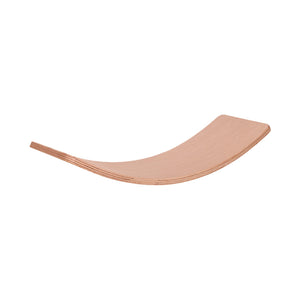
- Balance Activities: Walking on a line taped to the floor (like a rangoli pattern) or using a simple balance board can significantly improve equilibrium. Discover more dynamic options with our gross motor skill toys.
Studies indicate that children engaged in practical life activities demonstrate enhanced problem-solving skills and longer attention spans by age four, compared to peers with less exposure. This holistic development prepares them for more complex learning.
Choosing Educational Toys for Homeschooling in India
When selecting educational toys for homeschooling, especially with a Montessori lens, prioritize quality, purpose, and natural materials. Look for toys that encourage independent exploration and provide opportunities for repetition and mastery. Simple, open-ended toys often offer more developmental benefits than elaborate electronic ones.
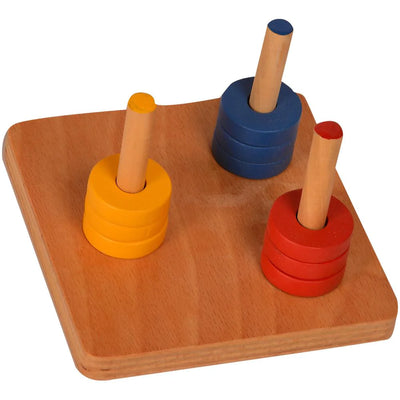
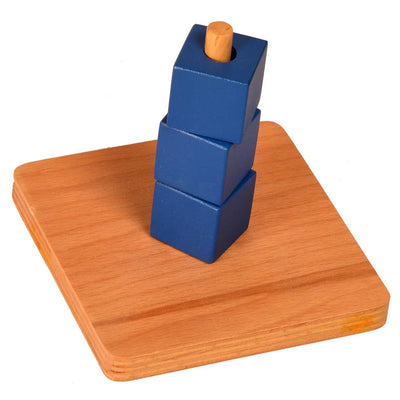
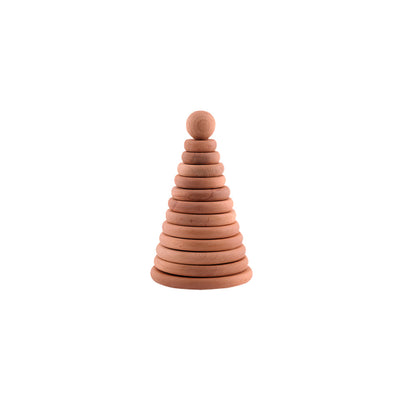
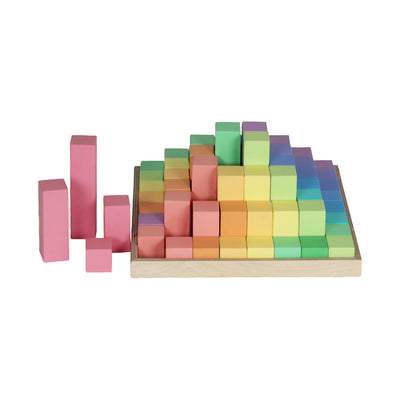
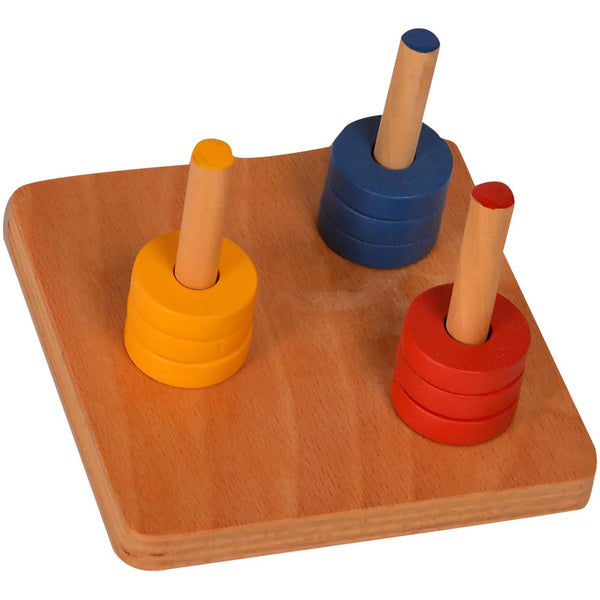
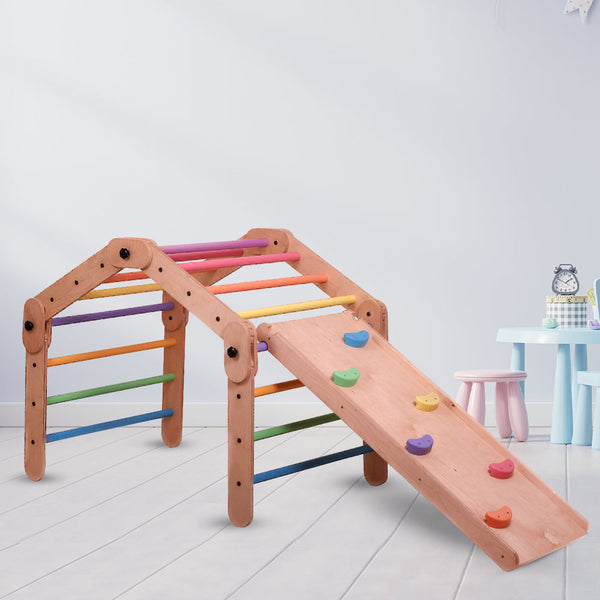
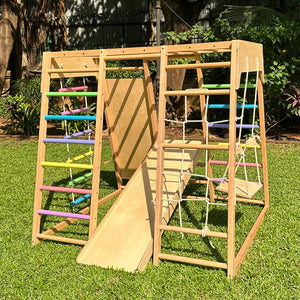
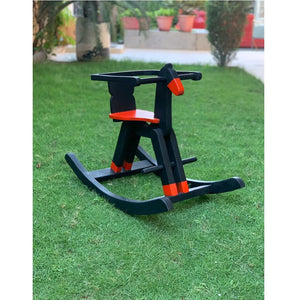
For example, stacking blocks, wooden puzzles, bead stringing sets, and sorting games are excellent for fine motor development. For gross motor skills, consider items like pushcarts, pull toys, or even simple climbing structures if space permits. These tools are not just for play; they are carefully designed learning materials. Explore our full range of Montessori learning materials and toys that support comprehensive development.
Observing Milestones: Your Child's Unique Pace
A fundamental principle of Montessori education is observation. When integrating motor skill development into your montessori activities at home India, pay close attention to your child's interests, efforts, and progress. Every child develops at their own pace, and while milestones serve as general guides (e.g., most children can cut with scissors by 3-4 years), your child's unique journey is paramount.
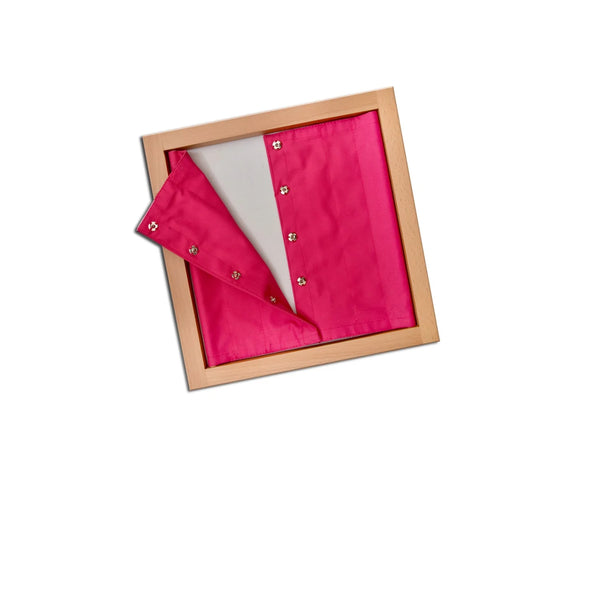
If your child is showing a strong interest in climbing, provide safe opportunities. If they are struggling with buttoning, simplify the task or offer larger buttons. The goal is to present challenges that are just right — not too easy to be boring, and not too difficult to be frustrating. Your role is to guide and prepare the environment, allowing your child to discover their capabilities through self-directed activity.
By thoughtfully weaving motor skill development into the fabric of your Indian homeschooling journey, you're building a strong foundation for a well-rounded, independent, and joyful learner.