Board Games for Kids: Boost Motor Skills & Fun
Board games for kids significantly enhance fine motor skills, cognitive development, and social interaction, making them invaluable educational tools for Indian children. Research consistently shows that engaging in structured play, like board games, improves hand-eye coordination and dexterity from an early age, which is crucial for school readiness. This makes them a perfect addition to any Indian household seeking holistic development.
In today's fast-paced world, where screen time often dominates, the tactile and interactive nature of board games offers a refreshing alternative. As parents across India, from Bengaluru to Bhubaneswar, strive to close the school-readiness gap – a 'padhai pivot' towards holistic development for Viksit Bharat 2047 – board games present a joyous path to learning. They not only prepare children for academic challenges but also strengthen family bonds.
What are Educational Board Games?
Educational board games are structured play activities designed with specific learning objectives, fostering skills beyond simple entertainment. This matters because they provide a rich environment for developing cognitive abilities, problem-solving, and critical social-emotional skills. Indian parents can integrate these games into daily routines to make learning a joyful family experience, much like Meeta Sharma Gupta’s vision for accessible, educational play.
These games move beyond mere chance, requiring children to make choices, follow rules, and engage with game components in a meaningful way. They are crafted to be age-appropriate, ensuring that the challenges presented match the child's developmental stage, encouraging growth without frustration.
Why Board Games are Essential for Motor Skills Development
Child development experts emphasize that board games are foundational for nurturing crucial motor skills. The act of picking up game pieces, placing them precisely on a board, rolling dice, or shuffling cards directly targets fine motor skills. These deliberate movements strengthen the small muscles in a child's hands and fingers, essential for tasks like holding a pencil, buttoning clothes, and self-care activities.
Consider the focus required to manipulate a small pawn or stack tiny tokens. This repetitive, purposeful action builds dexterity and hand-eye coordination, vital components of a child's physical development. Montessori education, founded on the principle of purposeful movement, highlights the importance of such hands-on activities in developing a child's independence and capability. Exploring fine motor skill toys often reveals similar benefits found in engaging board games.
Studies indicate that children who regularly engage in activities requiring fine motor precision show up to a 20% improvement in writing readiness by age 5. Board games provide this critical practice in a fun, engaging format, far removed from rote exercises. From a simple game of Ludo to intricate puzzles, the interaction with physical components builds a child's confidence and mastery over their own movements.
Beyond Motor Skills: Cognitive & Social Benefits
While enhancing motor skills, educational board games simultaneously cultivate a rich landscape of cognitive and social-emotional abilities. These games challenge children to think strategically, plan ahead, and solve problems, laying a strong foundation for academic success. Whether it's deciding the next move in Snakes and Ladders or remembering pairs in a memory game, children are constantly exercising their minds.
The social aspect of playing board games is particularly invaluable in the context of Indian family life, where joint families and communal living are common. Children learn essential life skills such as turn-taking, sharing, patience, and following rules – skills directly transferable to school environments and community interactions. Losing gracefully and celebrating others' successes also fosters emotional regulation and empathy.
Research suggests that cooperative board games can significantly improve social interaction and reduce competitive anxiety in over 70% of participating children. These interactions provide opportunities for children to communicate, negotiate, and collaborate, building robust social competencies. For parents keen on preparing their children for school and life beyond, integrating these games is a natural choice. Many Montessori method learning materials echo this holistic approach to development.
Choosing the Right Educational Board Games for Different Ages
Selecting age-appropriate games is paramount to ensure engagement and maximize developmental benefits. The market offers a vast array of educational board games, and SkilloToys curates options perfect for every stage of a child's growth.
Board Games for Toddlers (2-3 years)
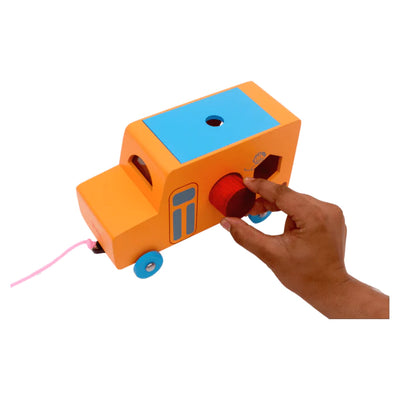
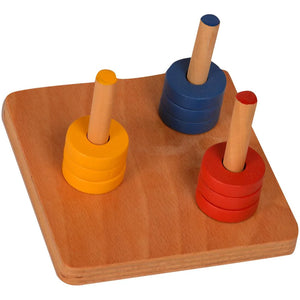
For the youngest players, simple matching and stacking games are ideal. These board games for kids should feature large, sturdy pieces that are easy for tiny hands to grasp, promoting early fine motor skill activities. Colour recognition, shape sorting, and basic cause-and-effect games introduce fundamental concepts in a playful manner, building concentration and hand-eye coordination.
Board Games for 4 Year Olds & Preschoolers (4-6 years)
At this stage, children are ready for games with slightly more complex rules and opportunities for basic strategy. Popular choices for board games for 4 year olds include memory games, simple counting games, and those that involve following a path. These games reinforce number recognition, sequencing, and the concept of winning and losing, all while refining fine motor skills games for kids.
Board Games for Early Schoolers (6+ years)
As children enter school, their cognitive abilities expand, allowing for more intricate strategy games, word-based games, and those that integrate early arithmetic. These games challenge problem-solving skills, critical thinking, and social negotiation, supporting academic learning in an enjoyable way. They continue to hone fine motor skills through manipulation of smaller components and strategic placement.
Integrating Montessori Principles into Board Game Play
Montessori board games naturally align with the philosophy of self-directed, hands-on learning. Maria Montessori's approach emphasizes purposeful activity, concentration, and the development of inner discipline. When applied to board games, this means fostering an environment where children can choose games, learn at their own pace, and engage in self-correction.
Parents can act as guides, introducing rules clearly and then allowing the child to discover strategies and outcomes independently. Providing a 'prepared environment' – a comfortable space with easy access to games – encourages spontaneous play. The focus shifts from merely winning to the process of playing, understanding rules, and interacting respectfully. This approach builds deep engagement, enhancing both motor skills and cognitive development significantly.
Fostering Family Bonds: Board Games in Indian Homes
In the vibrant tapestry of Indian family life, board games serve as a beautiful conduit for connection across generations. Weekends, festive gatherings, or even a simple evening after school become opportunities for parents, grandparents, and children to gather around a board, sharing laughter and creating lasting memories. This communal play strengthens family ties, a cornerstone of Indian culture.
Board games offer a screen-free alternative that encourages genuine interaction and conversation. They provide a much-needed break from academic pressures, allowing children to relax and learn through play, directly addressing the national push for initiatives like 'Navachetana' which aims to enhance school readiness through engaging methods. Playing together nurtures communication skills, strengthens emotional bonds, and creates a shared sense of joy that resonates deeply within Indian homes.
- Board games for kids significantly boost fine motor skills, including grasping and dexterity.
- They enhance cognitive functions like strategic thinking, problem-solving, and memory.
- Educational board games foster crucial social-emotional skills such as turn-taking, patience, and emotional regulation.
- Montessori principles, like self-correction and hands-on learning, elevate the developmental impact of board games.
- Age-appropriate selection of board games ensures maximum engagement and learning for children.
- Playing board games strengthens family bonds and offers a valuable screen-free alternative for Indian families.
What age should kids start playing board games?
Children can start engaging with simple board games as early as 2-3 years old, focusing on activities like matching colours, stacking, or identifying shapes. Games with large, easy-to-grasp pieces are ideal for developing early dexterity and understanding basic rules.
How do board games help with fine motor skills?
Board games actively engage fine motor skills through actions such as grasping and manipulating small game pieces, rolling dice, moving pawns precisely, and turning cards. These repeated actions strengthen hand muscles, improve dexterity, and enhance hand-eye coordination essential for writing and daily tasks.
Are there Montessori-aligned board games?
Yes, many board games align well with Montessori principles by promoting self-correction, hands-on learning, and concentration. Games that encourage independent problem-solving, sensory exploration, and purposeful movement without excessive competition are excellent choices for a Montessori-inspired approach.
How can I encourage my child to play board games?
Encourage board game play by making it a fun family activity, allowing your child to choose games, and being patient with learning. Create a comfortable, distraction-free 'prepared environment' and focus on the joy of playing together rather than solely on winning.
Which educational board games are best for preschoolers?
For preschoolers (ages 3-5), the best educational board games focus on simple concepts like colour recognition, counting, matching, and basic turn-taking. Look for games with vibrant visuals, durable components, and clear, easy-to-follow rules to foster engagement and learning.
Integrating educational board games into your child's routine is a powerful way to support their holistic development. From strengthening their gross motor skills (if active games are chosen) to honing fine motor precision and fostering strategic thinking, the benefits are immense. SkilloToys.com is dedicated to providing high-quality, Montessori-aligned educational toys that bring joy and learning into every Indian home.
Explore our curated collection today and discover the perfect board games to inspire your child's growth, encourage family bonding, and prepare them for a bright future. Give the gift of purposeful play – a timeless investment in their development.