Cerebral Palsy Motor Challenges: Guide for Early Intervention
Understanding the diverse cerebral palsy motor challenges is paramount for Indian parents seeking to provide targeted early intervention for their child. Research shows that early, individualized support, starting right here in Bengaluru, significantly enhances functional independence and overall well-being. This guide delves into the varied motor impairments and associated conditions, empowering you with knowledge for effective action.
Cerebral Palsy (CP) is a group of permanent movement disorders that appear in early childhood, impacting muscle tone, posture, and coordination. This matters because it affects a child's ability to perform daily tasks and achieve developmental milestones. Indian parents can leverage this understanding to choose appropriate therapies and educational tools, fostering optimal growth from home.
Understanding the Diverse Types of Cerebral Palsy Motor Impairment
Children with cerebral palsy experience a wide spectrum of motor impairments, which fall into distinct categories. Recognising these types of cerebral palsy motor impairment is the first step toward tailored support. Spastic cerebral palsy, the most common type, causes muscle stiffness and exaggerated reflexes, often leading to difficulty with precise movements and walking. It can manifest as hemiplegia (one side of the body affected), diplegia (legs primarily affected), or quadriplegia (all four limbs affected), each requiring unique physical therapy approaches.
Dyskinetic cerebral palsy, including athetoid and dystonic types, is characterized by involuntary, uncontrolled movements that can be slow and writhing or rapid and jerky. Children might struggle with maintaining posture or purposeful actions, impacting everything from eating to playing. Ataxic cerebral palsy affects balance and coordination, making precise movements difficult, often resulting in unsteady walking and tremors. Studies indicate that approximately 2.5-3 per 1000 live births in India are affected by cerebral palsy, highlighting the critical need for accessible early intervention programs that address these specific motor challenges.
Addressing Cerebral Palsy Comorbidities and Motor Skills
The complexity of cerebral palsy often extends beyond primary motor difficulties, encompassing various cerebral palsy comorbidities motor skills challenges. These associated conditions can significantly impact a child's ability to learn and interact with their environment. Common comorbidities include intellectual disabilities, epilepsy, visual impairments (like strabismus), hearing loss, and speech difficulties (dysarthria).
For instance, a child struggling with both spasticity and visual impairment will face compounded difficulties in tracking objects or coordinating hand-eye movements for tasks like building blocks. Similarly, communication challenges can frustrate a child, hindering their engagement in motor-skill-building activities. Understanding these co-occurring conditions, as highlighted by reports like the 'Clinical spectrum and associated comorbidities of cerebral palsy among children in Eastern India', is vital for a holistic intervention plan. This ensures that therapy and educational strategies, whether at home in Bengaluru or through specialized centres, address all facets of the child's development, leading to more effective outcomes.
The Crucial Role of Early Intervention for Cerebral Palsy in India
Early intervention is not just beneficial; it is absolutely critical for children with cerebral palsy in India. Commencing support as early as possible capitalizes on brain plasticity, allowing for maximum neurological development and adaptation. This proactive approach to early intervention for cerebral palsy India can significantly improve a child's motor functions, cognitive abilities, and social-emotional development, helping to close the school-readiness gap, a vital step towards Viksit Bharat 2047, as emphasized in recent discussions like 'The padhai pivot'.
In many Indian homes, particularly in joint family settings, grandparents and extended family play a significant role. Educating all family members on simple exercises and interactions can transform daily routines into therapeutic opportunities. For instance, encouraging a child to reach for a specific toy during playtime, or assisting with self-feeding using adapted utensils, integrates therapy seamlessly into home life. This consistent, multi-faceted support, tailored to the child's unique needs, forms the cornerstone of effective early intervention and helps mitigate the long-term impact of motor challenges.
Supporting Diverse Motor Needs: Strategies and Educational Toys
Supporting diverse motor needs cerebral palsy requires a creative and adaptive approach from parents. Maria Montessori's philosophy, focusing on a prepared environment and self-directed learning, offers a powerful framework. Creating a safe, accessible space at home where children can explore and interact with materials independently is fundamental. This encourages them to push their boundaries and develop strength and coordination at their own pace.
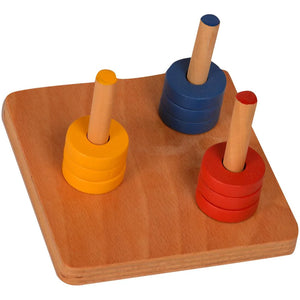
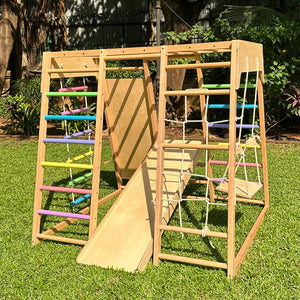
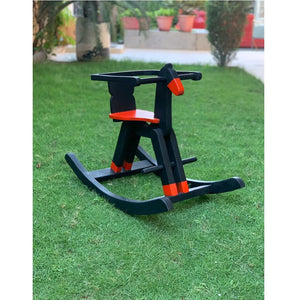
Educational toys are invaluable tools in this journey, particularly those that offer sensory feedback and opportunities for repetition. For children with fine motor challenges, consider toys that encourage grasping, pinching, and manipulating, such as large wooden beads for threading or knobbed puzzles. SkilloToys offers a wide range of fine motor skill toys that are robust and designed for easy handling. For gross motor development, balancing boards, tunnels, and soft blocks encourage movement, balance, and core strength. Explore our collection of gross motor skill toys for dynamic play options. These are more than just toys; they are tools for therapy, making learning fun and engaging, echoing the '5 fun tricks to supercharge fine motor skills' often shared by experts. Our full range of Montessori learning materials are designed to provide purposeful engagement, catering to various developmental stages and specific motor challenges.
- Early intervention for cerebral palsy motor challenges significantly improves functional outcomes and quality of life.
- Understanding the specific type of cerebral palsy motor impairment (spastic, dyskinetic, ataxic) is crucial for targeted therapy.
- Comorbidities such as intellectual disabilities or visual impairments must be addressed alongside motor challenges for holistic development.
- Maria Montessori's approach emphasizes a prepared environment and self-directed learning, beneficial for children with diverse motor needs.
- Consistent family involvement, especially in joint family settings, is a cornerstone of effective home-based early intervention in India.
- Educational toys, particularly those designed for specific fine and gross motor skill development, are vital therapeutic tools.
What is the most common type of cerebral palsy motor impairment?
Spastic cerebral palsy is the most common type, affecting about 80% of individuals with CP. It is characterized by stiff, tight muscles and exaggerated reflexes, making movement challenging.
How can early intervention benefit a child with cerebral palsy in India?
Early intervention for cerebral palsy in India significantly improves motor skills, cognitive development, and overall functional independence. Timely support can help children achieve crucial developmental milestones and integrate better into social and academic settings.
What are common comorbidities associated with cerebral palsy that impact motor skills?
Common comorbidities include intellectual disabilities, epilepsy, visual impairments, hearing loss, and speech difficulties. These conditions can further complicate motor skill development and require a comprehensive, multi-disciplinary approach to intervention.
Are there specific Montessori toys effective for children with cerebral palsy?
Yes, Montessori toys are highly effective as they are designed for specific developmental goals. Materials like large knob puzzles, threading beads, and balancing beams can support the development of fine and gross motor skills, proprioception, and concentration for children with varying motor challenges.
How can parents in a joint family setting best support a child with CP?
In a joint family, parents can leverage the support of grandparents and other family members for consistent therapy routines and a nurturing environment. Assigning specific roles and educating everyone about the child's needs ensures a cohesive approach to early intervention and daily support.