Cerebral Palsy Motor Development Activities: Montessori Guide
Supporting a child with Cerebral Palsy requires a thoughtful and consistent approach to development. Implementing targeted cerebral palsy motor development activities is crucial for enhancing physical abilities and promoting independence. This guide provides actionable Montessori and play-based strategies, empowering Indian parents to create a nurturing environment that fosters their child's growth and celebrates every milestone, big or small.
Cerebral Palsy (CP) is a group of permanent movement disorders that appear in early childhood. It is caused by non-progressive disturbances that occur in the developing foetal or infant brain. This condition primarily affects motor skills, muscle tone, posture, and coordination, though its presentation varies widely among individuals. Indian parents can empower their child by understanding these unique challenges and proactively engaging in therapeutic play.
Understanding Cerebral Palsy in the Indian Context
The prevalence of Cerebral Palsy in India, as highlighted by a recent Nature article on children in Eastern India, underscores a significant need for accessible support and informed interventions. This clinical perspective reinforces the importance of early diagnosis and tailored developmental strategies. While medical treatment is essential, daily play-based learning deserves equal footing with nutrition in a child's developmental journey, as noted by India Today.
For Indian families, particularly those in joint family setups, creating an inclusive and stimulating environment is key. Grandparents, aunts, and uncles can play a vital role in encouraging and participating in developmental activities. Integrating therapeutic play into daily routines, much like how preschool education is evolving beyond rote learning, helps children with CP thrive within their familiar home surroundings, making learning a joyful experience.
Montessori for Cerebral Palsy: A Tailored Approach
Maria Montessori's philosophy, centred on self-directed activity, hands-on learning, and collaborative play, offers profound benefits for children with Cerebral Palsy. Research shows that Montessori methods can be effectively adapted to support diverse learning needs, including those related to motor development. The structured yet flexible nature of Montessori allows children to work at their own pace, building confidence and refining skills.
Child development experts agree that providing opportunities for repetition and mastery is essential. Montessori materials are designed with this in mind, offering built-in control of error that allows a child to learn independently. This approach fosters a sense of achievement, which is particularly empowering for children facing motor challenges, helping them engage more actively with their environment and develop essential Montessori method learning materials and toys.
Enhancing Gross Motor Skills: Cerebral Palsy Focused Activities
Developing gross motor skills cerebral palsy focused activities is about strengthening large muscle groups crucial for movements like crawling, sitting, standing, and walking. Studies indicate that consistent engagement in these activities significantly improves mobility and balance. Here are some effective strategies to implement at home:
- Assisted Crawling and Rolling: Encourage movement on the floor. Use brightly coloured blankets or soft bolsters to provide support as your child learns to roll or attempt crawling. A simple saree tunnel can make crawling a fun, exploratory game, building core strength.
- Reach and Grab Games: Position engaging toys slightly out of reach to encourage stretching and reaching while sitting or lying down. This strengthens core muscles and improves coordination. Soft balls or plush toys are excellent for this.
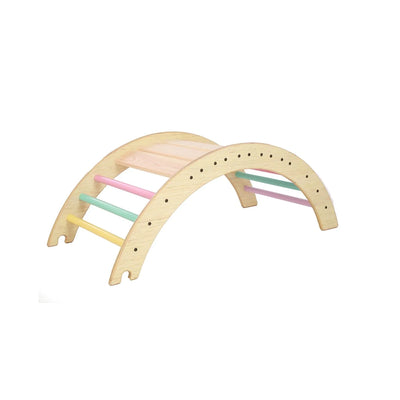
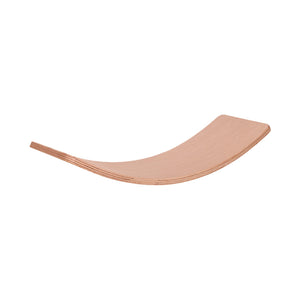
- Balance Board Play: Introduce a low balance board (with supervision) or a wide beam to help develop equilibrium and core stability. Even gently rocking on a stable surface can be beneficial for vestibular input and balance. Explore SkilloToys' range of gross motor skill toys designed for active play.
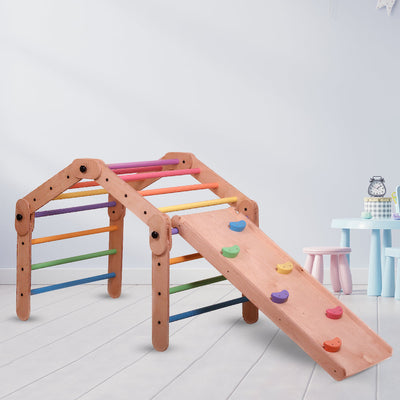
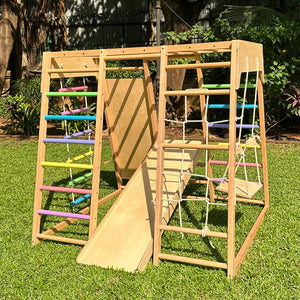
- Indoor Obstacle Courses: Create a simple course using cushions, pillows, and low stools. Encourage your child to navigate these obstacles by crawling over, under, or stepping around them, fostering problem-solving alongside physical movement.
Remember, the goal is consistent, gentle encouragement. Celebrate every small achievement, reinforcing their efforts and building their self-esteem in the process.
Developing Fine Motor Skills: Targeted Montessori Activities
Targeted activities for fine motor skills cerebral palsy development are vital for improving hand-eye coordination, dexterity, and precision. These skills are fundamental for everyday tasks like dressing, eating, and writing. Montessori materials are particularly adept at addressing these needs:
- Pincer Grip Activities: Use small items like chickpeas or colourful beads with tongs or tweezers, encouraging the development of the pincer grasp. Transferring these items between bowls strengthens finger muscles and precision.
- Practical Life Skills: Simple tasks like buttoning large buttons, zipping zippers, or pouring water between small pitchers are excellent. These activities, common in Indian households, can be adapted with larger fasteners or spill-proof containers.
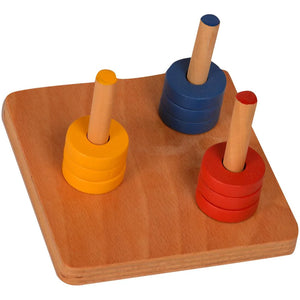
- Stacking and Nesting: Offer various-sized cups or blocks for stacking and nesting. This improves hand coordination, spatial awareness, and problem-solving. Consider sturdy wooden blocks or the classic Pink Tower, adapted for easier manipulation.
- Lacing and Beading: Large wooden beads with thick strings or lacing cards help develop hand-eye coordination and fine motor control. Choose materials that are easy for your child to grasp and manipulate. SkilloToys offers a selection of fine motor skill toys that are perfect for these activities.
- Sensory Bins: Fill a tray with rice, lentils, or sand and hide small objects. Encourage your child to search and retrieve them, providing sensory input while refining hand movements and tactile discrimination.
These activities are not just about physical movement; they also engage cognitive skills, fostering concentration and independent learning.
Holistic Support for Cerebral Palsy in India
Providing comprehensive support for cerebral palsy India means looking beyond just physical exercises. It involves creating an ecosystem of care that includes family, therapists, and community resources. A study published in the Indian Journal of Pediatrics highlights the crucial role of family-centered care in enhancing developmental outcomes for children with CP in India.
Engage with paediatric physiotherapists and occupational therapists who can provide personalised guidance and adaptive strategies. Seek out local early intervention centres or NGOs that offer specialised programs and connect with parent support groups. Sharing experiences with other Indian parents facing similar journeys can be incredibly validating and provide practical tips for navigating challenges.
Remember that every child's journey is unique. Celebrate your child's progress, adapt activities as needed, and always prioritise their comfort and joy. SkilloToys is committed to providing high-quality, developmentally appropriate Montessori and educational toys that support every child's potential, ensuring they have the best tools for growth and learning right here in India.
- Early and consistent intervention is critical for improving motor function in children with Cerebral Palsy.
- Montessori principles, with their focus on self-directed and hands-on learning, are highly adaptable for children with CP.
- Gross motor skill development can be effectively supported through adapted play like assisted crawling, reach-and-grab games, and indoor obstacle courses.
- Fine motor skills benefit from activities like pincer grip exercises, practical life tasks, and stacking games using Montessori-inspired materials.
- A holistic support system involving family, therapists, and community resources is essential for comprehensive care in India.
- Research indicates that engaging children with CP in tailored play-based activities significantly enhances their developmental outcomes and overall quality of life.
What is the best way to support motor development in children with Cerebral Palsy?
The most effective approach combines consistent, tailored exercises with engaging play-based and Montessori activities. Early intervention and a supportive home environment are critical for maximising a child's potential and functional independence.
Are Montessori materials suitable for children with Cerebral Palsy?
Yes, Montessori materials are highly suitable due to their self-correcting nature, emphasis on hands-on exploration, and adaptability. They can be modified to meet individual needs, fostering independence and building confidence in children with Cerebral Palsy.
How can I incorporate gross motor skills cerebral palsy activities at home?
Simple activities like crawling through tunnels made from sarees, reaching for toys while sitting, or assisted standing against furniture promote gross motor development. Incorporate music and encourage movement during daily routines to make it fun and engaging for your child.
What kind of toys are best for children with Cerebral Palsy in India?
Toys that are easy to grip, have contrasting colours, offer sensory feedback, and encourage specific motor actions are ideal. Think about sturdy puzzles, building blocks, textured balls, and lacing activities that support both fine and gross motor skills, catering to different functional levels.
Where can Indian parents find support for cerebral palsy motor development activities?
Indian parents can find support through paediatric physiotherapists, occupational therapists, early intervention centres, and online communities. Connecting with other families and utilising resources from organisations dedicated to children with disabilities can provide valuable guidance and emotional support.