Cerebral Palsy Motor Skill Development: A Montessori Guide
Supporting a child's cerebral palsy motor skill development requires a holistic, patient, and consistent approach, often blending therapeutic interventions with a supportive home environment. Research from India, as highlighted by recent studies on cerebral palsy in Eastern India, emphasizes the profound impact of early and continuous support on developmental outcomes. By integrating Montessori principles and specially designed educational toys, Indian parents can effectively foster independence, strength, and coordination in their children.
This comprehensive guide offers practical strategies and insights for families across Bengaluru and beyond, empowering them to become active participants in their child's developmental journey. Recognizing and addressing motor challenges early is key to unlocking a child's full potential, preparing them for greater participation in daily life and future educational endeavours.
What is Cerebral Palsy Motor Skill Development?
Cerebral palsy motor skill development refers to the process of enhancing movement, coordination, and balance in children affected by cerebral palsy, a group of disorders that affect a person's ability to move and maintain balance and posture. This matters because targeted interventions improve daily functioning and quality of life significantly. Indian parents can proactively engage with therapists and utilize adaptive educational tools to support this crucial journey.
Understanding that every child with cerebral palsy is unique is essential, as the condition manifests differently in each individual. Focused efforts can lead to remarkable progress, improving mobility, self-care abilities, and overall independence.
Understanding Motor Challenges in Cerebral Palsy
Children with cerebral palsy often experience a range of motor challenges, impacting both their fine and gross motor skills. Studies indicate that approximately 2.5 to 3 children per 1,000 live births in India are affected by cerebral palsy, presenting diverse motor challenges from spasticity and rigidity to ataxia and dyskinesia. These conditions can make everyday tasks challenging, requiring specific strategies to support development.
Fine motor skills cerebral palsy challenges involve the small muscles used for precise movements, such as grasping objects, writing, or buttoning clothes. Meanwhile, gross motor skills cerebral palsy issues affect larger muscle movements necessary for activities like sitting, standing, walking, and maintaining balance. Addressing both areas is fundamental for holistic development.
The Montessori Approach for Cerebral Palsy Motor Skill Development
The Montessori philosophy, pioneered by Dr. Maria Montessori, offers a deeply beneficial framework for children with cerebral palsy. This method emphasizes a child-centred approach, a prepared environment, and the development of practical life skills, all of which are highly adaptable to special needs. Child development experts agree that the Montessori focus on self-correction and repetition is particularly advantageous.
Montessori for cerebral palsy encourages independence and fosters a sense of achievement through purposeful activity. Materials like the Pink Tower, Knobbed Cylinders, and various practical life activities (e.g., pouring, buttoning) are designed to isolate skills and encourage independent exploration. Discover the potential of Montessori method learning materials for holistic development.
Fostering Fine Motor Skills with Educational Toys
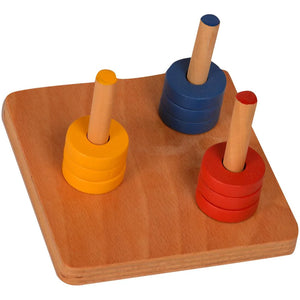
Developing fine motor skills is critical for daily tasks and cognitive development. For children with cerebral palsy, engaging with specific educational toys cerebral palsy can significantly improve hand-eye coordination, dexterity, and grasp. These toys provide opportunities for repetitive practice in a fun, engaging manner, building muscle memory and confidence.
Consider items such as large-knobbed puzzles, threading beads, building blocks, and art supplies like thick crayons or paintbrushes. These activities not only refine movements but also encourage problem-solving. Explore our curated collection of fine motor skill toys designed to engage and challenge.
Enhancing Gross Motor Skills Through Play
Gross motor skills involve the larger muscles of the body and are essential for mobility and balance. Active play is a powerful tool for developing these skills in children with cerebral palsy, similar to how sports can improve motor skills in children with other conditions.
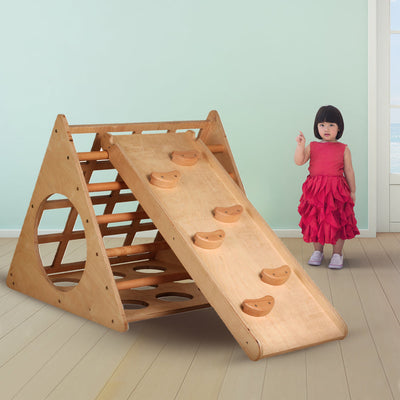
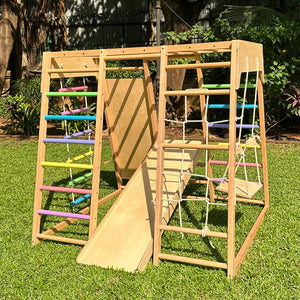
Toys and activities that promote movement, balance, and coordination are ideal. Examples include crawling tunnels, balance beams, large soft play blocks, and adaptive tricycles. Creating an inviting space where children feel safe to explore and move freely is crucial. For activities that build strength and balance, browse our range of gross motor skill toys.
Integrating Therapies and Support in India
A multi-disciplinary approach is vital for children with cerebral palsy, with therapies playing a central role in their development journey. Child development experts agree that a combination of physiotherapy, occupational therapy, and speech therapy can significantly improve outcomes. A 2018 study in the Indian Journal of Pediatrics highlighted that early intervention services improved motor function by an average of 30% in children with CP.
Parents in India should actively seek out centres and professionals specializing in therapies for cerebral palsy India. Collaborating closely with therapists to carry over exercises and activities into the home environment is key to maximizing progress, ensuring comprehensive supporting special needs motor skills.
Creating a Supportive Home Environment
The home is a child's first classroom, and for children with cerebral palsy, it can be a sanctuary for growth and learning. Establishing a prepared environment means ensuring toys and materials are easily accessible, safe, and organized, allowing the child to engage independently and build self-reliance.
In Indian joint families, grandparents often play a crucial role in daily routines and encouragement, making the home a truly inclusive space for learning and play. Celebrating every small milestone, from successfully grasping a toy to taking a few assisted steps, reinforces effort and motivates both the child and family on their unique developmental path.
- Holistic support combining therapy and a nurturing home environment is crucial for cerebral palsy motor skill development.
- Montessori principles, focusing on independence and purposeful activity, offer significant benefits for children with CP.
- Targeted educational toys effectively enhance both fine and gross motor skills, promoting coordination and strength.
- Early intervention and consistent, multidisciplinary therapies are vital for optimal developmental outcomes in India.
- A supportive home environment, actively involving family members, accelerates a child's progress and confidence.
- Celebrating incremental milestones is essential for motivating children and families throughout their developmental journey.
What are the best Montessori materials for a child with cerebral palsy?
Montessori materials that isolate specific skills, like knobbed cylinders for pincer grip or dressing frames for fine motor dexterity, are highly effective. Practical life activities such as pouring and spooning also build concentration and coordination, making them ideal for children with cerebral palsy.
How can I encourage my child's gross motor skills at home?
Creating a safe, open space with opportunities for movement is crucial. Encourage crawling, standing, and supported walking with aids like push-walkers or soft play structures, turning everyday activities into chances for active exploration and balance practice.
When should therapies begin for a child diagnosed with cerebral palsy in India?
Early intervention is paramount; therapies should ideally begin as soon as cerebral palsy is diagnosed, even in infancy. Consistent physiotherapy, occupational therapy, and speech therapy can significantly influence developmental trajectories and improve functional independence.
Are there specific educational toys recommended for fine motor development in children with CP?
Yes, toys that require specific hand-eye coordination and manipulation are beneficial. Examples include large puzzles with knobs, lacing beads, stacking rings, shape sorters, and building blocks, all chosen to match the child's current ability level and encourage progress.
How important is a prepared environment in Montessori for children with special needs?
A prepared environment is foundational in Montessori for all children, especially those with special needs, as it provides an orderly, accessible, and stimulating space. This setup minimizes distractions, encourages independent exploration, and allows the child to master skills at their own pace, fostering self-confidence.
How can early intervention in motor skills support school readiness for children with cerebral palsy?
Early intervention in motor skills directly contributes to school readiness by improving a child's ability to sit, hold a pencil, turn pages, and participate in classroom activities. This focus aligns with national goals like 'Viksit Bharat 2047,' ensuring children with special needs are better equipped for educational success.