Cerebral Palsy Motor Skill Development: Montessori Guide
Montessori principles and specifically designed educational toys demonstrably enhance cerebral palsy motor skill development in children by fostering a prepared environment that encourages self-directed activity and builds foundational physical capabilities. This approach empowers children to refine both fine and gross motor skills at their own pace, crucial for independence and confidence in their daily lives within Indian homes and communities.
Cerebral Palsy (CP) is a group of permanent movement disorders that appear in early childhood. This condition significantly impacts motor control, muscle tone, and coordination due to brain injury or abnormal brain development. Indian parents can effectively support their child by understanding CP and engaging in early, consistent therapeutic and educational interventions.
Montessori's Empowering Approach for Children with Cerebral Palsy
Montessori's child-centric philosophy provides a remarkably effective framework for supporting children with cerebral palsy motor skill development, emphasizing independence, respect, and a carefully prepared environment. Maria Montessori believed every child possesses an innate drive to learn and grow, a principle profoundly relevant for children facing developmental challenges. Research shows that structured, hands-on activities, tailored to individual needs, can significantly improve motor function and adaptive skills.
In Indian homes, where joint families often provide a rich support system, the Montessori approach encourages everyone to foster a child's autonomy. Instead of doing things for the child, the focus shifts to creating opportunities for them to act independently, whether it’s dressing themselves with modified buttons or reaching for a favourite toy. This fosters a sense of achievement and self-worth, crucial for children with CP.
Targeting Specific Motor Skills with Montessori Materials
Montessori materials are intentionally designed to isolate skills, allowing children to focus on one specific movement or concept at a time, making them ideal for refining specific motor skills in children with CP. These materials offer tactile, visual, and kinesthetic feedback, helping children understand and master movements through repetition and self-correction. Child development experts agree that such focused practice builds stronger neural pathways and muscle memory.
Developing Fine Motor Skills with Montessori Aids
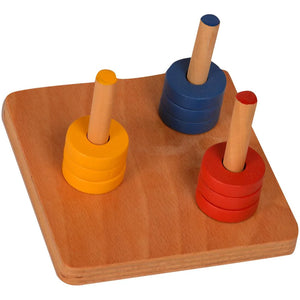
Fine motor skills, involving the coordination of small muscles in the hands and fingers, are crucial for daily tasks like eating, writing, and self-care. Montessori provides a wealth of materials specifically designed to develop these intricate movements. Activities like transferring beads with tongs, buttoning and zipping frames, and various puzzles strengthen grip, dexterity, and hand-eye coordination. Engaging with fine motor skill toys such as stacking rings or threading beads, helps children gain precision and control.
For children learning to hold a pencil or manipulate small objects, materials like the sandpaper letters provide multi-sensory input that aids in pre-writing skills. The graded sizes of items like the Pink Tower or Brown Stair also help children develop spatial awareness and the pincer grip necessary for more complex tasks. These activities are not just play; they are purposeful exercises designed for development.
Enhancing Gross Motor Skills Through Movement and Balance
Gross motor skills, which involve larger muscle groups for movements like walking, running, and balancing, are equally vital for a child's overall mobility and participation. The Montessori prepared environment encourages freedom of movement, allowing children to explore and challenge their bodies safely. Providing open spaces and simple, sturdy equipment supports their natural inclination to move.
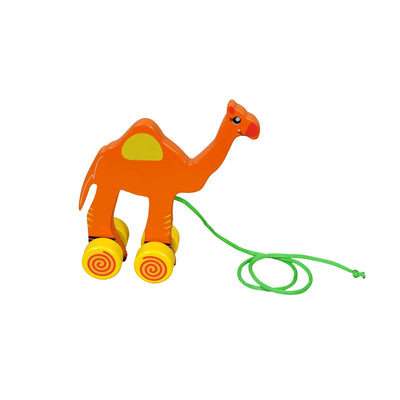
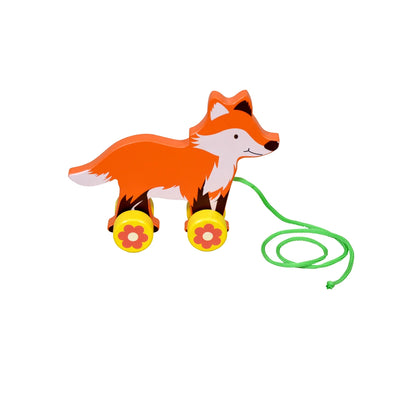
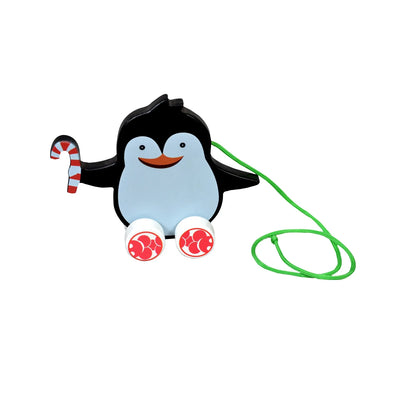
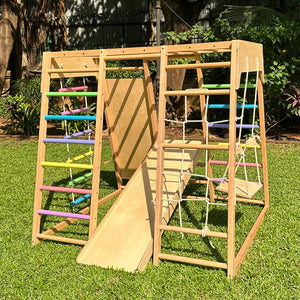
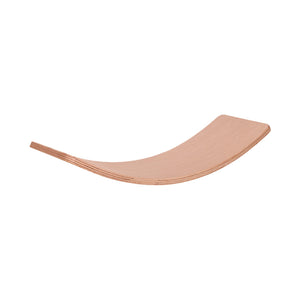
Activities like walking on a line, pushing and pulling wagons, or carrying objects help children improve balance, coordination, and strength. These movements, often seen as simple play, are fundamental for building muscle tone and body awareness, which are particularly beneficial for children with CP. Incorporating gross motor skill toys like balance boards or climbing structures into a child's routine can provide stimulating challenges, always adapted to their unique abilities and safety.
Creating a Supportive Montessori Home Environment in India
Establishing a Montessori-inspired home environment for children with cerebral palsy in India means creating a space that is safe, accessible, and stimulating, allowing the child to engage independently. This involves thoughtful arrangement of furniture, child-sized tools, and readily available materials that support their developmental stage. The collaborative spirit of Indian joint families can be harnessed to ensure consistency and loving support.
Parents can adapt their homes by ensuring that learning materials are within reach, perhaps on low shelves, and that movement pathways are clear. Celebrating small victories, like a child independently reaching for a glass of water or managing a small button, reinforces their efforts and builds confidence. This aligns with the 'Why play-based learning deserves equal footing with nutrition' perspective, as purposeful play at home becomes a foundational pillar for development, not just academic readiness.
Choosing Educational Toys for Children with Cerebral Palsy in India
Selecting the right educational toys is paramount for children with cerebral palsy in India, as these tools can significantly aid their motor skill development and cognitive growth. The emphasis should be on toys that are adaptable, durable, and promote active engagement rather than passive entertainment. Toys that offer multi-sensory input – touch, sight, and sound – are particularly beneficial for stimulating different parts of the brain.
When choosing, consider toys that allow for various levels of difficulty and can be manipulated in multiple ways. For instance, Montessori learning materials that encourage problem-solving, like shape sorters or stacking blocks, foster both fine motor skills and cognitive development. The inspiring journey of the 'Harvard PhD Mum who started a multi-crore sustainable toy business' underscores the power of thoughtfully designed, high-quality toys in a child's developmental journey, promoting both skill acquisition and sustainability.
Addressing Parental Concerns and Celebrating Milestones in India
Indian parents of children with cerebral palsy often face unique pressures, from societal expectations to concerns about 'padhai' (education) and future independence, especially within the vision of 'Viksit Bharat 2047.' It is crucial to remember that every child develops at their own pace, and progress, however small, deserves celebration. Focus on individual milestones, not comparison.
Early intervention, supported by a loving family and appropriate educational tools, can significantly impact a child's developmental trajectory. Studies indicate that children receiving early, consistent therapy and engaging with tailored learning environments show greater functional improvements. Seeking guidance from therapists and connecting with support groups can provide invaluable practical advice and emotional strength, creating a holistic support system for children with cerebral palsy in India.
- Montessori principles offer a structured yet flexible framework that significantly supports motor skill development in children with cerebral palsy.
- A prepared, accessible home environment encourages independence and self-directed activity, crucial for children with CP.
- Specific Montessori materials like the Pink Tower and Sandpaper Letters are designed to isolate and refine fine motor skills effectively.
- Gross motor activities, facilitated by freedom of movement and appropriate toys, enhance balance, coordination, and overall mobility.
- Early and consistent engagement with tailored educational tools and a supportive family network is vital for maximizing developmental potential.
- Choosing adaptable, multi-sensory educational toys that promote active engagement is essential for children with cerebral palsy.
How does a Montessori environment specifically help children with cerebral palsy?
A Montessori environment supports children with cerebral palsy by providing a prepared, accessible space with child-sized tools and materials that encourage independent movement and self-directed learning. It respects the child's individual pace, fostering self-confidence and allowing for repeated practice of motor skills in a supportive setting.
What types of educational toys are best for cerebral palsy motor skill development?
The best educational toys for cerebral palsy motor skill development are those that are adaptable, multi-sensory, durable, and encourage active engagement rather than passive observation. Look for toys that isolate specific skills like grasping, pinching, stacking, or balancing, and can be used in various ways to match the child's evolving abilities.
Can Montessori materials be adapted for children with varying levels of cerebral palsy?
Yes, Montessori materials are inherently adaptable and can be modified to suit various levels of cerebral palsy by adjusting the presentation, adding assistive devices, or simplifying tasks. The focus is always on meeting the child where they are, providing just enough challenge to encourage growth without causing frustration, and celebrating every small achievement.
How important is early intervention with Montessori for children with CP in India?
Early intervention with Montessori principles is critically important for children with CP in India, as it provides a consistent, stimulating environment during crucial developmental windows. Studies show that early, consistent therapeutic and educational engagement can significantly improve long-term motor function, cognitive development, and overall independence for children.
What role do Indian families play in supporting a child with CP using Montessori?
Indian families play an invaluable role by creating a supportive, inclusive home environment and fostering the child's independence within the Montessori framework. Grandparents and other family members can assist by patiently guiding activities, celebrating milestones, and ensuring the child has consistent opportunities for self-directed exploration and learning, making the home a truly prepared environment.