Educational Toys for Fine & Gross Motor Skills Development
Harnessing the power of play for physical growth is vital, and educational toys are definitively the cornerstone for developing both fine and gross motor skills in children. Research shows that engaging with the right toys significantly enhances a child's dexterity, coordination, and strength, laying a crucial foundation for future learning and independence. For Indian parents, understanding these mechanisms ensures that playtime is not just fun, but profoundly developmental.
Educational toys for motor skill development are specifically designed tools that facilitate the practice and refinement of movements, from intricate finger actions to large body coordination. This matters because robust motor skills are fundamental for academic readiness, self-care, and confident social interaction. Indian parents can actively support their child’s holistic growth by thoughtfully selecting toys that challenge and engage their developing physical abilities.
Why Motor Skills Matter: Building Blocks for Life
Child development experts agree that motor skill proficiency is intrinsically linked to cognitive and social-emotional growth. Early experiences with movement and manipulation directly influence brain development, impacting everything from problem-solving to self-regulation. As India Today highlights, play-based learning deserves equal footing with nutrition in a child's development, underscoring its non-negotiable role.
Developing strong motor skills means children gain confidence in their bodies and surroundings, crucial for navigating school life and daily activities within our bustling Indian households. From picking up a crayon to running around with cousins during festivals, these abilities are integral. This early foundation also helps prevent developmental delays, setting children up for success in a rapidly evolving educational landscape, as preschool education moves beyond mere ABCs and 123s, embracing holistic learning.
Fine Motor Skills Toys: Nurturing Precision and Hand-Eye Coordination
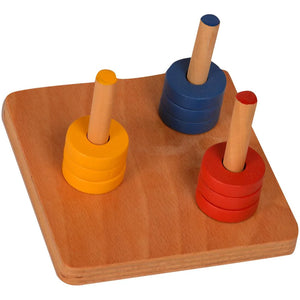
Fine motor skills involve the precise movements of small muscles, particularly in the hands and fingers, often coordinated with the eyes. These skills are essential for tasks requiring dexterity, such as holding a pencil, buttoning a shirt, or tying shoelaces. Engaging fine motor skills toys provide the repetitive, purposeful practice children need to master these intricate movements.
Studies indicate that children who regularly engage with activities like bead stringing or puzzle-solving demonstrate improved hand strength and visual motor integration. For instance, classic Montessori motor skills toys like the Pink Tower encourage grading and stacking, refining a child's pincer grip and spatial awareness. Similarly, Knobbed Cylinders challenge children to fit various sizes into corresponding holes, enhancing discrimination and precision.
Simple activities at home, supported by the right educational toys, can make a huge difference. Consider activities like picking up small objects with tongs, using playdough to strengthen finger muscles, or manipulating small construction blocks. These experiences are invaluable for preparing children for school-age tasks, giving them a head start in writing and self-care.
Gross Motor Skills Toys: Cultivating Strength, Balance, and Mobility
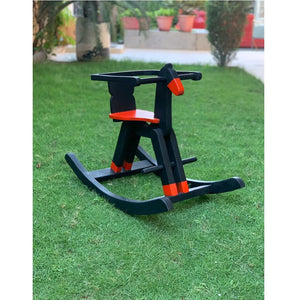
Gross motor skills encompass the coordinated movements of large muscle groups, crucial for foundational actions like crawling, walking, running, jumping, and maintaining balance. These broader movements are vital for physical health, coordination, and a child’s ability to interact dynamically with their environment. Gross motor skills toys are specifically designed to encourage this robust physical engagement.
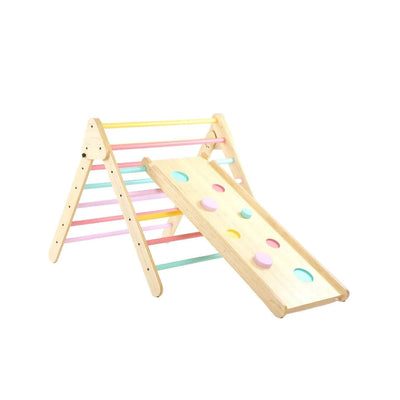
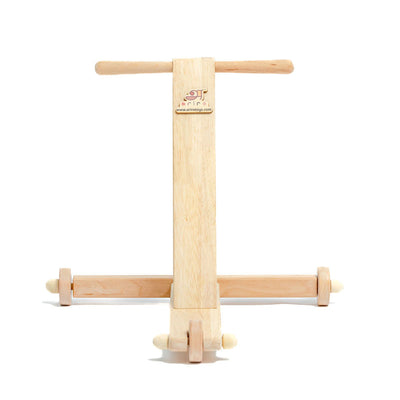
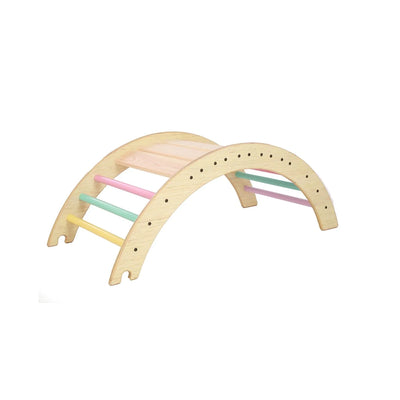
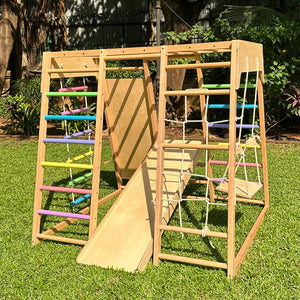
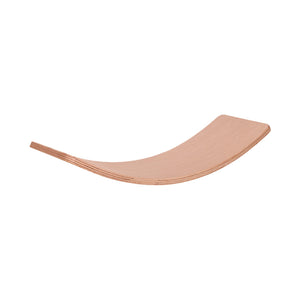
Research shows that active physical play contributes significantly to bone density, cardiovascular health, and even cognitive function, as movement stimulates blood flow to the brain. Balance boards, climbing arches, and large push-and-pull toys are excellent examples of gross motor skills toys that promote strength, coordination, and spatial awareness. Even simple outdoor play, like running in the park or cycling with grandparents, is a powerful form of gross motor development.
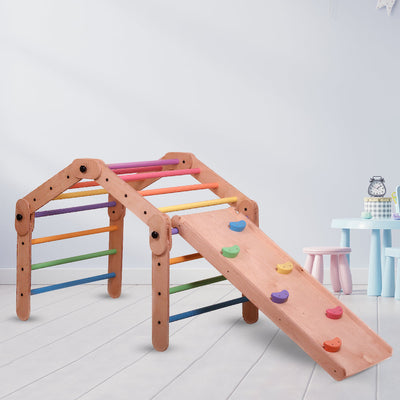
Montessori environments often feature low climbing structures and large wooden blocks that invite children to push, pull, lift, and arrange. These activities not only build physical strength but also foster problem-solving skills and spatial reasoning. Providing safe and stimulating opportunities for active play, both indoors and outdoors, is paramount for a child’s comprehensive physical development in India.
Choosing the Right Educational Toys for Your Child
Selecting appropriate educational toys is about understanding your child's developmental stage and individual interests. A toy that challenges without frustrating is ideal, encouraging persistence and a love for learning. Look for toys made from natural materials, prioritizing safety and durability, especially important in Indian homes where toys are often passed down through siblings or cousins.
Maria Montessori emphasized that materials should be self-correcting, allowing children to learn through discovery rather than direct instruction. When choosing Montessori method learning materials, consider open-ended toys that can be used in multiple ways, fostering creativity alongside motor skill development. Whether it’s a simple set of wooden blocks for an 18-24 month old or a more complex lacing toy for a preschooler, the goal is purposeful engagement.
Engaging grandparents and other family members in playtime can further enrich the experience, introducing traditional games that naturally enhance motor skills. Remember, the best educational toys spark curiosity, encourage exploration, and support your child's journey towards independence, one skillful movement at a time.
- Educational toys are fundamental for developing children's fine and gross motor skills.
- Fine motor skills involve small muscle coordination, crucial for tasks like writing and self-care.
- Gross motor skills involve large muscle coordination, essential for balance, strength, and mobility.
- Montessori motor skills toys are specifically designed to offer purposeful, self-correcting activities for physical development.
- Active, play-based learning directly supports cognitive, social-emotional, and physical growth in children.
- Selecting age-appropriate, safe, and engaging educational toys is vital for holistic child development in Indian homes.
What are fine motor skills in children?
Fine motor skills involve the coordination of small muscles in the hands and fingers, often in conjunction with the eyes. These skills are essential for tasks like writing, buttoning clothes, and using utensils, contributing significantly to a child's independence.
What are gross motor skills in children?
Gross motor skills involve the coordination of larger muscle groups, enabling movements like walking, running, jumping, and balancing. These foundational skills are crucial for overall physical development and active participation in daily activities and sports.
How do Montessori toys specifically aid motor skill development?
Montessori toys are designed with specific developmental goals, often focusing on purposeful activities that isolate a single skill, encouraging repetition and self-correction. For motor skills, they provide concrete experiences like stacking (Pink Tower) or grasping (Knobbed Cylinders) to refine movements and build concentration.
At what age should children start using educational toys for motor skills?
Children begin developing motor skills from birth, so age-appropriate educational toys can be introduced as early as infancy. Soft rattles and textured balls are suitable for newborns, progressing to stacking blocks and push toys for toddlers, and more complex puzzles for preschoolers.
How can Indian parents encourage motor skill development at home?
Indian parents can encourage motor skill development by integrating purposeful play into daily routines. This includes activities like helping with simple household chores (folding clothes), participating in traditional games, or using Montessori-inspired educational toys that promote independent exploration and movement.