Educational Toys for Kids: A Motor Skill Development Guide
To choose the best educational toys for kids that foster motor skill development, parents should select age-appropriate, open-ended Montessori-inspired materials encouraging hands-on exploration and physical engagement. This deliberate selection empowers children, from Bengaluru to distant villages, to build crucial foundations for independence and learning.
In Indian homes, where a child's development is often a joint family effort, the role of play in shaping future success cannot be overstated. With increasing academic pressures and evolving preschool education, focusing on foundational motor skills through play is more critical than ever, ensuring children are not just learning ABCs but also vital life skills.
What are Motor Skill Toys?
Motor skill toys are play materials specifically designed to develop a child's gross motor skills (large muscle movements) and fine motor skills (small, precise hand and finger movements). This matters because robust motor skills are foundational for independence and academic readiness. Indian parents can proactively support physical growth by integrating such toys into daily play.
Understanding Motor Skills: Gross vs. Fine
Motor skill development is a cornerstone of a child's early years, directly impacting their ability to interact with the world around them. Child development experts agree that distinguishing between gross and fine motor skills helps parents select targeted educational toys effectively.
Gross motor skills involve large muscle groups and enable activities like crawling across the floor, running in the park, or helping grandparents with simple chores. These skills are vital for balance, coordination, and overall physical agility. Fine motor skills, on the other hand, require smaller, more precise movements, such as picking up a grain of rice, holding a crayon, or fastening buttons on a kurta, laying the groundwork for writing and self-care.
Age-Appropriate Choices for Motor Skill Development
Selecting age-appropriate educational toys is paramount for maximizing their developmental impact. Research indicates that toys aligned with a child's developmental stage provide the optimal challenge, preventing frustration while encouraging growth.
Infants (0-12 months): Exploring the World
For infants, sensory exploration drives motor skill development. Toys that encourage reaching, grasping, and shaking are ideal. Soft rattles, fabric books, and sensory balls help develop hand-eye coordination and strengthen tiny hand muscles. Placing toys just out of reach encourages rolling and crawling, building essential gross motor skills.
Toddlers (1-3 years): Movement and Discovery
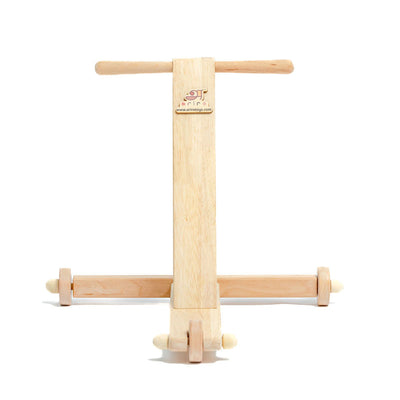
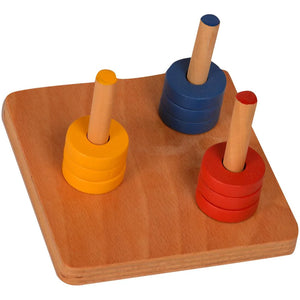
Toddlers are bursting with energy, refining both gross and fine motor skills. Push-and-pull toys, ride-on toys, and small slides support their newfound walking and balancing abilities. For fine motor development, stacking rings, shape sorters, and large pegboards are excellent. These toys promote problem-solving and hand-eye coordination as they learn to manipulate objects.
Preschoolers (3-6 years): Precision and Coordination
As children prepare for school, their motor skills become more refined. Puzzles with smaller pieces, lacing beads, building blocks like LEGOs, and practical life tools such as child-safe scissors enhance fine motor control and dexterity. Tricycles and balance bikes further strengthen gross motor skills, crucial for playground activities and overall physical confidence.
The Montessori Advantage: Montessori Toys for Motor Skills
Maria Montessori's philosophy deeply emphasizes hands-on learning and purposeful activity, making Montessori toys for motor skills incredibly effective. These materials are designed to isolate specific skills, allowing children to focus and master one concept at a time. This approach resonates well with Indian educational values, fostering self-reliance and concentration from a young age.
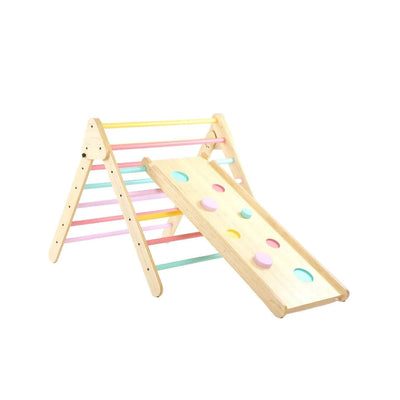
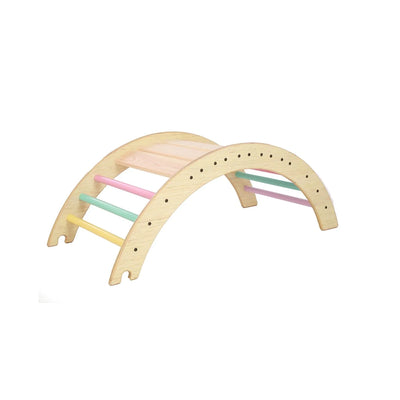
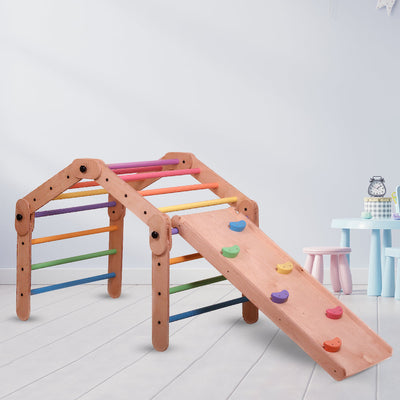
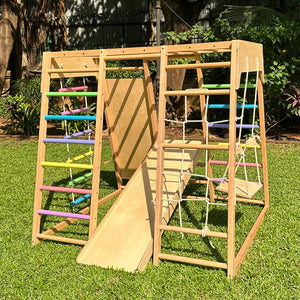
For fine motor skills, Montessori materials like the Pink Tower, Knobbed Cylinders, and various practical life activities such as spooning, pouring, and transferring beans are invaluable. These activities not only refine pincer grip and hand-eye coordination but also instill a sense of order and concentration. For gross motor skills, the Montessori environment often includes walking lines, climbing structures, and outdoor play, promoting balance and spatial awareness.
What to Look For: Key Features in Educational Toys
When selecting best educational toys, especially for motor skill development, several features stand out. Opt for toys made from natural materials like wood, which offer a tactile experience superior to plastic. Durability ensures the toy can withstand enthusiastic play, making it a sustainable choice for your child's growth and potentially for younger siblings.
Open-ended toys, those without a single 'right' way to play, encourage creativity and sustained engagement. Think blocks, art supplies, or a simple play kitchen. These toys adapt as children's skills evolve. Safety is non-negotiable; always check for non-toxic finishes, sturdy construction, and age-appropriate small parts, especially for infants and toddlers in a bustling Indian household.
Integrating Play-Based Learning at Home
The India Today article highlighting why play-based learning deserves equal footing with nutrition in child development underscores its profound importance. For Indian parents, integrating purposeful play into daily routines, beyond just academics, nurtures holistic growth. This is particularly relevant as preschool education evolves beyond just ABCs and 123s, as noted by The Hans India.
Encourage activities that blend into family life. Involve children in simple household chores like sorting clothes, helping knead dough for rotis, or setting the table for festivals like Diwali – these are excellent opportunities for practical life skill development. Grandparents' laps often become the first classroom for activities like stringing beads or telling stories that involve hand gestures, naturally enhancing fine motor skills.
Studies indicate that children engaged in regular play-based learning demonstrate higher cognitive flexibility and problem-solving skills. A 2021 study on Indian children highlighted that early motor skill proficiency correlates significantly with later academic success, further solidifying the need for intentional toy selection. SkilloToys provides a curated selection designed to meet these developmental needs, supporting parents in this vital journey.
- Choosing age-appropriate educational toys is fundamental for effective motor skill development.
- Both gross motor skills (large movements) and fine motor skills (precise hand movements) require specific stimulation.
- Montessori-inspired toys excel at isolating and refining motor skills through hands-on, purposeful activities.
- Prioritize open-ended, durable, and safe toys made from natural materials for holistic development.
- Play-based learning is as critical as nutrition for a child's comprehensive physical and cognitive growth.
- Early motor skill proficiency is significantly correlated with future academic success and independence.