Educational Toys for Kids: Age-Wise Guide to Boost Motor Skills
Selecting the right educational toys for kids, tailored to their age, significantly enhances their motor skill development. These toys provide critical hands-on experiences, fostering both fine motor skills (like grasping and manipulating) and gross motor skills (like balancing and climbing), which are foundational for a child's overall growth and school readiness in India. Research consistently shows that children who engage in regular play with appropriate educational toys exhibit enhanced cognitive and physical development.
For Indian parents navigating the early years, understanding age-specific needs is paramount. This guide from SkilloToys.com offers clear recommendations to ensure your child receives the best support for their developing motor skills, contributing to a robust foundation for their future, aligning with the 'padhai pivot' towards holistic child development.
What are Motor Skills and Why Do They Matter for Your Child?
Motor skills are the abilities that allow us to move our bodies and manipulate objects effectively. This matters because well-developed motor skills are crucial for daily tasks, academic learning, and sports participation. Indian parents can proactively support these skills through targeted play and age-appropriate educational toys, laying the groundwork for a confident and capable child.
Infants (0-12 Months): Laying the Foundation with Motor Skill Toys
During their first year, infants are rapidly developing fundamental gross motor skills, from tummy time and rolling to sitting and crawling. They also begin to explore fine motor skills through grasping and reaching. Child development experts agree that providing opportunities for movement and sensory exploration is vital.
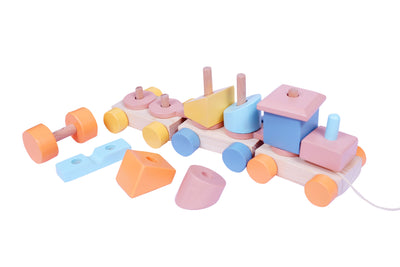
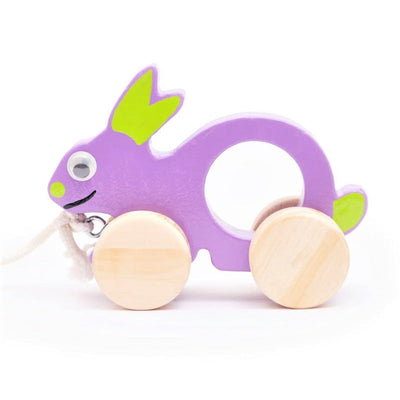
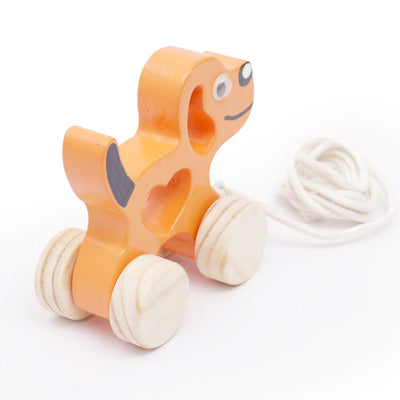
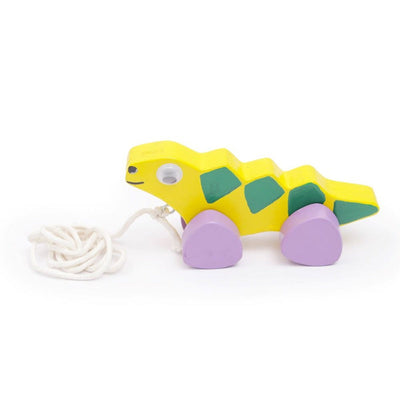
Best educational toys for kids at this stage focus on stimulating these early movements. Soft blocks, rattles, and activity gyms encourage reaching, batting, and gripping. Play mats with different textures and mirrors aid in sensory integration and tummy time engagement. Simple push-pull toys are also excellent for encouraging crawling and early walking attempts.
To support their developing strength and coordination, consider items from our gross motor skill collection. These foundational experiences are crucial, preparing them for the more complex movements they will master as toddlers.
Toddlers (1-3 Years): Best Educational Toys for Toddlers Motor Skills
Toddlers are bursting with energy, refining their walking, climbing, and running. Simultaneously, their fine motor skills undergo significant advancement, as they learn to stack, sort, and manipulate smaller objects. Studies indicate that structured play during these years significantly boosts dexterity and hand-eye coordination.
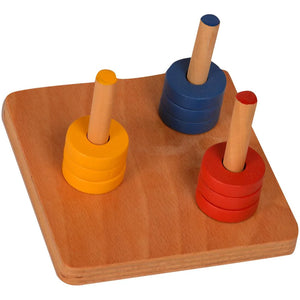
For this age group, best educational toys for toddlers motor skills include stacking rings, shape sorters, and large pegboards. Simple puzzles with chunky knobs, large beads for threading, and building blocks are also excellent. These activities enhance precision grip and bilateral coordination, preparing their hands for future writing tasks.
Montessori-inspired practical life materials, such as pouring activities or using tongs with cotton balls, are perfect for developing control and concentration. These types of toys are instrumental in building the focus and coordination highlighted in '5 fun tricks to supercharge fine motor skills in your child' by The Times of India.
Preschoolers (3-5 Years): Educational Toys for Preschoolers Motor Skills for School Readiness
As children approach school age, the emphasis shifts to refining both fine and gross motor skills for increased independence and academic readiness. They are ready for more complex tasks that require greater precision, planning, and balance. Maria Montessori’s philosophy emphasizes hands-on learning through materials that allow children to develop coordination and concentration.
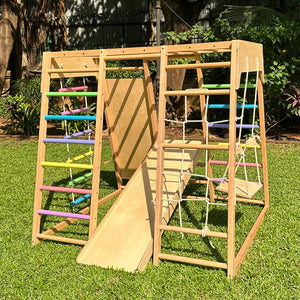
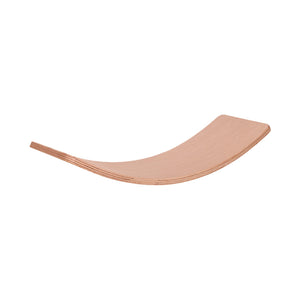
Educational toys for preschoolers motor skills should include lacing beads, scissor skills activities, and smaller building sets. Easels with paintbrushes and playdough encourage creativity while strengthening hand muscles. For gross motor development, tricycles, balance boards, and climbing structures are invaluable, fostering coordination and confidence.
Materials like the Pink Tower or Cylinder Blocks found in our Montessori collection offer graded challenges that refine spatial awareness and fine motor control. These toys are designed to build skills incrementally, crucial for their transition into formal schooling and contributing to a 'Viksit Bharat 2047' by ensuring every child is school-ready.
Early School Age (5-7 Years): Advanced Montessori Toys for Motor Skills
Children in early primary school continue to refine their motor skills, often through more structured activities and creative projects. They are ready for challenges that require sustained attention, problem-solving, and sophisticated hand-eye coordination. This stage is vital for developing proficiency in handwriting, sports, and complex crafts.
Montessori toys for motor skills at this age might include advanced puzzles, intricate construction sets, and tools for simple woodworking or sewing. Sensorial materials like the Geometric Solids or the Binomial Cube further refine their understanding of shape and space, indirectly supporting fine motor precision.
Encouraging outdoor play with skipping ropes, hopscotch, and ball games is equally important for maintaining gross motor strength and agility. Providing a balance of focused fine motor work and vigorous outdoor play ensures holistic physical development, echoing the India Today article's call for play-based learning to have equal footing with nutrition.
- Age-appropriate educational toys are crucial for supporting a child's natural motor skill development from infancy through early school years.
- Motor skills, encompassing both fine and gross movements, are foundational for cognitive development, academic success, and everyday independence.
- The Montessori philosophy provides a structured approach to motor skill enhancement through practical life activities and sensorial materials.
- Research consistently shows that early intervention and consistent engagement with targeted educational toys significantly improve a child's physical capabilities.
- Play-based learning, especially with educational toys, is as vital as nutrition for holistic child development and school readiness in the Indian context.
- Selecting toys that align with specific developmental milestones ensures children are appropriately challenged and supported in their motor skill acquisition.