Educational Toys for Motor Skills: A Montessori Guide
Supporting a child's foundational development is a top priority for parents across India, and research consistently shows that well-chosen educational toys are pivotal in this journey. These purposeful play tools, especially those rooted in the Montessori philosophy, directly contribute to the robust development of both fine and gross motor skills, which are essential for every milestone from infancy through school years.
Motor skill educational toys are specifically designed materials that help children develop control over their body movements and coordination. This matters immensely because strong motor skills are the bedrock for independence, academic success, and physical well-being. Indian parents can actively support this by thoughtfully selecting toys that engage and challenge their child's growing physical capabilities.
Montessori's Vision: Nurturing Motor Skills Through Purposeful Play
Maria Montessori, a pioneering educator, firmly believed in a child's innate drive for self-development, famously encapsulated in the phrase, "Help me do it myself." This core principle underpins the design of all Montessori educational toys, which are crafted to facilitate learning through hands-on exploration and discovery. They are not just playthings; they are tools for development.
The Montessori approach emphasizes a 'prepared environment' where children are free to choose activities that appeal to them, allowing them to follow their interests and develop concentration. This freedom within limits fosters not only physical skills but also problem-solving abilities and self-confidence, directly addressing the broader 'school-readiness gap' highlighted in discussions like 'The padhai pivot: Closing the school-readiness gap for Viksit Bharat 2047.'
The Tangible Benefits of Educational Toys for Motor Skill Development
The benefits of educational toys for motor skills extend far beyond mere physical coordination; they are deeply intertwined with cognitive development, emotional regulation, and social interaction. Studies indicate that strong fine motor skills in preschool are significant predictors of later academic achievement, particularly in reading and mathematics.
For instance, activities that build hand-eye coordination lay the groundwork for writing and drawing. Similarly, gross motor development through play enhances a child's balance and spatial awareness, crucial for everything from playing sports to simply navigating their surroundings safely. This foundational physical development can even improve concentration and readiness for structured learning, mirroring findings that sports may help improve motor skills in children with autism, demonstrating the wide-reaching impact of motor skill development.
Enhancing Fine Motor Skills: Precision and Dexterity
Fine motor skills involve the coordination of small muscles, primarily in the hands and fingers, in conjunction with the eyes. These skills are vital for tasks requiring precision and dexterity, such as holding a spoon, buttoning a shirt, or eventually writing.
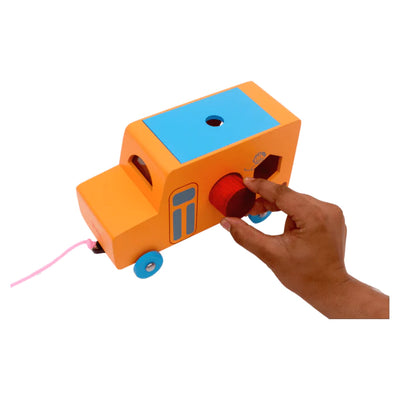
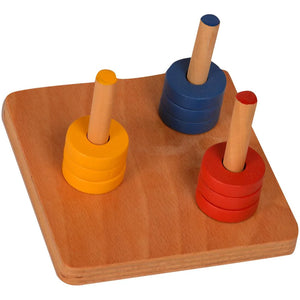
Montessori materials like knobbed cylinders, geometric puzzles, and practical life activities such as pouring and scooping are excellent for refining these skills. For Indian homes, integrating tasks like sorting small lentils or stringing beads during festivals can naturally boost dexterity. Explore a wide range of materials designed for fine motor skill development at SkilloToys.com.
Cultivating Gross Motor Skills: Strength and Coordination
Gross motor skills involve the larger muscles of the body that enable movements like walking, running, jumping, and balancing. These skills are fundamental for overall physical development, strength, and coordination.
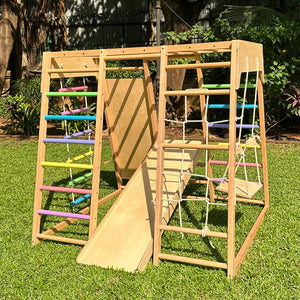
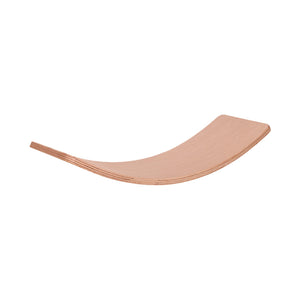
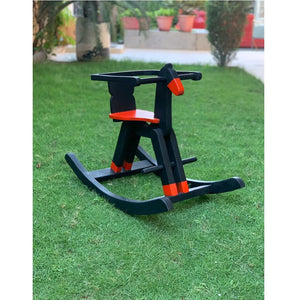
Montessori encourages movement-based learning through activities like walking the line, climbing structures, and engaging with large building blocks. In the Indian context, active outdoor play, traditional games like kho-kho or hopscotch, and even helping with simple chores around a joint family home contribute significantly. Discover engaging options for gross motor skill development to encourage active play.
Choosing the Right Educational Toys: A Parent's Guide in India
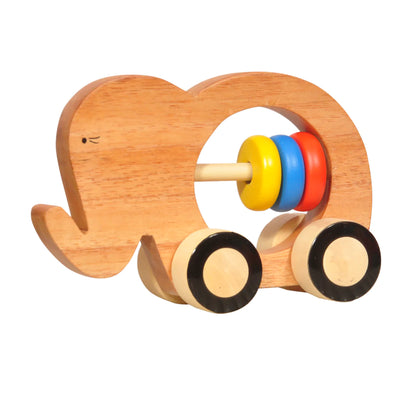
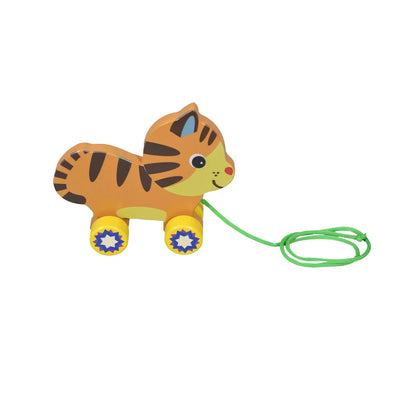
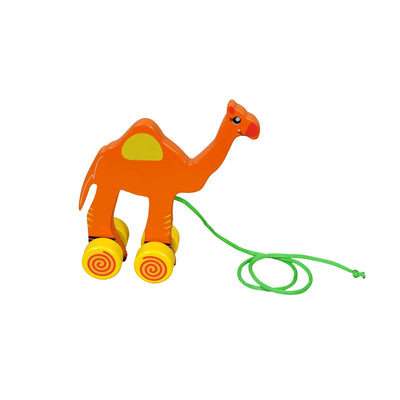
When selecting types of educational toys for motor skill development, Indian parents should prioritize age-appropriateness, safety, and open-ended play potential. High-quality materials, often natural like wood, are durable and provide sensory richness, making them a wise investment for a child's development.
Child development experts agree that toys that allow for multiple uses and encourage imagination offer greater long-term value than single-purpose, battery-operated alternatives. While the market offers a plethora of options, focusing on purposeful tools ensures that investments, even if spending ₹1 lakh on preschool activities is considered, are smart and contribute meaningfully to skill classes and overall growth. Browse our complete collection of Montessori learning materials and toys.
Integrating Montessori Principles into Indian Homes
Creating a Montessori-inspired environment in an Indian home doesn't require a complete overhaul; it’s about thoughtful adaptation. This means providing child-sized tools, establishing accessible "work" areas for toys, and fostering independence in daily routines like dressing or setting the table.
The presence of grandparents in many Indian households offers a unique opportunity for intergenerational learning. Grandparents can engage children in traditional crafts that enhance fine motor skills, or tell stories during outdoor play, encouraging gross motor activity. By observing their child's interests and offering appropriate, engaging materials, parents can seamlessly integrate these powerful developmental tools into everyday life.
- Educational toys are fundamental for developing crucial motor skills in children, supporting holistic growth.
- Montessori educational toys are purposefully designed to foster independence, concentration, and self-correction through hands-on learning.
- Strong fine motor skills are linked to early academic success, including reading and writing abilities.
- Gross motor skills are essential for physical coordination, balance, and overall physical well-being.
- Choosing age-appropriate, safe, and open-ended educational toys ensures maximum developmental benefit.
- Integrating Montessori principles at home involves creating a prepared environment and encouraging independence in daily activities.
What are the core benefits of educational toys for motor skills?
Educational toys specifically designed for motor skills development enhance a child's hand-eye coordination, dexterity, strength, and balance. These benefits are crucial for everyday tasks, academic readiness, and overall physical confidence, directly contributing to a child's independence.
How do Montessori educational toys differ from regular toys?
Montessori educational toys are distinguished by their purposeful design, focusing on a single skill, natural materials, and self-correction. Unlike many regular toys, they encourage independence, concentration, and hands-on learning, allowing children to master concepts at their own pace without adult intervention.
At what age should I introduce motor skill educational toys?
Motor skill educational toys can be introduced from infancy, with age-appropriate options available for every developmental stage. Even young infants benefit from grasping rattles, while toddlers thrive with stacking blocks and puzzles, continually refining their movements and coordination.
Can these toys help prepare my child for school?
Yes, absolutely. Developing strong fine motor skills through these toys, such as holding pencils or cutting with scissors, is directly linked to readiness for writing and other classroom activities. Gross motor skills ensure children have the stamina and coordination needed for playground activities and sitting upright at desks.
How can I integrate these educational toys into a joint family setting?
In a joint family, designate a specific 'work' area for the child's Montessori educational toys, promoting respect for materials and focused play. Encourage grandparents and other family members to observe and gently guide, fostering a shared environment of learning and development that benefits everyone.