Educational Toys for Motor Skills: A Parent's Guide
Choosing the right educational toys for your child's motor skill development is crucial, as studies indicate that early engagement with appropriate learning materials significantly enhances coordination, balance, and dexterity. Parents in India can proactively support their child's physical growth by selecting toys designed to challenge and refine both fine and gross motor skills from a young age, laying a strong foundation for future learning and independence.
Motor skills are the abilities that allow us to control our bodies, performing everything from large movements like walking and running (gross motor skills) to small, precise actions like writing or picking up a small bead (fine motor skills). This matters because robust motor skill development underpins a child's independence, academic readiness, and overall confidence. Indian parents can foster these crucial skills through purposeful play and thoughtfully chosen learning resources.
Why Optimal Motor Skill Development Matters for Indian Children
In India's dynamic and often competitive academic landscape, strong motor skills are foundational for children to thrive, particularly as the nation focuses on the 'padhai pivot' to close school-readiness gaps for Viksit Bharat 2047. Research consistently shows that early exposure to diverse play materials can accelerate motor skill acquisition, with children demonstrating marked improvements in dexterity and coordination when given structured play opportunities. These physical abilities are directly linked to a child's capacity for tasks like writing, drawing, and managing school materials independently, directly impacting their confidence and academic engagement.
Beyond school, well-developed motor skills empower children in their daily lives, from dressing themselves to participating in family activities and festivals. Child development experts agree that a holistic approach to development, encompassing both cognitive and physical aspects, is paramount for a child's overall well-being. Ensuring children have opportunities to develop their motor skills prepares them not just for school, but for a lifetime of active participation and self-reliance.
Understanding Your Child's Motor Skill Milestones
Recognizing your child's developmental milestones is key to selecting the most effective kids learning toys. Infants (0-12 months) typically focus on grasping, rolling, crawling, and eventually sitting and pulling themselves up. Toddlers (1-3 years) progress to walking, running, stacking blocks, and early scribbling, constantly exploring their environment.
Preschoolers (3-5 years) further refine these skills, mastering hopping, jumping, cutting with scissors, and buttoning clothes. Understanding these age-specific achievements helps parents select appropriate educational toys that gently challenge their child to reach the next stage, providing just the right amount of stimulation without overwhelming them. It ensures that playtime is always productive and engaging for their specific developmental phase.
How to Choose Educational Toys for Fine Motor Skills
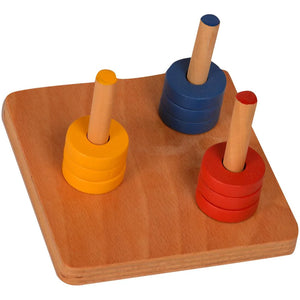
Fine motor skills involve the small muscles in the hands and fingers, essential for precision, dexterity, and hand-eye coordination. Maria Montessori emphasized the importance of materials that engage these skills, such as the iconic Pink Tower, Knobbed Cylinders, and various puzzles. For example, bead stringing activities, pegboards, and lacing cards are excellent for enhancing pincer grip and developing intricate hand movements.
When looking for motor skill development toys, parents should prioritize items that require manipulating small objects, fitting pieces together, or intricate hand-eye coordination. The Times of India recently highlighted "5 fun tricks to supercharge fine motor skills," reinforcing the value of hands-on, playful activities. Explore our curated collection of fine motor skill toys at SkilloToys.com to find ideal choices that promote precision and control.
Selecting Educational Toys for Gross Motor Skills
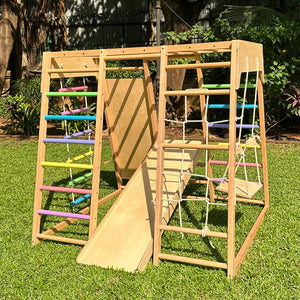
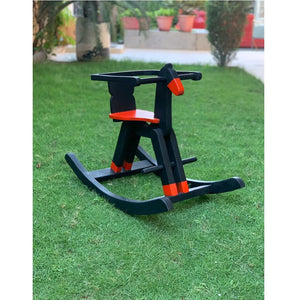
Gross motor skills involve the large muscle groups, crucial for balance, coordination, and strength. Toys that encourage climbing, balancing, pushing, and pulling are vital for developing these foundational abilities. A sturdy rocking horse, a small indoor slide, or even push-and-pull carts can be excellent additions to a child's play area.
Simple activities like rolling a ball in the living room, chasing siblings in the garden, or playing hopscotch in the courtyard with grandparents contribute significantly to gross motor development. Child development experts agree that ample opportunities for large-scale physical play are indispensable for developing core strength, balance, and coordination. When selecting the best educational toys for motor skills, look for items that invite active movement and full-body engagement. Our range of gross motor skill toys is specifically designed to support active play and comprehensive physical development.
Key Considerations When Choosing Educational Toys in India
When selecting educational toys in the Indian context, several factors go beyond just developmental benefits. Safety is paramount; always check for BIS (Bureau of Indian Standards) certification to ensure toys meet strict safety parameters. Durability is another key consideration for Indian households, where toys are often passed down or shared among cousins in joint families.
Opt for open-ended play materials that spark imagination and allow for multiple ways of engagement, rather than single-use toys. Montessori principles advocate for natural, high-quality materials that are inviting to the touch and stimulate the senses. Choosing toys that are non-toxic, made from sustainable materials, and designed for longevity ensures both safety and value. Prioritizing quality over quantity not only aligns with Montessori philosophy but also ensures that your investment in your child's development is sustainable and impactful for years to come. Remember, the best toys encourage exploration and interaction, often serving as springboards for family bonding and shared learning experiences.
- Choosing the right educational toys is vital for holistic child development, enhancing both physical and cognitive skills.
- Montessori-inspired materials specifically target both fine and gross motor refinement through purposeful, child-led activities.
- Age-appropriate kids learning toys are crucial for supporting milestone achievement and fostering school readiness in India.
- Parents should prioritize open-ended, durable, and safe toys that encourage active exploration and imaginative play.
- Integrating play into daily routines, especially with family and grandparents, significantly boosts motor skill development and creates lasting memories.
- Research indicates that strong fine motor skills in early childhood are a key predictor of academic success, particularly in literacy and mathematics.
How early should I start introducing motor skill development toys?
You can begin introducing appropriate stimuli from birth. Even simple activities like tummy time or reaching for rattles are foundational for infants. As children grow, gradually introduce educational toys that match their emerging abilities, like soft blocks for grasping or push toys for early walkers.
Are Montessori toys truly effective for motor skills?
Yes, Montessori materials are highly effective because they are designed with specific developmental goals in mind. They often isolate a single skill, allowing the child to master it independently. This approach, advocated by Maria Montessori, fosters concentration, precision, and coordination, directly benefiting motor skill development.
What's the difference between fine and gross motor skills in toy selection?
Fine motor skills involve small muscle movements, primarily in the hands and fingers, requiring precision. Toys like puzzles, bead stringing, or building blocks target these. Gross motor skills involve large muscle movements, using arms, legs, and torso for activities like crawling, walking, or balancing. Toys such as tricycles, tunnels, or climbing structures support gross motor development.
How can I ensure the educational toys I choose are safe for my child in India?
Always check for BIS (Bureau of Indian Standards) certification, which ensures toys meet specific safety parameters. Opt for non-toxic materials, sturdy construction, and avoid small parts for children under three to prevent choking hazards. Reputable stores like SkilloToys prioritize safety standards for all products.
My child prefers screens; how can I encourage play with motor skill toys?
Gradually introduce engaging, hands-on kids learning toys as an attractive alternative. Start by playing alongside them, demonstrating the fun and excitement. Create a dedicated play area, limit screen time, and involve other family members, like grandparents, in play to make it a shared, enjoyable experience, reinforcing the value of physical interaction.