Educational Toys: Smart Ways for Motor Skill Growth
To effectively use educational toys for motor skill development, parents should focus on guided exploration, offering age-appropriate materials that challenge but don't frustrate, and integrating play into daily routines. Encouraging repetition, fostering independence, and observing a child's natural interests transform simple toys into powerful tools for refining both fine and gross motor skills, ensuring active and purposeful learning. Research shows that early intervention through play significantly impacts a child's school readiness, a crucial aspect for India's journey towards Viksit Bharat 2047.
What are Motor Skills? Motor skills are the abilities that enable the coordinated movements of our bodies, broadly categorized into fine motor (small muscle movements like grasping) and gross motor (large muscle movements like running). This matters immensely because these skills are foundational for everyday tasks, academic success, and overall physical independence. Indian parents can proactively support this development by creating enriching play environments at home, observing their child's natural curiosity.
Beyond Just Playing: The Montessori Approach to Active Learning
While all play is valuable, SkilloToys, India's leading Montessori educational toys store in Bengaluru, advocates for intentional, active learning. Our approach aligns with Dr. Maria Montessori's philosophy, emphasizing self-directed activity, hands-on learning, and collaborative play. This structured yet free environment ensures that children don't just "pass time" but actively build crucial motor pathways through engagement with their surroundings and carefully chosen materials.
This perspective is especially relevant in India, where the pressure for academic readiness often overlooks the foundational role of physical development. Child development experts agree that a strong base in motor skills significantly boosts confidence and cognitive abilities, echoing the recent focus on holistic development in educational reforms.
Understanding Your Child's Developmental Milestones
Before diving into specific activities, it's crucial to understand your child's developmental stage. A toy perfect for a 3-year-old might frustrate an 18-month-old. Observe your child carefully – how they grasp objects, their balance, their coordination. Grandparents often have a keen eye for these subtle cues, drawing from generations of experience. This milestone-aware approach helps you select Montessori learning materials that are just right, providing a gentle challenge without overwhelming.
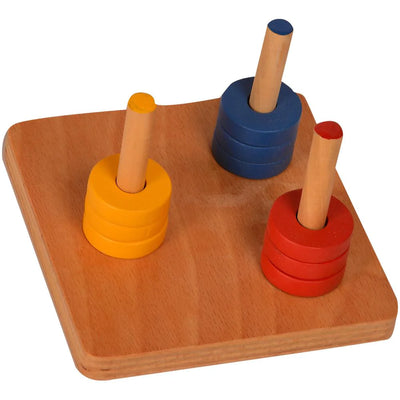
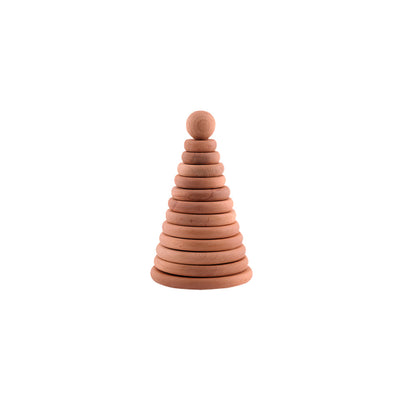
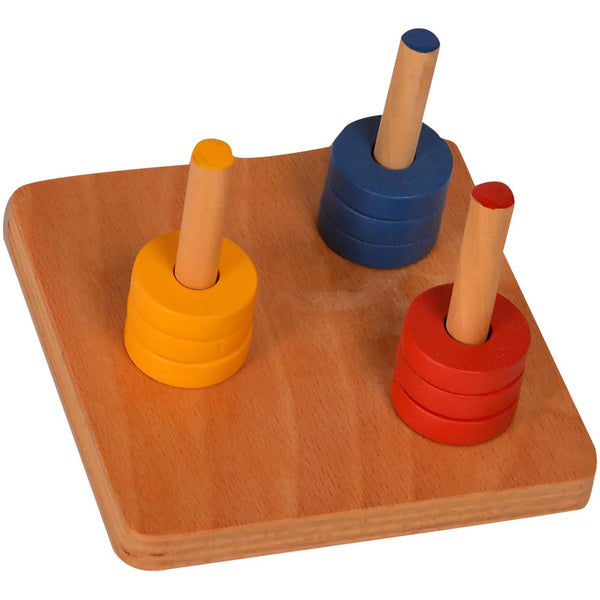
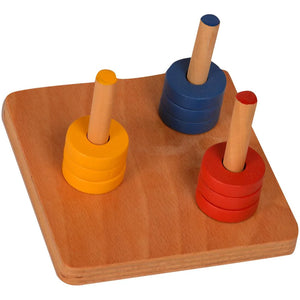
For instance, at 18-24 months, children are typically refining their pincer grasp and beginning to walk confidently. This is the ideal time for stacking rings or simple puzzles. As they approach 3-4 years, complex building blocks or lacing beads become excellent tools for fine motor development, while outdoor play like chasing a ball addresses gross motor needs.
Smart Ways to Use Educational Toys for Enhanced Motor Skill Development
Maximising the benefits of educational toys goes beyond simply presenting them. Here are actionable tips to transform playtime into powerful motor skill training:
1. Encourage Guided Exploration, Not Dictated Play
Instead of telling your child exactly how to play with a puzzle, demonstrate once and then step back. Allow them to explore, make mistakes, and discover solutions independently. This approach, central to Montessori play, fosters problem-solving and strengthens neural connections for motor tasks. It's about being a facilitator, not a director, empowering the child to take charge of their learning journey.
This independent exploration builds confidence and resilience, qualities vital for navigating school and life. Studies indicate that children who engage in self-directed play show greater creativity and initiative compared to those whose play is constantly guided by adults.
2. Integrate Toys into Daily Chores and Routines
Who says motor skill development has to be separate from everyday life? In many Indian homes, children naturally help with ghar ka kaam. Let them sort pulses with you (fine motor), help arrange clothes (hand-eye coordination), or carry lightweight items for festival preparations (gross motor). Use toy kitchen sets to mimic cooking, enhancing dexterity and coordination. This makes learning practical and relatable, a true form of active learning.
For example, a child helping to stack utensils or carry a small basket of laundry is refining their grasp, balance, and coordination without even realizing it's a "lesson." Such activities also teach responsibility and belonging within the family unit, strengthening bonds.
3. Embrace Repetition with Progression
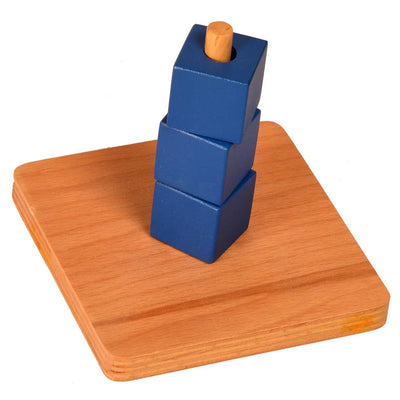
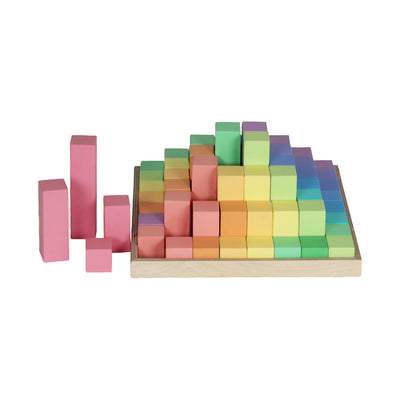
Children learn through repetition. Don't be surprised if your child wants to build the same block tower or complete the same puzzle multiple times. Each repetition refines their motor control and reinforces muscle memory. Once a task is mastered, introduce a slight variation or a more complex version. For instance, after mastering large stacking blocks, move to smaller, more intricate ones, gradually increasing the challenge.
This method ensures continuous growth. Maria Montessori herself observed that children find deep satisfaction in repeated actions that lead to mastery. It's a natural drive to perfect a skill, laying the groundwork for more advanced tasks.
4. Foster Both Fine Motor and Gross Motor Skills
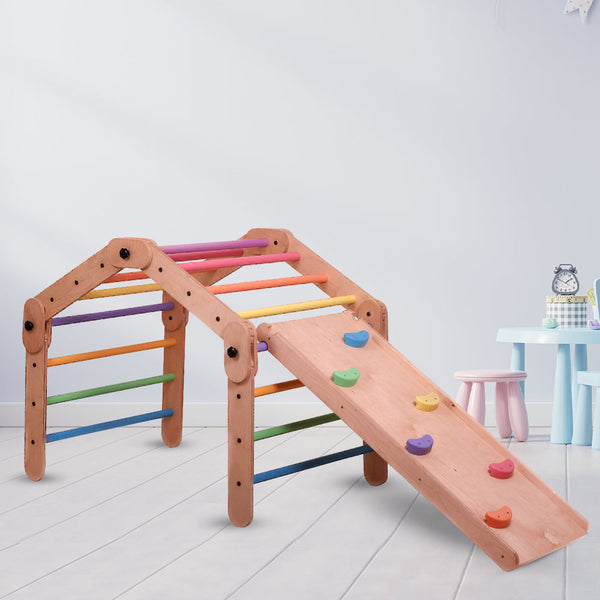
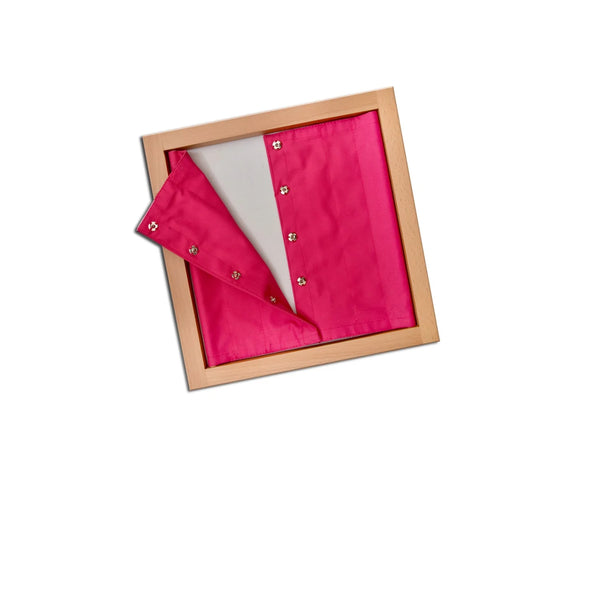
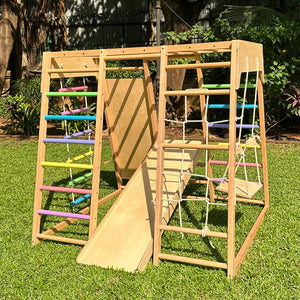
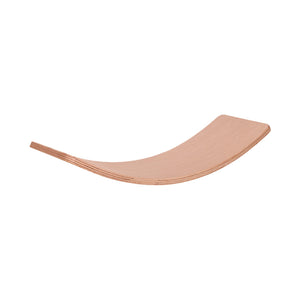
A balanced approach is key. Fine motor skills, involving small muscles in the hands and wrists, are crucial for writing, drawing, and self-care tasks like buttoning shirts. Offer fine motor skill toys like lacing beads, knobbed puzzles, or building blocks. Gross motor skills, involving larger muscle groups, are vital for running, jumping, and overall physical agility. Encourage outdoor play, use tricycles, or invest in gross motor skill toys like balance boards or tunnels.
Both types of skills are interconnected and equally important for a child's holistic development. While fine motor skills might seem more academic, a strong gross motor foundation provides the stability and coordination needed for precise fine motor tasks. As recent studies suggest, engaging in sports and physical activity can significantly improve motor skills, even for children with specific developmental needs, aligning with insights from the Deccan Herald.
5. Create an Engaging and Accessible Play Environment
In Indian homes, often bustling with joint families, creating a dedicated child-friendly space can be challenging but rewarding. Ensure toys are easily accessible at your child's height. Rotate toys periodically to maintain interest and prevent overstimulation. A well-organized, clutter-free space encourages focus and independent play. This thoughtful setup, whether a small corner in the living room or a dedicated play area, signifies respect for the child's autonomy.
The environment itself acts as a third teacher, as Montessori principles highlight. When materials are inviting and orderly, children are more likely to engage purposefully, leading to sustained Montessori play and deeper learning experiences.
Making Every Play Moment Count
Utilising educational toys for motor skill development isn't about rigid instruction but about creating opportunities. By applying these smart strategies – from guided exploration to integrating play into daily life – you're not just buying toys; you're investing in your child's physical prowess, cognitive growth, and overall well-being. SkilloToys, your partner in Bengaluru, is committed to providing high-quality Montessori materials that empower this journey.
Remember, the goal is to nurture confident, capable, and curious children ready to thrive in a rapidly changing world. Active engagement with educational toys is a fundamental step towards achieving this goal, fostering development that extends far beyond the playground.
- Effectively using educational toys for motor skill development requires guided exploration and integration into daily routines.
- Research indicates that early motor skill development is crucial for school readiness and overall cognitive growth in children.
- Maria Montessori's philosophy emphasizes self-directed activity and hands-on learning for optimal skill acquisition.
- Indian parents can foster motor skills by encouraging children to help with simple household chores, linking play to daily life.
- A balanced approach to fine motor (e.g., puzzles, lacing beads) and gross motor (e.g., balance boards, outdoor play) is essential.
- Repetition with gradual progression in tasks strengthens motor control and builds muscle memory.
How do educational toys specifically aid fine motor skill development?
Educational toys like lacing beads, shape sorters, and building blocks encourage children to use small hand muscles for grasping, pinching, and manipulating objects. This precise control strengthens finger and wrist muscles, crucial for tasks like writing and self-dressing.
What is the ideal age to start introducing educational toys for motor skills?
Introducing age-appropriate educational toys can begin as early as infancy, with soft rattles and textured balls for grasping. For more structured motor skill development, 12-18 months is a great time to introduce stacking toys and simple puzzles, aligning with early developmental milestones.
Can outdoor play replace educational toys for gross motor skills?
Outdoor play is excellent for gross motor skills, offering natural opportunities for running, jumping, and climbing. However, educational toys like balance boards, tricycles, or tunnels provide targeted challenges that can complement and enhance these natural movements, offering varied experiences in coordination and strength.
How can parents encourage a child who gets frustrated with a new educational toy?
When a child gets frustrated, parents should offer gentle guidance or simplify the task, rather than taking over. Show them a part of the solution, then let them try again independently. Remember to celebrate effort and persistence, making the learning process positive.
Are educational toys for motor skills beneficial for children with learning differences?
Absolutely. Educational toys, particularly those designed with Montessori principles, provide a tactile and multi-sensory approach to learning that can be highly beneficial. They offer concrete experiences that help bridge developmental gaps and build confidence in children with learning differences.