Hindi Varnamala with Pictures: A Visual Guide for Fine Motor Skills
Utilizing visual aids for hindi varnamala with pictures is a proven method to enhance early literacy and fine motor skill development simultaneously, according to child development experts. These resources include educational toys like tracing boards, flashcards, and interactive books that engage children through sight and touch, fostering better hand-eye coordination and pre-writing readiness essential for young learners across India. This approach directly addresses the need for engaging, hands-on learning, making the process joyful and effective for children in Indian homes.
Fine motor skill development through Hindi Varnamala involves coordinating small muscle movements in the hands and fingers to interact with letters and objects. This matters because strong fine motor skills are crucial for tasks like writing, drawing, and self-care, directly impacting school readiness and confidence. Indian parents can actively support this by providing tactile, visual, and engaging learning materials.
The Undeniable Power of Visuals for Hindi Alphabet with Pictures for Kids
In the foundational years, children are highly visual learners, making the integration of the hindi alphabet with pictures for kids an indispensable tool for early language acquisition. When each letter (Varnamala) is paired with a clear, relatable image – like 'अ' for 'अनार' (pomegranate) or 'क' for 'कबूतर' (pigeon) – it creates a strong neural pathway, aiding memory and recognition. This multi-sensory approach ensures that learning isn't just about rote memorization but about meaningful connections, much like how children learn to identify family members in a photo album.
Research shows that visual learning aids can improve retention rates by up to 65% in preschoolers, making complex concepts like a new alphabet more accessible. As India Today emphasizes the critical role of play-based learning alongside nutrition in a child's holistic development, integrating these vibrant visual resources into daily routines becomes a paramount strategy for Indian parents. This method helps reduce the pressure often associated with early academic milestones, transforming learning into an enjoyable discovery.
Embracing the Montessori Hindi Varnamala for Holistic Development
The Montessori philosophy, championed by Dr. Maria Montessori, inherently understands the child's need for concrete, hands-on experiences, making the montessori hindi varnamala an exceptionally effective approach. Montessori materials are meticulously designed to isolate concepts, allowing children to focus on one skill at a time, such as tracing a letter's form or associating its sound. This self-directed learning fosters concentration, independence, and a deep understanding of the Varnamala structure.
Traditional Montessori materials, like sandpaper letters, provide a tactile experience where children trace the letter with their fingers, feeling its shape. This direct sensory input is invaluable for kinesthetic learners and significantly enhances fine motor control, preparing their hands for writing. Similarly, the movable alphabet allows children to construct words, engaging both their cognitive and motor skills in a truly integrated learning process. Such materials are crucial for children aged 3-6 years, aligning with their sensitive period for language development.
Essential Resources: Hindi Tracing Board and Fine Motor Skills Hindi Development
For developing pre-writing skills and strengthening the small muscles in the hands, a hindi tracing board is an unparalleled resource. These beautifully crafted wooden boards feature engraved Hindi letters, guiding a child's finger or a stylus along the correct stroke order. This repetitive motion refines hand-eye coordination, develops a strong pincer grasp, and builds the muscle memory necessary for fluid writing. It’s a foundational step in mastering the intricacies of Hindi script.
Incorporating activities that specifically target fine motor skills hindi learning is vital for school readiness. Beyond tracing boards, resources like Hindi alphabet puzzles, lacing beads that form letters, or even using child-safe playdough to sculpt Varnamala characters, provide diverse opportunities for skill enhancement. These activities, often enjoyed with grandparents or siblings, make learning a family affair, weaving education into the rich tapestry of Indian family life. Discover a range of such engaging tools that promote fine motor skills on our website.
Selecting the Best Educational Toys Hindi for Lasting Impact
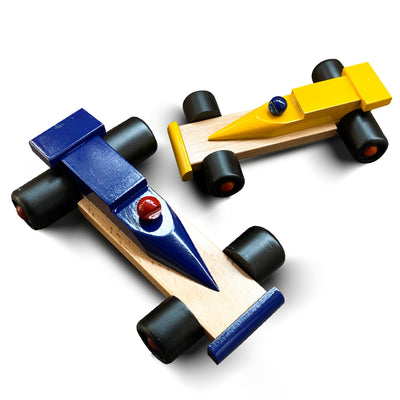
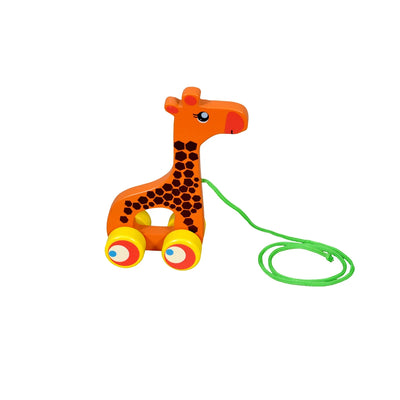
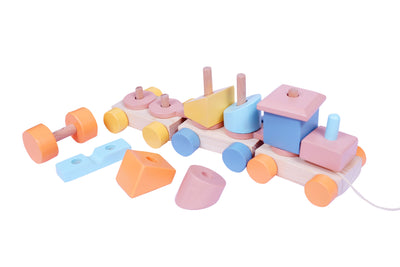
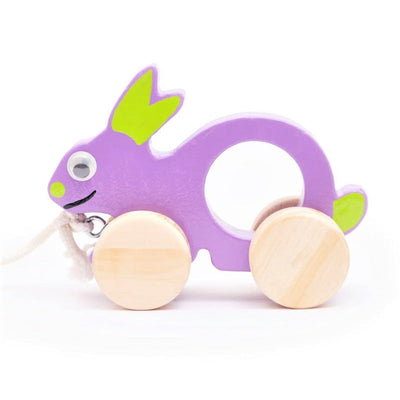
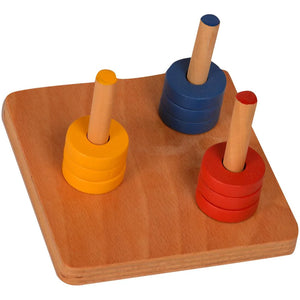
When choosing educational toys hindi for your child, consider resources that are not only engaging but also align with developmental principles. Look for toys that offer multi-sensory experiences, are durable, and allow for open-ended play. High-quality wooden puzzles featuring Hindi letters, flashcards with vivid pictures and corresponding Varnamala, and interactive learning mats are excellent choices. These toys should be free from distractions and encourage focused engagement, reflecting the evolving landscape of preschool education, which, as The Hans India notes, is moving beyond mere ABCs and 123s to embrace deeper, experiential learning.
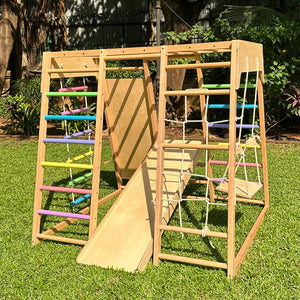
Furthermore, selecting toys that support both gross and fine motor skills ensures balanced development. While our focus here is fine motor, remember that activities like jumping or balancing also support overall coordination which impacts handwriting stability. SkilloToys.com offers a curated selection of Montessori-aligned educational materials designed specifically for the Indian context, ensuring cultural relevance and developmental appropriateness. Studies indicate that children who engage with high-quality educational toys demonstrate a 30-40% faster acquisition of early literacy skills compared to those exposed only to traditional rote methods.
Beyond Structured Toys: Everyday Opportunities for Fine Motor Development
Fine motor skill development isn't confined to dedicated learning sessions; it's woven into the fabric of everyday life in an Indian household. Simple activities like pinching a pinch of salt while helping in the kitchen, stringing beads for a homemade Diwali decoration, or even buttoning traditional Indian clothes, provide excellent practice. Encourage your child to participate in tasks like turning pages of a storybook, using clothes pegs to hang doll clothes, or picking up small lentils (dal) from a tray – under supervision, of course.
These natural, play-based interactions strengthen hand muscles and improve dexterity without feeling like 'work'. They foster independence and a sense of contribution, allowing children to build essential skills within the comfort and routine of their home environment. This holistic approach ensures that fine motor development is integrated into a child's world, making it a continuous and organic process.
- Utilizing visual resources for Hindi Varnamala significantly enhances early literacy and fine motor skills.
- Montessori materials, like sandpaper letters, offer a proven tactile approach to learning Hindi Varnamala and developing fine motor control.
- Hindi tracing boards are essential tools for refining pre-writing skills and building muscle memory for Hindi script.
- Play-based learning with educational toys is critical for improved retention rates and overall child development, reducing academic pressure.
- Everyday household activities in Indian homes provide natural, continuous opportunities for fine motor skill development.
- Children exposed to quality educational toys demonstrate faster acquisition of early literacy skills.
At what age should children begin learning Hindi Varnamala?
Children can begin engaging with Hindi Varnamala visuals and sounds as early as 18-24 months, with formal introduction to letter recognition and tracing often starting around 3-4 years. Early exposure through play-based activities significantly aids readiness.
How do Hindi Varnamala activities improve fine motor skills?
Activities involving Hindi Varnamala, such as tracing, sorting alphabet blocks, or manipulating sandpaper letters, require precise hand and finger movements. This consistent practice strengthens small muscles, improves hand-eye coordination, and develops the pincer grasp essential for writing.
Are digital apps as effective as physical toys for Hindi learning?
While digital apps can supplement learning, research indicates that physical, tactile toys are superior for developing fine motor skills and spatial reasoning. Hands-on interaction with materials like Hindi tracing boards or wooden puzzles provides a multi-sensory experience that apps cannot fully replicate.
What makes Montessori materials ideal for Hindi Varnamala development?
Montessori materials for Hindi Varnamala, such as sandpaper letters and movable alphabet sets, are designed for sensory exploration and self-correction, fostering independence. They allow children to learn through touch and movement, directly linking letter forms to sounds and building fine motor proficiency.
How can I encourage my child if they struggle with Hindi Varnamala?
If your child struggles, focus on making learning playful and pressure-free, celebrating small achievements. Incorporate Varnamala into daily routines, use multi-sensory materials, and allow them to learn at their own pace, reinforcing that progress is more important than perfection.