Homeschooling Curriculum India: Montessori Motor Skills
Integrating Montessori motor skill activities into your homeschooling curriculum in India means thoughtfully designing a home environment that encourages hands-on exploration and purposeful movement. This approach, central to SkilloToys' philosophy, empowers children to develop crucial fine and gross motor skills through engaging, self-directed play and practical life exercises, laying a robust foundation for their overall cognitive and physical development right within the comfort of their Indian home.
Many Indian parents are now exploring homeschooling, seeking personalised learning paths for their children. The challenge lies in creating a comprehensive curriculum that addresses not just academic milestones but also vital physical development. Montessori offers a powerful framework for this, turning everyday actions into profound learning opportunities.
What is Montessori Motor Skill Integration in Homeschooling?
Montessori motor skill integration in homeschooling involves creating a prepared environment with child-sized tools and purposeful tasks that foster independent physical development. This matters because robust motor skills are essential for concentration, problem-solving, and academic readiness. Indian parents can empower their children by introducing practical life activities and sensorial materials tailored to their home setting.
The Montessori Edge for Motor Skills in Indian Homes
Maria Montessori observed that children learn best by doing. For families choosing montessori homeschooling india, this means intentionally providing activities that refine movement, balance, and coordination. Research consistently shows that early motor skill development is directly linked to cognitive growth and even future academic success. The American Academy of Pediatrics highlights the importance of active play in developing essential physical competencies from a young age.
In the context of India's 'padhai pivot' towards closing the school-readiness gap for Viksit Bharat 2047, a strong emphasis on foundational motor skills is paramount. Children who develop these skills early are better equipped for the demands of formal schooling, exhibiting greater independence and problem-solving capabilities. Montessori offers a structured yet flexible way to achieve this.
Crafting a 'Prepared Environment' for Motor Skill Activities
A cornerstone of Montessori philosophy is the 'prepared environment,' which means setting up your home to encourage independent exploration and learning. For motor skills activities homeschooling, this could involve simple, accessible shelves with child-friendly materials. For Aanya, a 3-year-old in a Bengaluru joint family, her 'prepared environment' might be a low shelf in the living room holding a small broom, a pitcher for pouring water, and sorting trays for pulses.
Parents don't need elaborate setups. It's about thoughtful organisation. A small table and chair, materials within reach, and a sense of order invite children to engage. This environment fosters concentration and allows children to repeat activities until mastery, which is crucial for skill development.
Everyday Indian Life: A Natural Motor Skill Classroom
The beauty of Montessori in an Indian home lies in its natural integration with daily life. Many traditional household activities are inherently rich in motor skill development. Consider the following, offering rich opportunities for play-based homeschooling:
- Kitchen Activities: Allowing children to help wash vegetables, sort different kinds of lentils (fine motor, classification), knead dough (gross motor, sensory), or wipe spills. The Deccan Herald recently noted that varied physical activities, like sports, improve motor skills, and these kitchen tasks are a natural extension of active engagement.
- Puja Preparations: Arranging flowers, carefully lighting small lamps (with supervision), or wiping the puja area involves precision and careful movements.
- Household Chores: Sweeping a small area with a child-sized broom, folding small clothes like napkins, or dusting furniture are excellent for developing coordination and a sense of responsibility.
- Festival Activities: During Diwali, helping arrange diyas; for Holi, preparing colours; during Ganesh Chaturthi, decorating the idol – these are all cultural opportunities for rich sensory and fine motor engagement.
These real-world tasks provide genuine purpose, making the learning deeply engaging and relevant to a child's world.
Nurturing Fine Motor Skills for Future Learning
Fine motor skills involve the coordination of small muscles, especially in the hands and fingers, in conjunction with the eyes. These are critical for tasks like writing, drawing, and self-care. For early learning curriculum india, Montessori provides specific tools and activities that target this development.
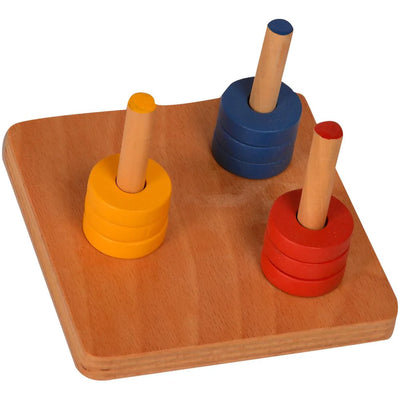
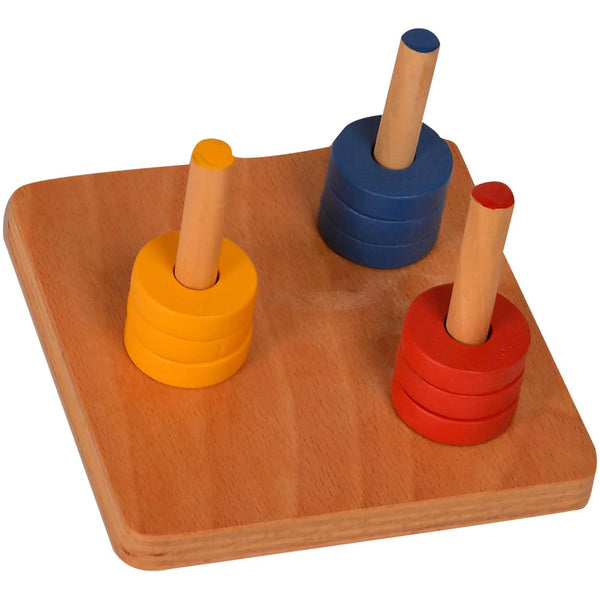
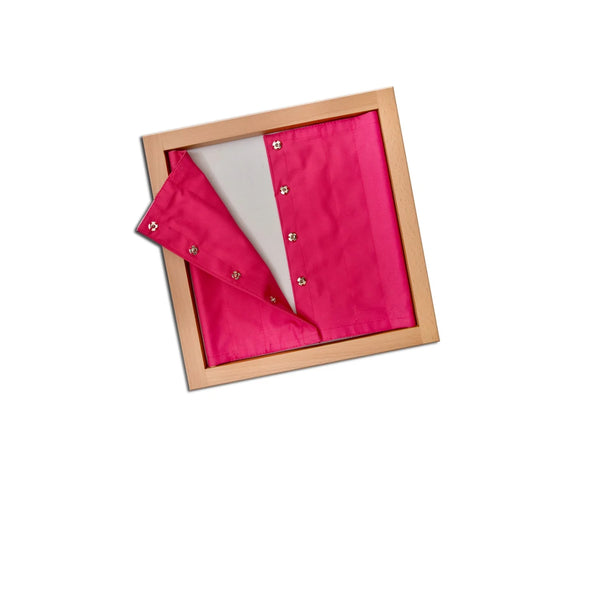
- Practical Life Activities: Spooning, pouring, using tongs, transferring small objects. These seemingly simple tasks build hand-eye coordination, precision, and concentration. Explore our collection of Montessori fine motor skill toys for hands-on options.
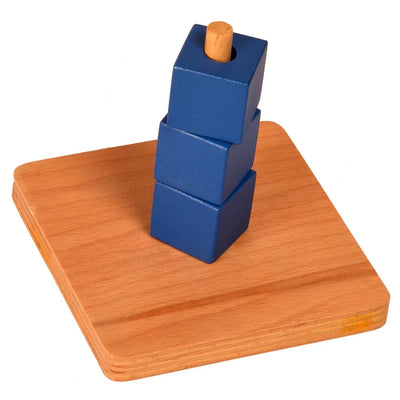
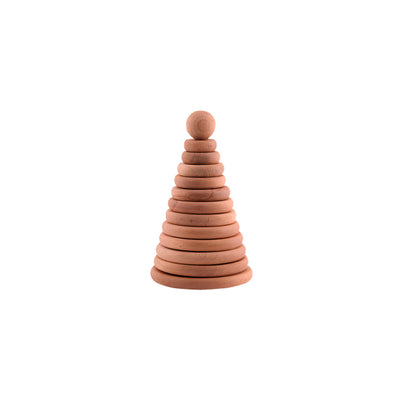
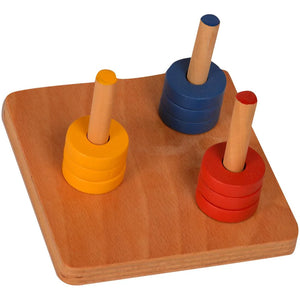
- Sensorial Materials: The Knobbed Cylinders, Pink Tower, or Brown Stair involve grasping, lifting, and placing, which refines the pincer grip and prepares the hand for writing.
- Art & Craft: Activities like tearing paper, using child-safe scissors, stringing beads, or working with clay strengthen finger muscles and coordination.
Child development experts agree that strong fine motor skills are a direct precursor to successful literacy and numeracy, as they support sustained focus and controlled movements essential for academic tasks.
Boosting Gross Motor Skills for Holistic Development
Gross motor skills involve the larger muscles in the torso, arms, and legs, and are crucial for balance, coordination, and overall physical strength. While often seen as separate from academic learning, a child with well-developed gross motor skills tends to have better attention spans and body awareness.
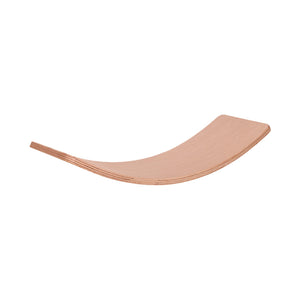
- Movement Exercises: Walking on a line, balancing beams, skipping, or jumping in place. Even in smaller urban flats, designated areas for these can be created.
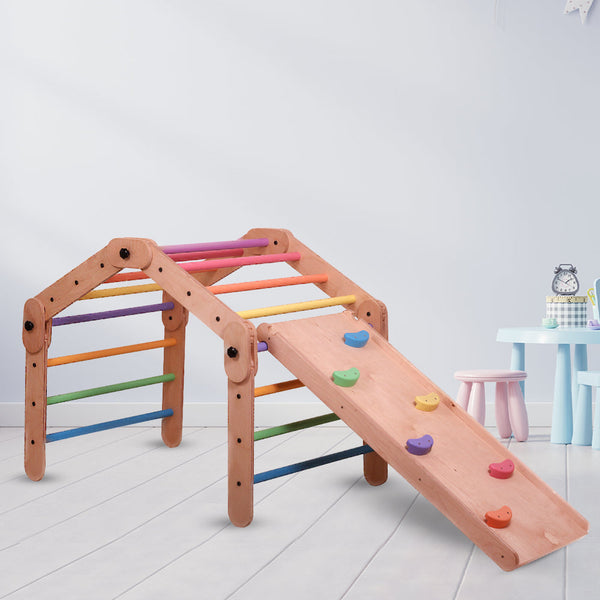
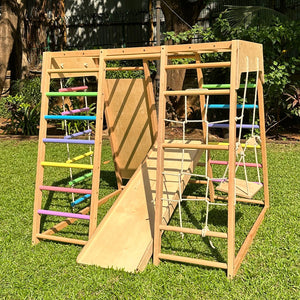
- Outdoor Play: If space permits, climbing, running, and throwing are invaluable. Grandparents in joint families often encourage outdoor play, which is a fantastic natural opportunity for this development. Consider gross motor skill equipment that can be adapted for indoor or small outdoor spaces.
- Yoga & Movement Games: Simple children's yoga poses or movement games that involve stretching and balancing can be incorporated daily.
The importance of physical activity for overall development is undeniable. Hindustan Times highlighted key developmental signs in children under two; a child's ability to move purposefully is a fundamental indicator of healthy development, encompassing their gross motor progress.
Monitoring Milestones and Celebrating Progress
As you integrate Montessori motor skills into your homeschooling, observe your child closely. Maria Montessori advocated for careful observation to understand a child's readiness and interests. The Indian Academy of Pediatrics (IAP) provides detailed developmental milestones that can guide you, though remember every child progresses at their own pace.
Look for signs of increased independence, sustained concentration during tasks, improved coordination, and a growing sense of satisfaction from completing activities. Celebrate their efforts and achievements, no matter how small. This positive reinforcement encourages them to continue exploring and mastering new skills.
By thoughtfully applying Montessori principles, homeschooling curriculum india can provide a rich, engaging, and developmentally appropriate learning environment right in your home. SkilloToys.com offers a curated range of authentic Montessori learning materials that support this journey, empowering your child to build a strong foundation for a lifetime of learning and discovery.