Sports for Autistic Children Motor Skills: A Bengaluru Guide
Recent research underscores a significant finding for parents in India and worldwide: sports for autistic children motor skills development can be profoundly beneficial. A study highlighted by Deccan Herald indicates that engaging in physical activities markedly improves motor skills in children with autism, offering a proactive pathway to enhanced physical and cognitive development. This insight is crucial for Bengaluru parents navigating their child's unique developmental journey, particularly when looking for effective strategies.
Combining the structured, purposeful movements inherent in sports with the sensory-rich, child-led principles of Montessori education creates a powerful, holistic approach. This article will explore how these two seemingly distinct methods can work in tandem to support motor skill acquisition, balance, coordination, and overall well-being for children with autism.
What is Autism and Motor Skill Development?
Autism Spectrum Disorder (ASD) is a neurodevelopmental condition characterised by differences in social interaction, communication, and often by restricted or repetitive behaviours. Motor skill development in children with autism frequently presents challenges, impacting everything from basic movements like walking and running to fine motor tasks like writing or dressing.
Research shows that up to 80% of children with autism experience some form of motor delay. This matters because strong motor skills are fundamental not just for physical independence but also for social engagement, academic success, and self-confidence. Indian parents can actively support this development by understanding and implementing targeted interventions early.
Why Sports Matter: New Research for Autistic Children's Motor Skills
Child development experts agree that physical activity is vital for all children, but its benefits are amplified for those with autism. The recent study featured in Deccan Herald, examining the impact of physical activity on autistic children, reinforces what many practitioners have observed: structured sports can significantly improve both gross and fine motor skills. This includes improvements in balance, coordination, agility, and even manual dexterity.
For a child like 6-year-old Arjun in a busy Bengaluru household, struggling with throwing a ball or maintaining balance on one foot, these improvements can be life-changing. Sports provide a predictable environment where repetition leads to mastery, building neural pathways that support movement planning and execution. The consistent input from activities like swimming, cycling, or adapted yoga can help regulate sensory systems, contributing to better focus and reduced anxiety.
Studies indicate that regular physical activity (at least 60 minutes daily) can also enhance executive functions, social skills, and reduce repetitive behaviours in children with autism. These are profound benefits of sports for autism that extend far beyond just physical prowess, positively influencing communication and interaction with peers and family during festivals or school events.
Montessori's Unique Role in Autism Physical Development Activities
Maria Montessori's philosophy, with its emphasis on a prepared environment and self-directed learning, offers a uniquely effective framework for autism physical development activities. Montessori materials are meticulously designed to be multi-sensory, self-correcting, and appeal to a child's natural curiosity, making them ideal for children with autism who often thrive on structure and predictability.
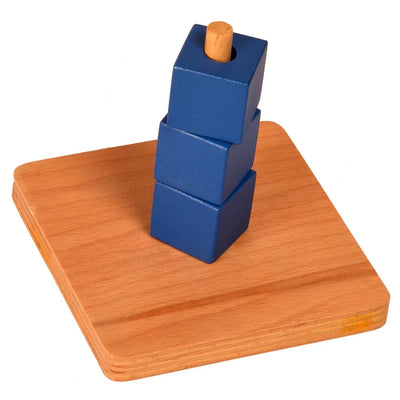
Consider the 'Pink Tower' or 'Broad Stair' – these materials engage a child's visual and tactile senses while refining hand-eye coordination and spatial awareness, crucial for Montessori activities for autism. The repetitive nature of completing a Montessori task, such as threading beads or fitting cylinders, provides the focused attention and sensory input that many autistic children seek, fostering concentration and fine motor development.
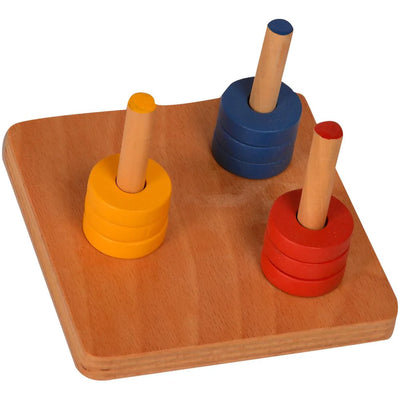
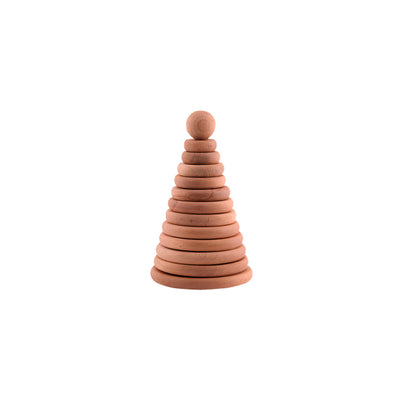
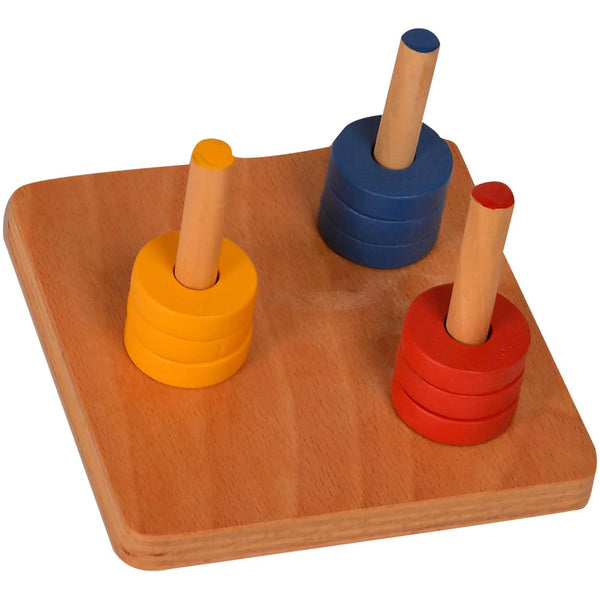
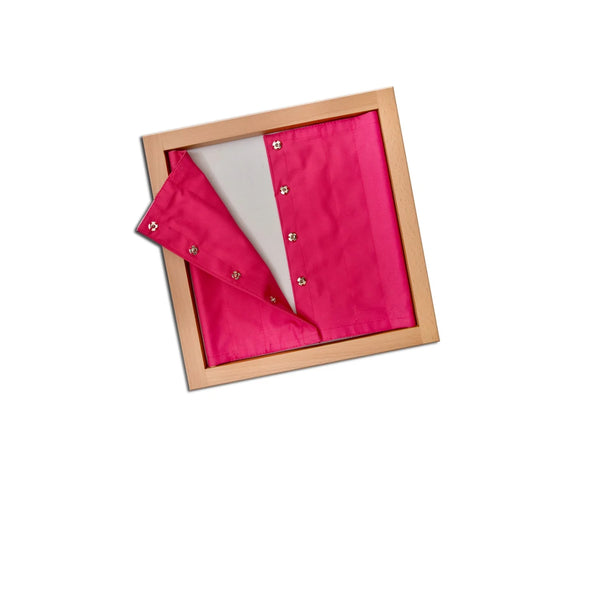
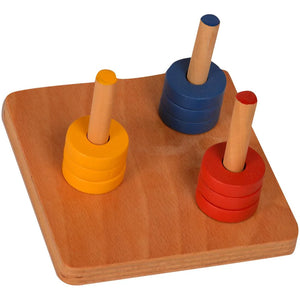
At SkilloToys, our collection of Montessori learning materials and fine motor toys are designed to break down complex skills into manageable steps. For instance, a child learning to stack rings or manipulate shape sorters is developing the foundational motor planning and precision needed for more complex tasks, whether it's catching a ball or writing their name.
Combining Strengths: Sports and Montessori for Gross Motor Skills Autism
The true power lies in integrating these approaches. While sports offer broad physical challenges, Montessori activities can provide the underlying skills and structured environment needed to excel in those challenges. For developing gross motor skills autism, think about a progressive approach.
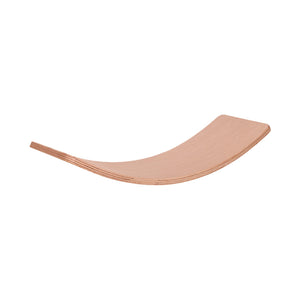
A child might first practice balancing on a Montessori balance board, honing their core strength and equilibrium in a controlled indoor setting. This foundation then translates to greater confidence and stability when running or playing hopscotch outdoors. Similarly, manipulating large wooden blocks or carrying objects across a room (a practical life Montessori activity) builds strength and coordination that prepares them for sports like throwing a ball or navigating an obstacle course.
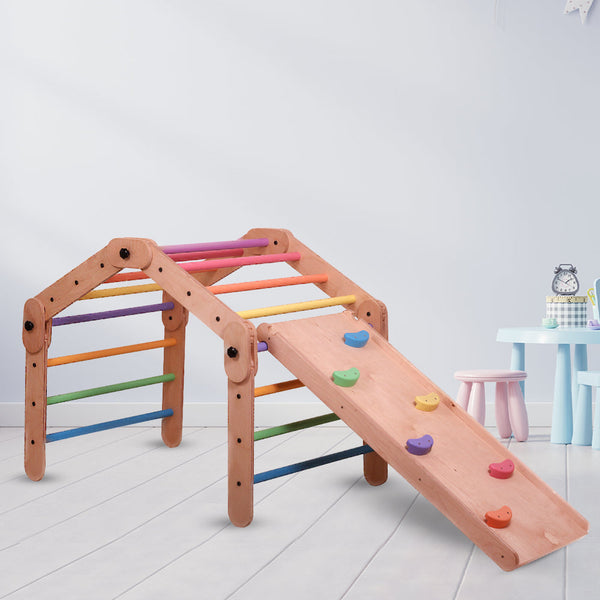
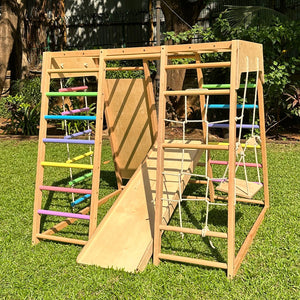
Activities involving movement and balance, such as walking on a line or transferring water using small pitchers, are simple yet profound ways to engage both gross and fine motor skills within a Montessori framework. These purposeful movements prepare the body and mind for more dynamic physical play. SkilloToys offers a range of gross motor skill toys that can be seamlessly incorporated into home-based play, even in smaller Indian apartments, encouraging movement and exploration.
Practical Steps for Bengaluru Parents: Bringing it Home
Integrating sports and Montessori principles into your child's daily routine doesn't require drastic changes; often, it's about intentionality. For a parent like Mrs. Sharma, whose 4-year-old daughter Aarya has autism, balancing therapy appointments, school pressure, and family life in a joint family can be challenging. Here's how to start:
- Observe and Adapt: Pay close attention to your child's interests and sensitivities. If loud noises or crowded spaces are overwhelming, start with individual sports like swimming or cycling in a quieter park. Montessori's core principle is following the child.
- Structured Play Zones: Designate a small, clutter-free area at home for Montessori-inspired activities. This could be a mat with a few carefully chosen toys that encourage stacking, sorting, or threading. This provides a predictable 'work' space.
- Everyday Movement: Turn household chores into gross motor opportunities. Asking your child to carry a lightweight basket of clothes, help sweep the floor, or water plants outdoors builds strength and coordination. Dadi's traditional oil massages also provide proprioceptive input, enhancing body awareness, a concept modern therapists often utilize.
- Outdoor Exploration: Bengaluru's many parks offer great spaces. Encourage running, climbing on safe play structures, or simply exploring different textures underfoot. Even during festivals, incorporate movement – helping set up decorations or dancing to music can be valuable.
- Early Intervention Matters: The Hindustan Times recently highlighted paediatrician insights on developmental signs before age two, including not responding to their name. These early indicators emphasize the need for proactive engagement, including motor skill support. The sooner we start, the greater the impact.
- Focus on Process, Not Perfection: The goal isn't Olympic medals or perfectly executed Montessori tasks, but consistent engagement and joyful exploration. Celebrate effort and small improvements.
By thoughtfully blending the dynamic energy of sports with the focused calm of Montessori, you can create a robust framework for your child's physical development. SkilloToys is committed to providing resources and tools that empower Indian parents to foster a love for learning and movement in every child, nurturing their potential step by purposeful step.