Telugu Letters with Pictures: Boost Fine Motor Skills
Engaging with telugu letters with pictures actively develops a child's fine motor skills, hand-eye coordination, and pre-writing abilities by requiring precise movements like tracing, picking up, and manipulating objects. This foundational work, crucial for school readiness, goes beyond simple recognition, fostering dexterity through tactile interaction with language.
For many Indian parents, particularly those in bustling cities like Bengaluru, ensuring a child masters their mother tongue while also preparing them for school is a priority. Often, the focus remains on cognitive development – memorising the alphabet, recognising words. However, research consistently shows that physical development, especially fine motor skills, is inextricably linked to early academic success and overall independence. Neglecting this connection means missing a powerful opportunity.
What Are Fine Motor Skills?
Fine motor skills involve the precise coordination of small muscles in the hands and fingers, working in conjunction with the eyes. This crucial developmental area allows children to perform tasks requiring dexterity, such as holding a crayon, using a spoon, or buttoning their clothes. For an Indian child navigating school, strong fine motor skills are the bedrock for writing, drawing, and engaging with classroom materials effectively.
The Unseen Work: Telugu Letters as Fine Motor Training
When a child interacts with telugu letters with pictures, they aren't just learning language; they're engaging in a sophisticated workout for their tiny hands. Consider a 3-year-old in a Bengaluru home, carefully picking up a wooden Telugu letter 'అ' (a) and placing it next to an image of 'అమ్మ' (amma). This seemingly simple act involves the pincer grasp, hand-eye coordination, and spatial reasoning. Each time they trace a curved letter like 'క' (ka) or a looped one like 'ల' (la), they are strengthening the finger muscles and refining the control needed for future handwriting.
Child development experts agree that activities requiring varied finger movements, from pinching to swiping, build neural pathways essential for cognitive function. Dr. Maria Montessori famously emphasised the 'hand-mind' connection, believing that hands are the instruments of intelligence. Offering children multi-sensory materials for learning Telugu letters aligns perfectly with this principle, turning language lessons into robust fine motor skill exercises.
The Montessori Link: Fine Motor Skills in Telugu Letter Learning
The Montessori method offers a powerful framework for integrating language and physical development. Central to this approach are tactile materials that engage the senses. For fine motor skills telugu learning, this often translates into sandpaper letters or embossed wooden letters. Imagine your child running their finger along the rough texture of a Telugu consonant – this kinesthetic experience etches the shape into their muscle memory, preparing them for writing long before they pick up a pencil.
This hands-on interaction develops what is known as 'stereognostic sense' – the ability to identify objects by touch alone. As little Rohan, a preschooler in Hyderabad, traces the curve of 'త' (tha) or the line of 'డ' (da), he is not just learning the alphabet but also developing finger isolation and control. These are fundamental for tasks like tying shoelaces or cutting with scissors, proving that early language activities have far-reaching developmental benefits.
Preparing for Writing: Montessori Pre-Writing Activities
Montessori education views writing as a natural outgrowth of a child's exploration and mastery of their environment. Montessori pre-writing activities for Telugu letters lay a solid foundation by focusing on indirect preparation. Before ever holding a pen, children practice the necessary hand movements and strengthen their grip through various purposeful tasks. This includes activities like transferring small beads with tongs, lacing beads, or working with puzzles.
For instance, a child might use a small sponge to wipe up water, mimicking the light-to-heavy pressure changes needed for writing. Or they could use a dropper to move coloured water, refining their pincer grasp. When applied to Telugu, this could involve placing small, colourful beads along the outline of a printed letter 'ణ' (na) or using a tiny brush to 'paint' water onto a chalked 'మ' (ma) on a slate. These activities are enjoyable for children and are powerful for building the strength and control required for forming Telugu characters.
Enhancing Hand-Eye Coordination with Telugu Alphabet Learning
Integral to fine motor development is robust hand-eye coordination activities. When children engage with telugu alphabet learning kids materials, their eyes guide their hands in precise movements. Think of a child fitting a Telugu letter puzzle piece into its correct slot, or drawing a line from a letter 'చ' (cha) to a picture of 'చక్రం' (chakram – wheel). Each action requires the brain to interpret visual information and direct the hands to respond accurately.
This visual-motor integration is crucial not only for writing but also for reading fluency. A child who can track their finger along a line of Telugu text or accurately copy a shape from a whiteboard is building essential skills that will serve them throughout their academic journey. Activities like sorting letter cards, stacking letter blocks, or even playing simple matching games with Telugu words and pictures significantly contribute to this vital skill set.
Bringing it Home: Practical Activities & Educational Toys for Telugu Language Development
Parents play a pivotal role in creating a rich environment for learning. You don't need elaborate setups; everyday objects can become powerful tools. For example, during festivals, tracing rangoli patterns on the floor or stringing flowers for decorations can build similar hand muscles. Even stirring batter for dosas can strengthen wrist control.
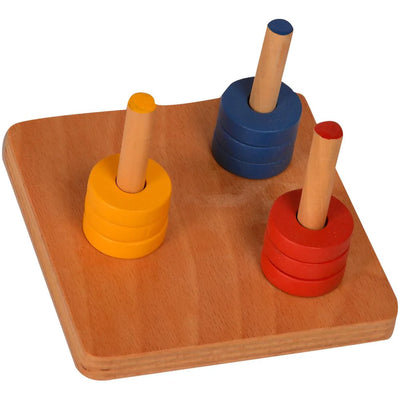
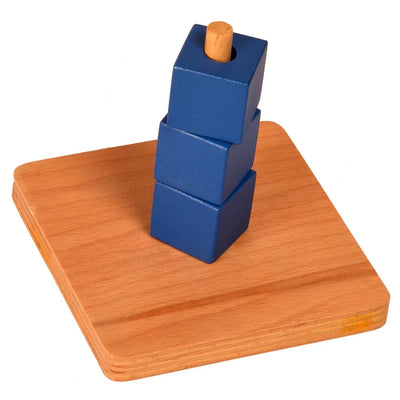
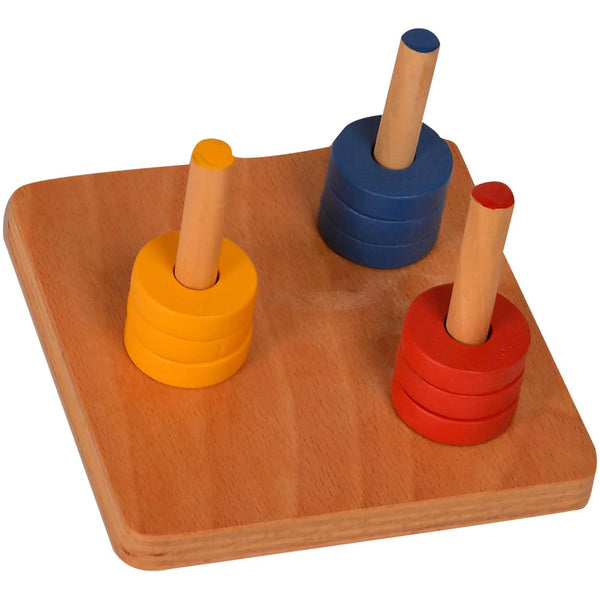
When it comes to specific materials, consider investing in Montessori learning materials that encourage interaction. Wooden Telugu alphabet puzzles, tracing boards with recessed letters, or even simple laminated cards with pictures for matching are excellent choices. SkilloToys offers a range of fine motor skill toys designed to support these developmental milestones.
Encourage your child to:
- Trace Telugu letters in sand, salt, or on a fogged-up windowpane.
- Use clothespins to clip picture cards to corresponding Telugu letters.
- Form Telugu letters using playdough or clay, focusing on the curves and lines.
- Engage with multi-sensory Telugu letter cards – some with glitter, some with felt, some with a smooth finish.
Beyond the Classroom: The Bigger Picture of Development
While this article focuses on the direct link between Telugu letters and fine motor skills, it's important to remember that development is holistic. As a recent Deccan Herald study highlighted, even sports can significantly improve motor skills in children, including those with autism. Whether it's the precise hand movements in learning a new language or the broad strokes in playing cricket, every activity contributes to a child's physical dexterity and cognitive growth.
By consciously integrating fine motor skill development into Telugu language learning, you're not just teaching your child to read and write; you're equipping them with foundational physical abilities that will support their learning across all subjects and foster greater independence in their daily lives. The pride in seeing their own name written in Telugu, formed by their own skilled hand, is a milestone worth celebrating.