Toddler Activity Levels & Motor Skills: Genes & ADHD Link
Research indicates that variations in a child's genetic makeup can significantly influence their inherent toddler activity levels and motor skills, with recent findings from IndiaMedToday linking these genetic differences to a heightened risk of ADHD. Understanding these innate predispositions allows parents to support their child's development uniquely, recognizing that high energy isn't always a behavioural choice but often a biological trait. Montessori principles offer a structured yet free environment to channel these varying activity levels effectively.
Toddler activity levels refer to a child's inherent energy output and movement frequency, from quiet focus to constant motion. Motor skills encompass their developing ability to control body movements, including gross motor actions like running and climbing, and fine motor tasks such as grasping and manipulating small objects. Understanding both is key for nurturing balanced physical and cognitive development.
Understanding Genetic Influence on Child Activity Levels
It's natural for parents to wonder why their child is always on the go, while another child might prefer calmer play. Child development experts now agree that a significant portion of a child's innate activity level, and thus their physical expression, is shaped by genetic factors. This means that a child's boundless energy isn't necessarily a reflection of their upbringing, but often a biological predisposition passed down through generations.
The Science Behind Individual Differences
Recent studies, like the one reported by IndiaMedToday, are shedding light on specific genetic markers associated with higher activity levels in toddlers. While specific Indian statistics on genetic links to ADHD are emerging, global research suggests that genetic factors account for a substantial portion of the variability in activity levels among young children. This insight empowers parents to move beyond conventional labels and embrace a more nuanced understanding of their child's temperament and needs.
Consider little Rhea, a two-and-a-half-year-old in a bustling joint family in Bengaluru. Her boundless energy, often mistaken for naughtiness by relatives, might actually stem from these very genetic factors. Instead of trying to curb her natural inclination, acknowledging this genetic influence helps parents and grandparents find appropriate outlets for her vigour, transforming potential frustration into purposeful play.
Connecting Toddler Activity, Motor Skills, and ADHD Risk
The link between genetically influenced high toddler activity, developing motor skills, and an increased risk of ADHD is a topic of growing importance for parents and paediatricians alike. While not all highly active children will develop ADHD, understanding this connection allows for proactive observation and support. ADHD, characterised by difficulties with attention, hyperactivity, and impulsivity, can manifest early in a child's life, and a child's activity levels are often an initial indicator.
Early Signs and Observation for Indian Parents
For Indian parents, observing a child's developmental milestones is crucial. As highlighted by Hindustan Times, developmental signs before age two, such as a child not responding to their name, are critical indicators. Similarly, persistent patterns of extremely high activity that interfere with daily routines, combined with challenges in sustained attention or impulse control, warrant careful observation. The American Academy of Pediatrics (AAP) consistently highlights the importance of early intervention and observation for developmental differences.
It's important to differentiate between typical toddler energy – which is immense and necessary for gross motor development – and activity that seems consistently disorganised or unproductive. A child who constantly runs and climbs, engaging their gross motor skills in varied ways, is different from one whose activity seems aimless and coupled with an inability to focus even on preferred activities for short periods.
Montessori for Active Toddlers: Channeling Energy Productively
Maria Montessori's philosophy, built on observing the child, offers a powerful framework for supporting toddlers with varying activity levels. Instead of viewing high energy as a problem to be controlled, Montessori sees it as a vital force for learning and development. The key lies in creating a 'prepared environment' that channels this energy into purposeful, skill-building activities.
Creating a Prepared Environment for Understanding Child Motor Development Differences
A Montessori-inspired home or classroom in India offers freedom of movement within clear boundaries. This allows a highly active child to move, explore, and engage with materials that naturally draw their concentration. For instance, a child with high energy can be drawn to practical life activities like pouring water, sweeping, or transferring objects, which not only refine fine motor skills but also provide sensory input and a sense of purpose. This approach fosters independence and self-regulation, skills crucial for all children, especially those genetically predisposed to higher activity.
Many Indian parents, particularly in metros like Bengaluru, face societal pressure to see their children excel academically, sometimes overlooking the crucial role of robust physical development. Grandparents, with their traditional wisdom, often instinctively encourage outdoor play, which aligns perfectly with modern developmental science and Montessori's emphasis on movement and sensory exploration.
Practical Montessori Activities for Bengaluru Homes
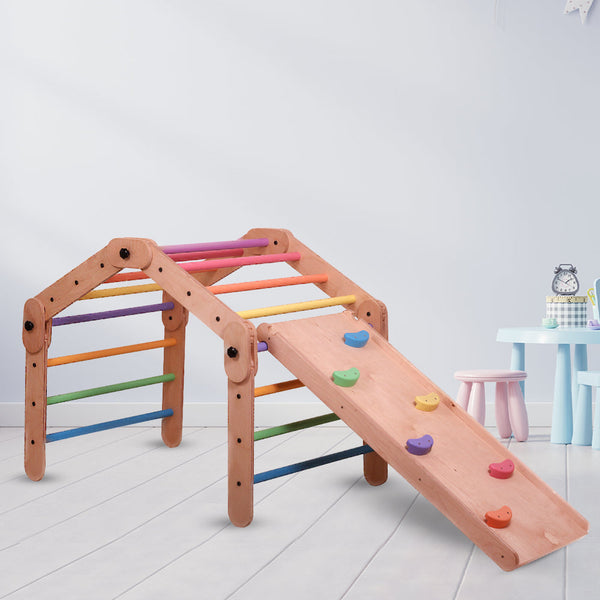
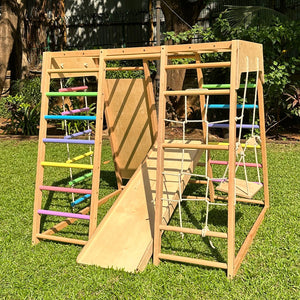
Even in smaller Bengaluru apartments, a Montessori approach can thrive. Dedicate a 'yes' space where your toddler can move freely and safely. Offer materials that encourage both gross motor and fine motor development. For an active child, consider a low climbing frame, a balancing beam, or even simple activities like carrying a pitcher of water (supervised) or pushing a small cart.
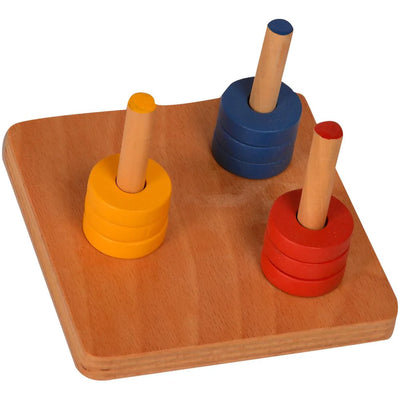
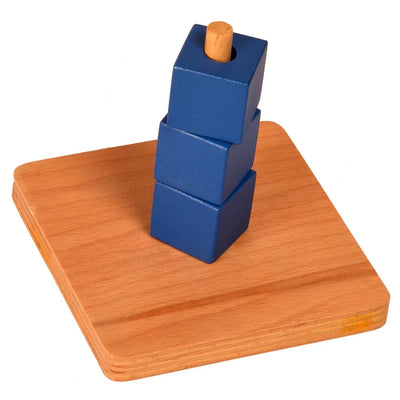
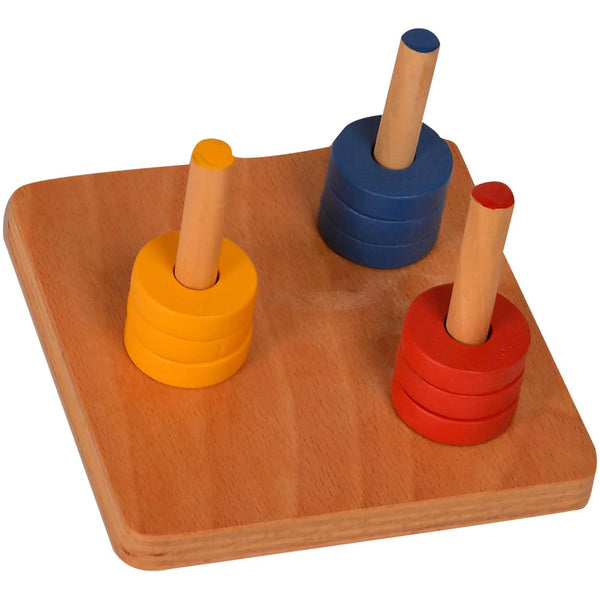
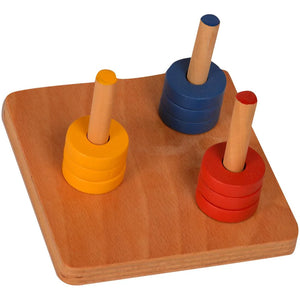
For fine motor development, provide sorting activities with large beads, simple puzzles, or stacking blocks. The satisfying clunk of one block landing on another, the frustrated grunt when a tower falls, and the delighted shriek when it stays up – these are all moments of intense learning. SkilloToys.com offers a range of Montessori learning materials that are perfect for creating such an engaging environment, helping your child channel their activity into meaningful growth.
Understanding the genetic underpinnings of your child's activity levels isn't about diagnosis, but about empathy and empowerment. By observing their unique needs and providing a responsive environment, especially one inspired by Montessori principles, Indian parents can nurture their child's motor skills and holistic development, preparing them not just for school, but for a lifetime of joyful learning.