Wooden Toys for Kids: Motor Skill Milestones & Montessori Play
When we talk about holistic child development, especially in bustling Indian homes, the role of purposeful play is paramount. High-quality wooden toys for kids are not just aesthetically pleasing; they are fundamental tools for building essential physical abilities. Research shows that engaging with diverse Montessori wooden toys directly impacts a child's fine and gross motor skills development, laying a robust foundation for future learning and independence.
Montessori motor skill development is the progression of a child's coordinated movements, from the tentative grasp of an infant to the confident leap of a preschooler, guided by purposeful activities. This matters because robust motor skills are foundational for cognitive growth, independence, and school readiness, a key component in India's 'Viksit Bharat 2047' vision. Indian parents can integrate thoughtfully chosen wooden toys to support this crucial journey at home, nurturing their child's potential.
The Foundational Role of Montessori Wooden Toys for Kids
Child development experts agree that the tactile and manipulative nature of Montessori wooden toys offers unparalleled benefits. Unlike electronic gadgets that often dictate play, wooden toys invite children to actively engage, experiment, and solve problems using their own ingenuity. This active engagement is critical for strengthening neural pathways and refining muscle control.
A study published in the Indian Journal of Pediatrics highlighted the importance of early intervention through play-based learning for motor development in children. Montessori wooden toys provide that structured yet self-directed environment, allowing children to progress at their own pace, crucial for individual growth.
Nurturing Fine Motor Skills Development with Wooden Toys
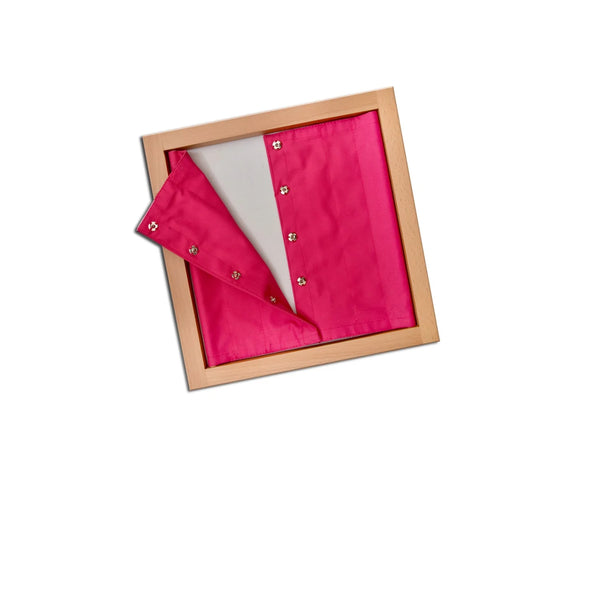
Fine motor skills involve the coordination of small muscles, typically in the hands and fingers, in conjunction with the eyes. These skills are vital for everyday tasks from holding a spoon to writing. Montessori principles emphasize hands-on exploration to develop this precision.
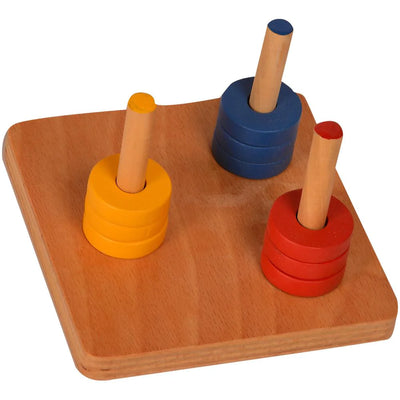
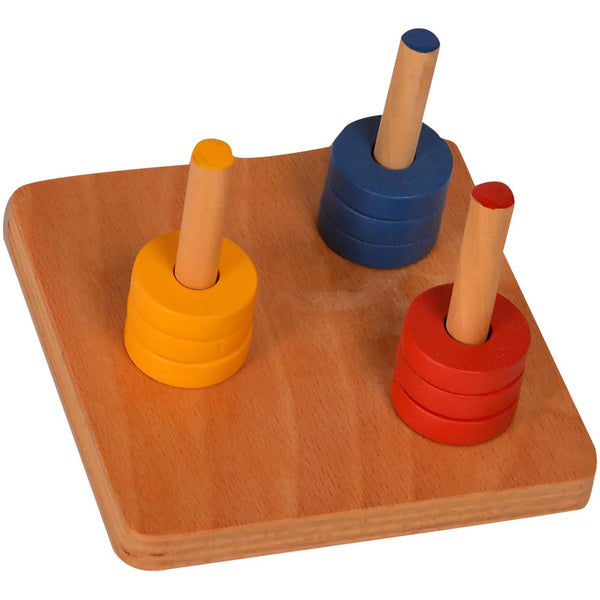
Wooden puzzles for kids, for instance, challenge children to grasp knobs, rotate pieces, and fit shapes into specific slots, refining the pincer grip and hand-eye coordination. Stacking blocks and threading beads demand careful manipulation, improving dexterity and concentration. You can explore a range of fine motor skill toys at SkilloToys.com.
Empowering Gross Motor Skills Development with Wooden Toys
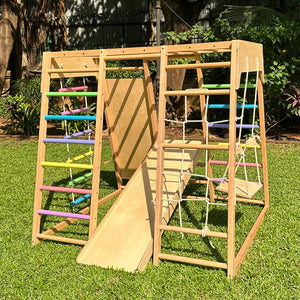
Gross motor skills involve the larger muscle groups used for walking, running, balancing, and jumping. These movements are essential for mobility, stability, and developing a sense of spatial awareness. Wooden toys can be surprisingly effective in fostering these larger movements even in smaller urban apartments.
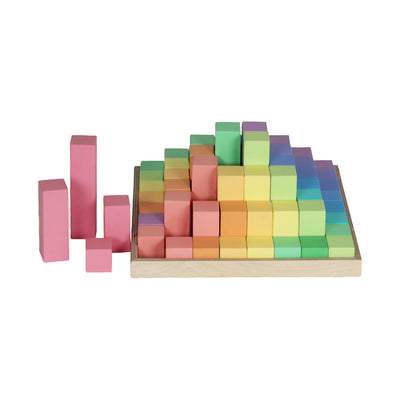
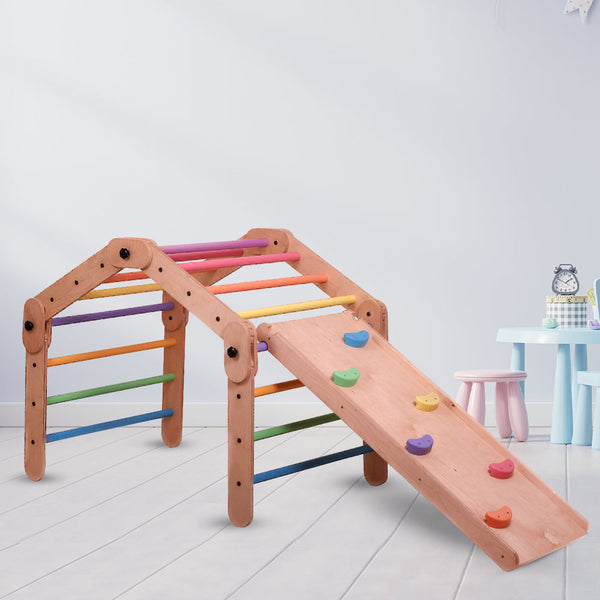
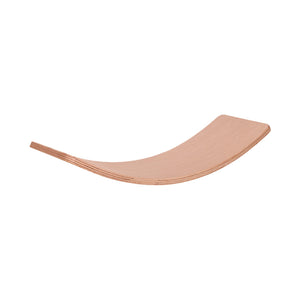
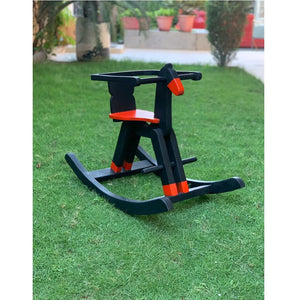
Push and pull toys encourage crawling and walking, while simple wooden rocking horses or balance boards build core strength and equilibrium. Even larger wooden blocks, when used for building forts or tunnels, require lifting, carrying, and balancing, actively engaging a child's entire body. Explore our collection of gross motor skill toys.
Choosing Educational Wooden Toys for Each Milestone
Selecting the right educational wooden toys means understanding your child's developmental stage. Maria Montessori observed distinct planes of development, and choosing toys that align with these stages maximizes their impact. Here's a guide for Indian parents to support specific motor skill milestones.
Infancy (0-1 Year): Sensory Exploration & Early Grasping
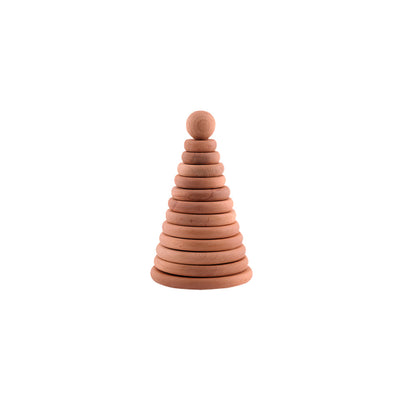
In the first year, babies are sensory explorers. Simple wooden rattles, grasping beads, and ring stackers are perfect. The natural texture and weight of wood provide rich sensory input. A three-month-old Maya in a joint family in Bengaluru, for example, will be captivated by a wooden rattle she can shake, stimulating her grasp reflex and auditory processing.
As they near one year, wooden ball trackers or simple shape sorters encourage purposeful reaching and releasing, essential precursors to more complex actions. The satisfying 'clunk' of a wooden block encourages repetition, strengthening tiny hand muscles.
Toddlerhood (1-3 Years): Building & Coordinating
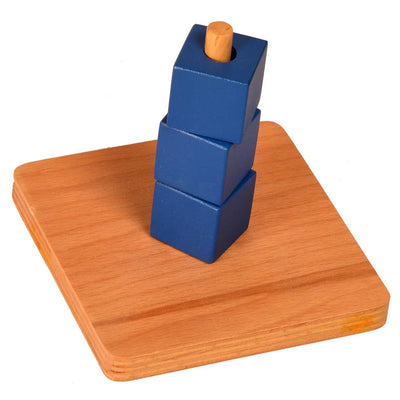
This is the age of active exploration and growing independence. Wooden blocks for kids become indispensable, allowing for stacking, knocking down, and early imaginative play. A two-year-old Veer might spend joyful minutes building a tower as tall as himself, only to giggle as it tumbles, learning about gravity and cause-and-effect.
Simple wooden pull-along animals encourage walking and balance. Knobbed puzzles become more challenging, enhancing problem-solving and refining the pincer grasp. These activities directly support the increasing demands for coordination and self-help skills.
Preschool (3-6 Years): Precision & Problem-Solving
Preschoolers are refining their movements and developing greater control. Lacing beads, intricately designed wooden puzzles for kids, and small construction sets with interlocking wooden pieces are ideal. These toys demand precision, patience, and fine-tuned hand movements, which are critical for pre-writing skills.
Consider a five-year-old Riya in Chennai, carefully lacing beads to create a pattern, strengthening the muscles needed for holding a pencil. Balance boards or stepping stones provide opportunities for gross motor planning, coordination, and building confidence in their physical abilities, vital for playground interactions and school sports alike.
Integrating Wooden Toys into the Indian Home
The beauty of Montessori wooden toys lies in their adaptability to various home environments, whether it's a bustling joint family home in Delhi or a compact apartment in Mumbai. Keep toys accessible on low shelves or in open baskets, inviting children to choose their activities. Rotate toys regularly to maintain interest and ensure they match current developmental needs.
Grandparents often cherish traditional play, and wooden toys bridge this generational gap beautifully, fostering shared experiences. Encourage children to put toys away after use, a simple practical life skill that also reinforces respect for their play materials. By integrating these timeless tools, Indian parents can proactively support their child's motor skill journey, building confidence and capability, one joyful milestone at a time.