Importance of Educational Toys for Motor Skill Development
The importance of educational toys motor skills development for children is rapidly gaining recognition across India, mirroring the significant projected growth in the educational toy sector by 2034. Child development experts agree that these specially designed tools are fundamental for building foundational physical abilities, fostering crucial brain-body connections from an early age. Indian parents are increasingly prioritising such resources to ensure their children are well-equipped for academic success and daily life, recognising their profound impact on holistic development.
Recent insights from Straits Research highlight a burgeoning global educational toy market, with India at the forefront of this expansion. This isn't just a market trend; it reflects a deeper understanding among parents and educators about the critical role of purposeful play in early childhood. As families in Bengaluru and beyond navigate the complexities of modern parenting, the focus shifts towards enriching environments that truly support their child's developmental journey.
What Are Motor Skills?
Motor skills are the abilities allowing us to move our bodies and manipulate objects effectively. They encompass gross motor skills, like running and jumping, and fine motor skills, requiring smaller, precise movements such as writing. Developing strong motor skills is crucial for a child's independence, academic success, and overall confidence. Indian parents can actively support this by providing a stimulating environment and appropriate educational toys.
The Shifting Landscape: Why Child Development Toys Are In Growing Demand in India
The rise in demand for child development toys in India is a clear indicator of evolving parenting philosophies. Parents are moving beyond mere entertainment, seeking products that offer tangible developmental benefits. This shift is particularly evident with the national focus on initiatives like 'Viksit Bharat 2047,' which underscores the importance of a well-prepared, skill-equipped younger generation, starting with foundational skills like motor development.
Studies indicate that early childhood experiences, especially hands-on play, significantly impact cognitive and physical development. With increased screen time prevalent in many households, there's a conscious effort by Indian parents to reintroduce tactile, engaging play. This re-emphasises the crucial role of educational toys in fostering essential skills that might otherwise be overlooked.
Unpacking the Benefits of Educational Toys for Physical Development
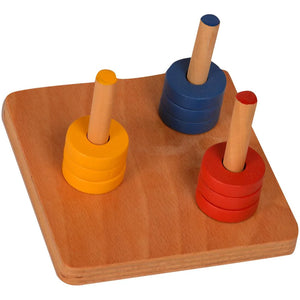
Educational toys are meticulously designed to target specific developmental milestones, making them invaluable tools for physical growth. For instance, building blocks, puzzles, and bead lacing sets are excellent for refining fine motor skills, enhancing hand-eye coordination and dexterity. These are the intricate movements required for writing, drawing, and self-care tasks like buttoning a shirt.
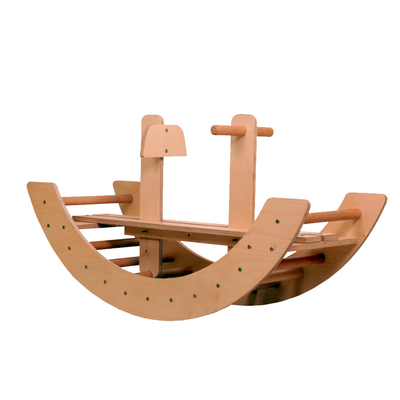
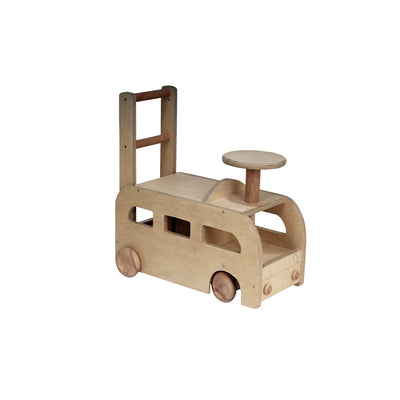
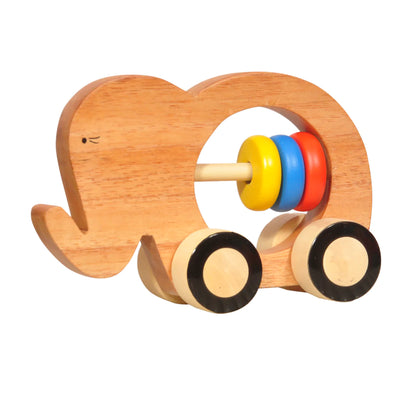
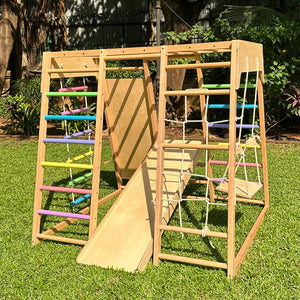
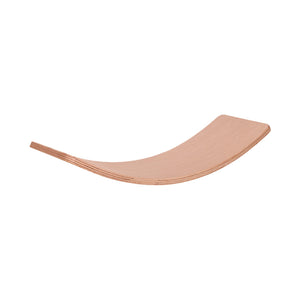
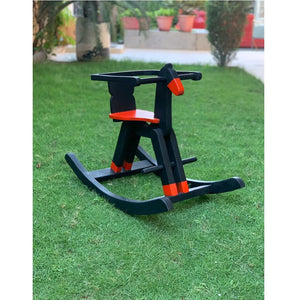
Conversely, ride-on toys, push-pull toys, and balance boards contribute significantly to gross motor skill development. These activities encourage larger muscle movements, promoting balance, coordination, and spatial awareness. Research consistently shows that strong motor skills developed in early childhood correlate with better academic performance and increased self-confidence in social settings.
Montessori Toys: Unlocking Motor Skills Value with Purposeful Play
The Montessori philosophy, pioneered by Maria Montessori, champions the idea of learning through self-directed, hands-on exploration, making its materials incredibly effective for motor skill development. Montessori toys, often termed 'learning materials,' are designed with a specific purpose and sequential learning in mind, ensuring every interaction contributes to a child's growth.
Take for example the Pink Tower, which refines visual discrimination and precise placement, or the Cylinder Blocks, which develop grasp and spatial reasoning—all fundamental to fine motor control. Lacing beads and threading activities found in the Montessori collection offer engaging ways for children to strengthen their pincer grasp and hand-eye coordination. Child development experts agree that this purposeful play fosters not only physical dexterity but also concentration and problem-solving abilities.
Empowering Parents: Making Informed Choices in a Growing Market
Navigating the rapidly expanding educational toy market trends in India requires discerning choices from parents. When selecting toys, consider age-appropriateness, safety standards, and the potential for open-ended play that encourages creativity. Grandparents, often central to childcare in joint Indian families, can play a significant role in introducing these enriching toys, drawing on their wisdom to complement modern developmental approaches.
The success stories of Indian toy brands, such as those built by visionary entrepreneurs like Meeta Sharma Gupta, highlight the quality and innovation now available domestically. These brands often integrate cultural contexts into their designs, making them even more relatable and effective for Indian children. Prioritising quality educational toys is an investment in your child's future, ensuring they develop robust motor skills foundational for lifelong learning and independence.
Conclusion
The growing recognition of the importance of educational toys motor skills development marks a positive shift in Indian parenting. As the market expands, parents have an unprecedented opportunity to choose tools that proactively support their children's physical and cognitive growth. By embracing thoughtful, play-based learning, families are not just buying toys; they are investing in the foundational abilities that will empower their children to thrive in school, at home, and in the dynamic world ahead.
- The Indian educational toy market is forecast for significant growth by 2034, driven by increasing parental awareness.
- Educational toys are crucial for developing both fine motor skills (e.g., writing) and gross motor skills (e.g., running).
- Research indicates that strong early motor skills correlate with improved academic performance and independence.
- Montessori materials offer structured, hands-on learning experiences specifically designed to refine motor control and concentration.
- Selecting age-appropriate, safe, and open-ended educational toys is a strategic investment in a child's holistic development.
- Indian parents are increasingly prioritising educational toys to bridge school-readiness gaps and support initiatives like Viksit Bharat 2047.
Why are educational toys increasingly important for motor skills in India?
Educational toys are gaining importance in India for motor skills development due to heightened parental awareness, the push for school readiness under initiatives like Viksit Bharat, and a burgeoning market that offers targeted developmental tools. These toys provide structured engagement crucial for physical and cognitive growth.
What is the difference between fine and gross motor skills?
Fine motor skills involve small muscle movements, primarily in the hands and fingers, essential for tasks like writing, buttoning, and drawing. Gross motor skills involve larger muscle groups for actions such as walking, running, jumping, and balancing. Both are critical for a child's overall physical development and independence.
How do Montessori toys specifically support motor skill development?
Montessori toys, like the Pink Tower or Cylinder Blocks, are meticulously designed to be self-correcting and hands-on, directly engaging children in purposeful activities that refine their motor control. They offer sensory experiences and sequential challenges that build both fine and gross motor skills progressively.
At what age should I introduce educational toys for motor skills?
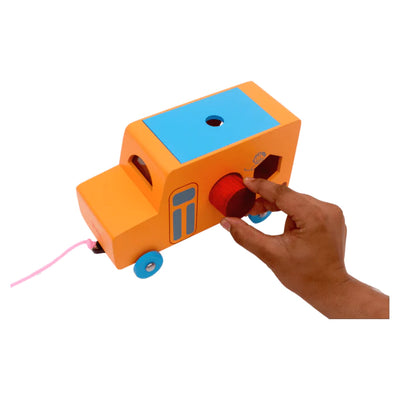
Child development experts recommend introducing educational toys for motor skills from infancy, starting with simple grasp toys and rattles. As children grow, progress to stacking rings (6-12 months), shape sorters (12-18 months), and puzzles or building blocks (18+ months) to support continuous development.
Can educational toys really bridge the school-readiness gap for motor skills?
Yes, educational toys are a powerful tool to bridge the school-readiness gap for motor skills. They provide children with repeated practice in essential movements, coordination, and problem-solving, which are foundational for tasks like holding a pencil, cutting with scissors, and participating in classroom activities.