Importance of Motor Skills in Preschool for Future Success
The importance of motor skills in preschool cannot be overstated; they are the fundamental building blocks for a child's cognitive, social, and academic future. Research shows that strong early motor skills significantly influence everything from writing and problem-solving to self-confidence and school readiness in India. This foundational development is truly the first big step for our next-gen winners.
As Indian parents, we often think of preschool as a place for ABCs and 123s. However, modern educational approaches, including the widely respected Montessori method, understand that physical development forms the bedrock for all other learning. Equipping children with robust motor skills early on paves the way for their holistic success, aligning perfectly with the vision of a skilled and confident generation for Viksit Bharat 2047.
What are Motor Skills? The First Big Step Explained
Motor skills are the learned movements that enable children to interact with their environment, broadly categorised into gross (large muscle) and fine (small muscle) movements. This matters because well-developed motor skills provide the physical foundation for academic tasks and everyday independence. Indian parents can foster these skills through play and age-appropriate activities, making them integral to preschool development.
For instance, gross motor skills involve activities like running, jumping, balancing, and throwing – crucial for coordination and physical confidence. Fine motor skills, on the other hand, involve more precise movements using small muscles in the hands and fingers, vital for tasks like holding a pencil, buttoning a shirt, or using scissors. Both are equally important and interconnected for a child's overall growth.
Early Learning Motor Skills: More Than Just Play
Child development experts agree that early learning motor skills are not just about letting children run around; they are deliberate, critical processes that prepare the brain for higher-order thinking. Studies indicate that children with strong fine motor skills by age five are significantly better prepared for early literacy tasks, including writing and reading. This focus on practical, hands-on learning is a core tenet of the Montessori philosophy.
In a typical Indian household, grandparents often encourage active play and traditional games that inadvertently boost these skills. From climbing trees in the yard to helping roll rotis in the kitchen, these experiences are invaluable. Modern preschools are now consciously integrating such 'play-based learning' to ensure every child gets a head start, moving beyond rote learning to foster genuine school readiness skills India.
Montessori Preschool Activities: Nurturing Precision and Coordination
Maria Montessori, a pioneer in child education, understood the profound connection between physical movement and cognitive development. Her method emphasizes practical life activities and sensorial exercises designed to naturally refine motor skills. These Montessori preschool activities are far from simple play; they are purposeful engagements that build concentration, coordination, and independence.
For example, pouring water, transferring beans with a spoon, or using dressing frames are classic Montessori tasks that directly enhance fine motor control and hand-eye coordination. These activities prepare a child's hands and mind for future academic demands, making the transition to writing and complex problem-solving much smoother. Engaging with Montessori method learning materials can provide this crucial experience at home too.
Connecting Motor Skills to a Child's Future Success
The benefits of robust motor skills extend far beyond the preschool classroom. They are intricately linked to a child's future success in various aspects of life. Consider the ‘padhai pivot’ – closing the school-readiness gap for Viksit Bharat 2047. Children with well-developed motor skills show better self-regulation and fewer behavioural issues, contributing to a more focused learning environment in school.
Furthermore, strong motor skills foster independence. A child who can confidently dress themselves, manage their lunchbox, or tie their shoelaces gains a significant boost in self-esteem. This confidence translates into a willingness to tackle new challenges, both academic and social, forming resilient 'Next Gen Winners' ready for anything life throws at them.
Fine Motor Skills: The Hand Behind the Mind
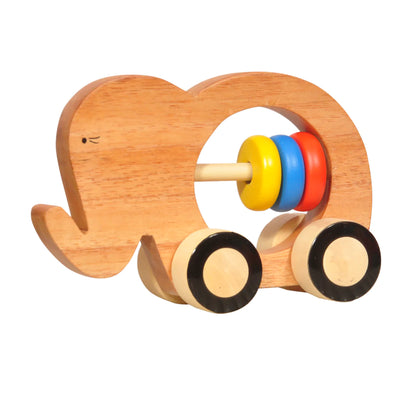
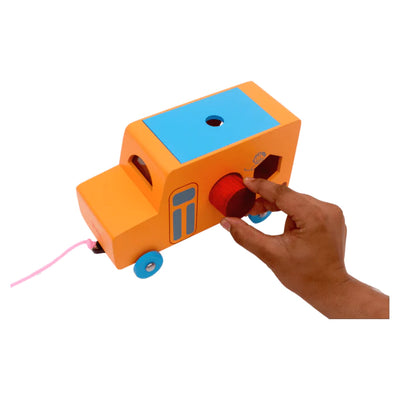
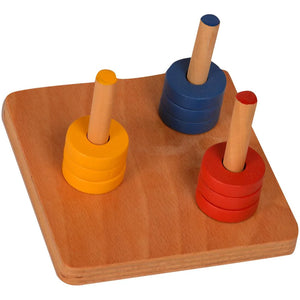
Fine motor skills are paramount for academic success. Holding a pencil correctly, cutting with scissors, drawing intricate patterns, and manipulating small objects are all fundamental for school. Without these foundational skills, children may struggle with handwriting, which can then impact their ability to express ideas on paper and keep up with classroom activities. Investing in fine motor skill development toys like puzzles, building blocks, and lacing beads is an active way to support this.
Beyond academics, fine motor proficiency supports everyday life. From buttoning shirts for school to eating with cutlery at the dinner table during family gatherings, these small, precise movements contribute significantly to a child's independence and integration into daily routines. This also alleviates pressure on parents and grandparents, knowing their little one can manage tasks independently.
Gross Motor Skills: Building Confidence and Coordination
Gross motor skills are not just about being physically active; they build the coordination and balance necessary for participation in sports, playground interactions, and even sitting still in a classroom. A child with good gross motor control is more likely to engage in physical play, which in turn boosts their social skills and overall physical health. This is particularly relevant in India, where communal play is a cherished part of childhood.
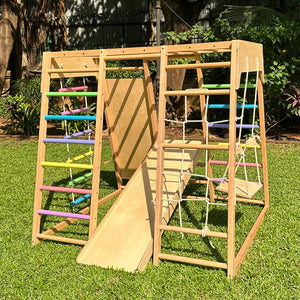
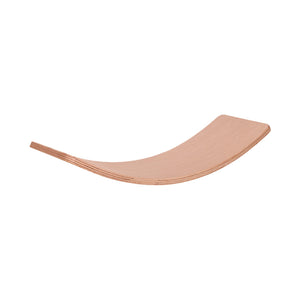
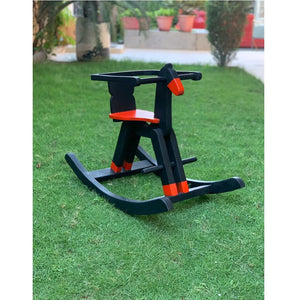
Encouraging active play with equipment that builds gross motor skills like balance beams, tricycles, or tunnels can make a world of difference. These activities help children develop spatial awareness and body control, reducing accidental falls and fostering a sense of mastery over their own bodies. This physical confidence is a key component of a child's future success.
Preparing for Tomorrow: The Bengaluru Parent's Guide
As parents in bustling Bengaluru, preparing our children for a competitive world often feels like a race. However, understanding the true importance of motor skills in preschool allows us to slow down and focus on foundational development. By prioritizing activities that strengthen both fine and gross motor skills, we are not just helping our children pass exams; we are nurturing well-rounded individuals ready for lifelong learning.
Consider integrating dedicated playtime into their daily routine that goes beyond digital screens. Encourage outdoor play in local parks, involve them in simple household chores like sorting vegetables, or invest in quality educational toys for preschoolers that promote hands-on exploration. Remember, every step, every grasp, every jump your child makes in preschool is a building block for their vibrant future.
- Early motor skill development in preschool is a foundational ‘first big step’ for a child's holistic future success.
- Motor skills are broadly categorised into gross (large muscle movements) and fine (small, precise movements), both crucial for development.
- Strong motor skills are directly linked to school readiness, enhancing academic performance, independence, and self-confidence.
- Montessori preschool activities specifically target motor skill refinement through purposeful practical life and sensorial exercises.
- Research indicates that well-developed motor skills improve cognitive functions, literacy skills, and social-emotional regulation.
- Indian parents can foster motor skills through traditional play, household activities, and carefully selected educational toys.
Why are motor skills crucial for a child's future success?
Motor skills are crucial as they build the physical foundation for academic learning, social interaction, and self-care. Strong early motor skills contribute to better writing, problem-solving, and confidence, preparing children for school and life challenges.
What is the difference between fine and gross motor skills?
Fine motor skills involve precise movements using small muscles, like those in the hands and fingers, essential for writing or buttoning. Gross motor skills involve larger muscle groups for actions such as running, jumping, or balancing, crucial for coordination and physical activity.
How can Montessori preschool activities enhance motor skills?
Montessori preschool activities, designed by Maria Montessori, specifically target motor skill development through practical life exercises like pouring and spooning, and sensorial materials such as the Pink Tower. These activities naturally refine both fine and gross motor control through purposeful engagement.
When should parents start focusing on early learning motor skills?
Parents should begin focusing on early learning motor skills from infancy, encouraging tummy time, grasping, and crawling. In preschool, the emphasis shifts to more refined tasks that support school readiness, making it a critical period for focused development.
Are educational toys effective for developing motor skills in preschoolers?
Yes, educational toys for preschoolers are highly effective for developing motor skills, especially those designed with a specific purpose like Montessori materials. Toys such as building blocks, puzzles, lacing beads, and balance bikes provide engaging, hands-on opportunities for children to practice and strengthen their motor abilities.