Indian Educational Toy Design for Motor Skills
Understanding the deliberate choices behind Indian educational toy design motor skills is crucial for parents seeking to actively support their child's physical growth. Indian toy innovators thoughtfully blend cultural heritage with developmental psychology, crafting toys that are not only engaging but also purposefully designed to enhance both fine and gross motor skills. This unique approach ensures that children in Indian homes, from Bengaluru to smaller towns, receive tools that prepare them for the 'padhai pivot' and holistic development for a Viksit Bharat 2047.
The emphasis on play-based learning is gaining significant traction, with experts agreeing it deserves equal footing with nutrition in child development, as highlighted by India Today. SkilloToys is dedicated to showcasing how this philosophy translates into tangible benefits through carefully designed toys.
What is Motor Skills Development in Indian Toy Design?
Motor skills development in Indian toy design refers to the intentional creation of playthings that stimulate and refine a child's movements, from intricate finger actions to larger bodily coordination. This matters because robust motor skills are foundational for academic readiness, self-care, and confident exploration of the world. Indian parents can leverage these thoughtfully designed toys to ensure their child meets critical developmental milestones through joyful, culturally relevant play.
The Montessori Foundation: Guiding Indian Educational Toy Design
Child development experts agree that the principles laid down by Maria Montessori profoundly influence global educational toy design, and India is no exception. Montessori toy design India focuses on creating a prepared environment where children can learn independently through hands-on exploration. Research consistently shows that toys encouraging self-correction and purposeful activity are highly effective in early childhood development.
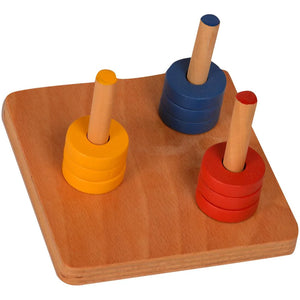
Indian toy innovators adapt these global standards by incorporating local materials like sustainably sourced wood, natural fibres, and vibrant, non-toxic colours inspired by traditional art. Toys like Montessori knobbed cylinders for grading sizes, or intricate wooden puzzles, are perfect examples. These designs enhance concentration and dexterity, proving that play is a powerful pathway to learning.
Fine Motor Mastery: Precision in Indian Educational Toy Design
Fine motor skills involve the coordination of small muscles, typically in the hands and fingers, in conjunction with the eyes. These skills are vital for everyday tasks like writing, drawing, buttoning clothes, and using cutlery. Indian educational toys are masterfully crafted to foster this precision, often drawing inspiration from traditional crafts that demand intricate handwork.
Consider wooden lacing toys, bead stringing sets, or stacking games that challenge a child to grasp, manipulate, and place objects with accuracy. Studies indicate that children engaging in such structured play show significant improvements in hand-eye coordination and pincer grasp by age 3. The Times of India recently featured '5 fun tricks to supercharge fine motor skills,' many of which are easily achievable with Indian fine motor toys. These toys prepare children not just for school, but for a lifetime of independent functioning.
Gross Motor Growth: Active Play Through Innovation in Indian Toys
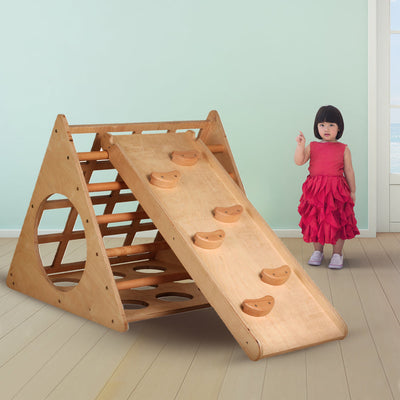
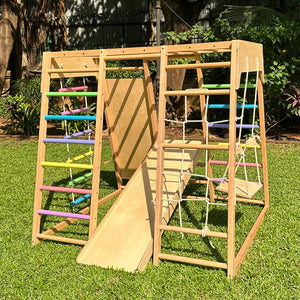
Gross motor skills involve the coordination of larger muscle groups for movements like walking, running, jumping, and balancing. While often associated with outdoor play, innovation in Indian toys brings this development indoors, especially important for families in urban settings or joint families with shared spaces. Designers create versatile toys that can be adapted for various environments.
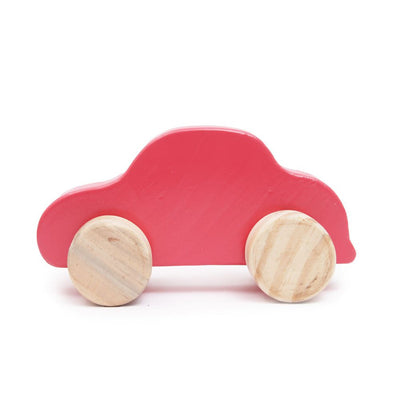
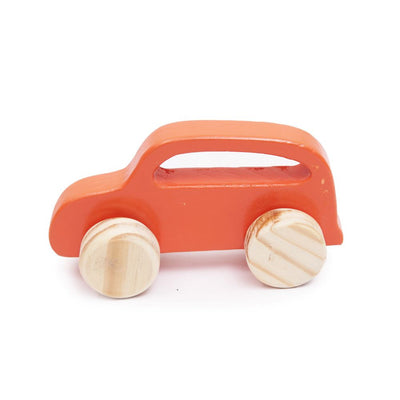
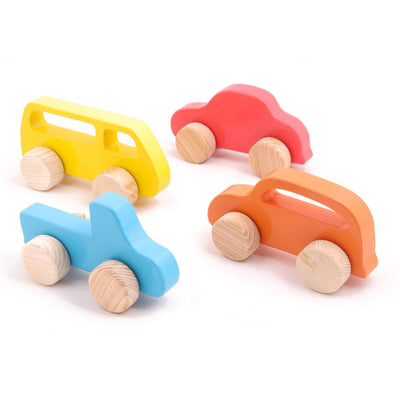
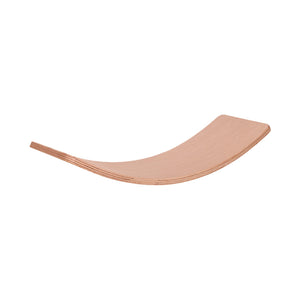
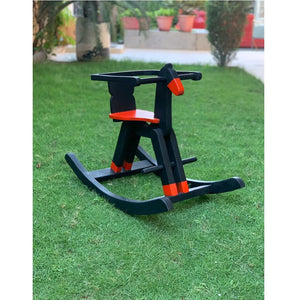
Push-and-pull toys, ride-ons, or simplified balance beams made from durable, child-safe materials encourage children to move their bodies actively. These activities strengthen core muscles, improve balance, and enhance spatial awareness. For instance, a wooden pull-along elephant or a stackable ring toss game promotes movement and coordination, making active play an integral part of gross motor skill development from an early age. This proactive engagement is key to building a healthy, active generation for Viksit Bharat 2047.
Choosing Indian Educational Toys: Beyond Aesthetics for Holistic Development
For parents wondering how toys develop motor skills India, the selection process extends beyond mere visual appeal. Child development experts advise looking for toys that are: age-appropriate, made from non-toxic, durable materials, and offer open-ended play opportunities. The National Education Policy 2020 in India strongly advocates for play-based learning from early childhood, emphasizing toys that stimulate cognitive and physical development simultaneously.
When choosing Indian educational toys, consider items that encourage problem-solving, creativity, and self-expression alongside physical manipulation. Toys that can be used in multiple ways, fostering imagination, provide longer-term engagement and developmental benefits. Always check for quality craftsmanship, ensuring safety standards are met, particularly for younger children who explore with their mouths.
The Future of Indian Toy Innovation: Nurturing a Generation
The landscape of Indian toy innovation is rapidly evolving, driven by a commitment to nurturing a generation ready for the challenges and opportunities of a globalised world. This commitment aligns with the 'padhai pivot' to address school-readiness gaps for Viksit Bharat 2047. Indian designers are creating toys that are not only culturally resonant but also globally competitive in terms of developmental efficacy.
From sustainable materials to designs that celebrate Indian festivals and stories, these innovators are crafting a new narrative for educational play. They understand the nuances of Indian childhood – from the guidance of grandparents to the pressures of early academics – and are creating tools that balance tradition with modern pedagogical excellence, ensuring comprehensive motor skill development.
- Indian educational toy design explicitly targets fine and gross motor skill development through culturally relevant and pedagogically sound approaches.
- Montessori principles, such as self-correction and hands-on learning, are foundational to how toys develop motor skills in India.
- Fine motor skills are enhanced through precise manipulation toys like bead stringing sets and intricate wooden puzzles, critical for pre-writing abilities.
- Gross motor skills are fostered by active play toys, including push-and-pull items and balance activities, supporting overall physical coordination.
- Choosing Indian educational toys involves prioritising safety, durability, age-appropriateness, and open-ended play to ensure holistic child development.
- Innovation in Indian toys is creating culturally relevant, sustainable, and developmentally advanced products that prepare children for a dynamic future.
How do Indian educational toys specifically support fine motor skills?
Indian educational toys often feature intricate designs, smaller parts for manipulation, and traditional crafts that demand precision. Activities like stacking, threading beads, or using small tools for puzzles enhance finger dexterity, hand-eye coordination, and pincer grasp essential for writing and self-care.
Are traditional Indian toys suitable for gross motor skill development?
Yes, many traditional Indian toys inherently support gross motor skills, often through active play. Push-and-pull toys, spinning tops, and outdoor games encourage movement, balance, coordination, and strength, contributing significantly to a child's overall physical development.
What is the role of Montessori principles in Indian educational toy design?
Montessori principles heavily influence Indian educational toy design by promoting self-directed learning, hands-on exploration, and purposeful activity. Toys are designed to be self-correcting, age-appropriate, and crafted from natural materials, fostering concentration, independence, and the natural development of motor skills.
How can parents in India choose the best educational toys for motor skill development?
Parents should look for toys that are age-appropriate, durable, made from safe materials, and offer open-ended play opportunities. Prioritize toys that encourage active manipulation, problem-solving, and cater to both fine and gross motor skill development, aligning with the child's developmental milestones.
What innovation is seen in contemporary Indian educational toys?
Contemporary Indian educational toys demonstrate innovation through culturally relevant designs, sustainable materials, and technology integration while upholding developmental goals. Designers are creating products that address modern learning needs, blend traditional aesthetics with global pedagogical standards, and are often made by local artisans, contributing to the 'Viksit Bharat' vision.