Indoor Gross Motor Activities for Indian Kids
As temperatures rise across India and schools conclude exams, parents in Bengaluru and beyond seek creative ways to keep children active. With Ram Navami today, March 26, 2026, it's an ideal opportunity to move beyond screen time. Finding stimulating indoor gross motor activities India can embrace, especially in urban apartments, is a common challenge. At SkilloToys, India's leading Montessori educational toys store, we offer fun, effective solutions for physical development.
At SkilloToys, we understand the importance of holistic child development. Gross motor skills are foundational for everything from walking and running to playing sports and maintaining balance. Providing structured, fun opportunities for gross motor play at home is crucial for their physical growth, cognitive development, and overall well-being.
What Are Gross Motor Skills and Why Are They Crucial for Your Child?
Gross motor skills enable children to control large muscles for movement like walking, running, jumping, balancing, and throwing. These skills are vital for coordination and strength, forming the basis for more refined movements later on. Maria Montessori emphasized the link between movement and learning, highlighting how physical activity prepares the brain for intellectual tasks.
Developing these skills effectively allows children to navigate their environment with confidence, reduce clumsiness, and improve their spatial awareness. Neglecting gross motor play can lead to sedentary habits, impacting posture, energy levels, and even concentration. By integrating active play ideas, Indian parents empower children to build a strong physical foundation.
Active Play Ideas India: Simple Setup, Big Fun at Home!
You don't need a sprawling backyard to foster robust physical development. Here are practical, engaging physical development games kids India can enjoy indoors, perfect for beating the heat and reducing screen time.
1. The Great Indoor Obstacle Course
What it is: A dynamic path using everyday household items, encouraging crawling, climbing, balancing, and jumping for agility and problem-solving.
How to set it up: Arrange cushions, pillows, blankets, and low furniture to create a winding path. Children can crawl under a blanket, climb over pillows, or walk a masking tape "tightrope," with varied movements. Skills Developed: Balance, coordination, strength, spatial awareness. Explore more engaging options with our gross motor skill collection.
2. "River Crossing" Balance Challenge
What it is: A simple game for balance and coordination, mimicking crossing a perilous river.
How to set it up: Use masking tape strips on the floor for "stepping stones" or a winding "riverbank." The goal is to cross without touching the "water" (floor), increasing challenge by making "stones" smaller or farther apart. Skills Developed: Balance, core strength, spatial planning. These balance and coordination games indoor are fantastic for proprioception.
3. Balloon Volley & Keep-Up
What it is: A classic, safe indoor activity promoting hand-eye coordination and agility.
How to set it up: Inflate balloons. Play "Keep It Up," preventing the balloon from touching the floor. For "volley," stretch a string across a doorway as a makeshift net, gently batting the balloon back and forth. Skills Developed: Hand-eye coordination, reaction time, agility, upper body strength.
4. Indoor "Cricket" or "Kho-Kho" Adaptations
What it is: Adapting beloved Indian outdoor games for a safe indoor environment, perfect for joint families.
How to set it up: For "cricket," use a soft foam ball and light plastic bat, marking "wickets" with small boxes for gentle batting. For "Kho-Kho," designate a "catcher" and "runners," using quick sidesteps or crawls to tag or evade. The smaller space encourages controlled movements. Skills Developed: Agility, reflexes, throwing, catching, social interaction. These adaptations make gross motor play at home culturally relevant.
5. Animal Walks & Yoga Adventures
What it is: Encouraging creative movement, strength, and flexibility through imaginative play.
How to set it up: Mimic animal movements like bear crawls, crab walks, or frog jumps, turning it into a story. Introduce simple yoga poses (e.g., Mountain Pose, Tree Pose) as part of a "jungle journey." For precise hand movements, consider our fine motor skills collection. Skills Developed: Strength, flexibility, balance, imagination, body awareness.
Reducing Screen Time Activities: Making the Switch Smoothly
For many Indian parents, managing screen time is a constant battle. The key is replacing devices with equally engaging alternatives. Schedule "active play" times, treating them with importance, and involve your child in choosing activities. Making it a family affair, especially on holidays like Ram Navami, increases participation. Even 15-20 minutes of dedicated gross motor play can make a huge difference. SkilloToys offers resources and Montessori-aligned toys for smooth transitions.
The SkilloToys Difference: Supporting Holistic Development
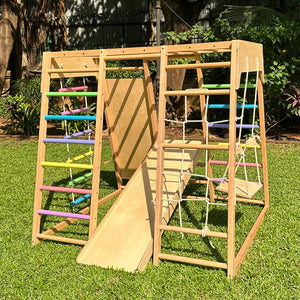
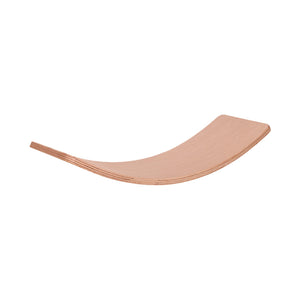
At SkilloToys, we empower parents to nurture every aspect of their child's growth. Our curated Montessori-inspired educational toys, from balance boards to climbing arches, complement these indoor activities, enhancing gross motor capabilities even in urban Indian homes. Recognizing the interconnectedness of motor skills, we also offer our fine motor skills collection, providing complementary tools for hand-eye coordination and dexterity.
Key Takeaways:
- Indoor gross motor activities are essential for physical development, especially with rising temperatures and reduced outdoor play.
- Simple household items can be transformed into engaging tools for active play at home.
- Regular gross motor play improves balance, coordination, strength, and reduces screen time effectively.
- Maria Montessori's philosophy highlights the crucial link between movement and learning.
- SkilloToys provides resources and educational toys that support holistic child development, from gross to fine motor skills.
Frequently Asked Questions about Indoor Gross Motor Play
Q1: How much gross motor play do kids need daily?
Children aged 3-5 years need at least 3 hours of physical activity daily, including vigorous play. For older children (6-12 years), aim for at least 60 minutes of moderate-to-vigorous activity, to which indoor activities contribute significantly.
Q2: What are signs my child needs more gross motor activities?
Signs can include clumsiness, difficulty with balance, low energy, or preferring sedentary activities. Increased irritability or difficulty focusing can also sometimes link to insufficient physical outlet.
Q3: Are these activities suitable for small apartments?
Absolutely! Activities like obstacle courses with cushions, balloon games, or modified indoor cricket are adaptable for smaller spaces. Focus on controlled movements and creativity for urban Indian living.
Q4: How can I motivate my child to play indoors without screens?
Make it fun and involve them in planning. Start small, praise efforts, and participate with them. Introduce novelty, changing activities regularly and connecting play to their interests.
Q5: Can gross motor activities help with fine motor skills too?
Yes, they are interconnected! Many gross motor activities, like navigating an obstacle course, subtly engage fine motor skills. Our fine motor skills collection offers direct support for hand-eye coordination and dexterity.
Embracing indoor gross motor activities India-wide is a powerful step towards nurturing active, healthy, and happy children. As temperatures soar and screen time looms, remember your home is a fantastic playground for physical development and lifelong well-being. By integrating these fun, actionable games, you foster a love for active exploration. Start today and watch your child thrive!