Kids Sports Gear Motor Skills: Decathlon FirstCry Boost
The recent announcement of Decathlon Sports India partnering with FirstCry to expand access to kids' sports gear is exciting news for Indian parents. This collaboration promises to make quality, affordable equipment for active play more readily available, directly impacting how families can support their children's kids sports gear motor skills development. This strategic move aligns perfectly with the national conversation around the 'padhai pivot' and closing the school-readiness gap for Viksit Bharat 2047, underscoring the critical role physical development plays in a child's overall growth and academic potential.
What are Motor Skills and Why They Matter for Indian Children?
Motor skills involve the coordination of muscles and the brain to perform movements. This matters because strong motor skills are foundational for everything from self-care (dressing, eating) to academic tasks (writing, drawing) and confident social interaction. Indian parents can foster these skills by providing rich environments for both structured and free play, using tools that encourage movement and exploration.
Decathlon FirstCry Partnership Kids: A Game-Changer for Accessible Play
This partnership is more than just a business deal; it's a significant boost for physical development across India. With FirstCry's vast reach into tier-2 and tier-3 cities and its convenient online and offline presence, parents now have unprecedented access to sports gear like soft balls, skipping ropes, small frisbees, and child-sized rackets. This increased accessibility removes a major barrier for many families, allowing them to easily procure tools that encourage active, outdoor, and indoor play, regardless of where they reside.
Gross Motor Skills Development India: Blending Sports Gear with Montessori Principles
The core of physical readiness lies in robust gross motor skills, involving large muscle groups for activities like running, jumping, and balancing. Research from institutions like NIMHANS, Bengaluru, consistently highlights the correlation between early gross motor development and later cognitive abilities. The availability of diverse sports gear through the Decathlon-FirstCry partnership means parents can now easily implement targeted activities.
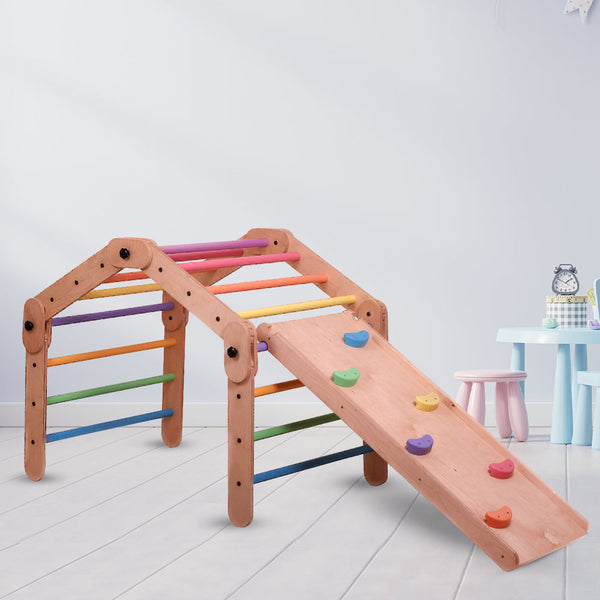
Consider a 3-year-old, like Diya from a joint family in Pune. Her grandparents, traditionally encouraging outdoor games, can now effortlessly buy a soft, lightweight football or a mini basketball hoop. Instead of just unstructured play, Montessori principles can guide this. For instance, 'walking on the line' (a classic Montessori activity for balance and coordination) can be enhanced by asking Diya to balance a soft ball on a spoon while walking the line, integrating the new gear with purposeful movement. Explore our range of Montessori gross motor skill toys that complement such active play.
Fine Motor Skills & Hand-Eye Coordination with Everyday Sports Play
While often associated with gross motor activities, sports gear also significantly impacts fine motor skills and hand-eye coordination. Activities like gripping a small tennis racket, catching a soft frisbee, or even picking up scattered bean bags after a game, all refine the precise movements of smaller muscles in the hands and fingers. These seemingly simple actions build foundational skills crucial for writing and everyday tasks.
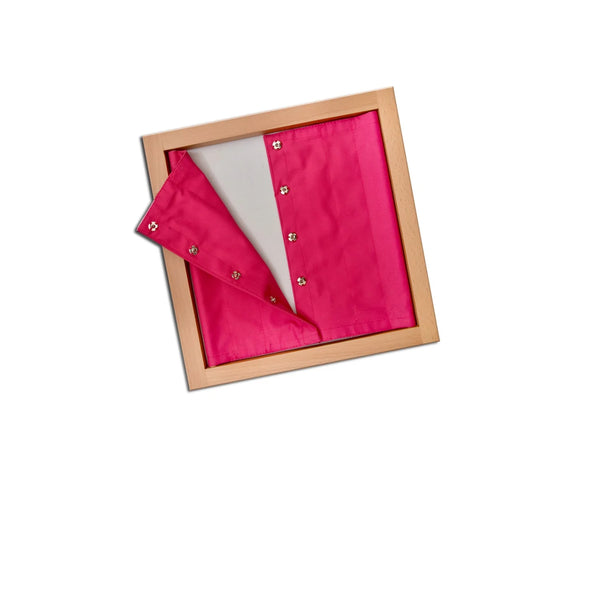
For a 2-year-old, practicing throwing and catching a small, soft ball involves tracking its movement (hand-eye coordination) and adjusting their grip (fine motor control). As they grow, lacing up their own sports shoes, or setting up miniature cones for an obstacle course, further hones these intricate skills. Discover our fine motor skill development toys that build precision and dexterity.
Educational Toys for Active Play: The SkilloToys Montessori Advantage
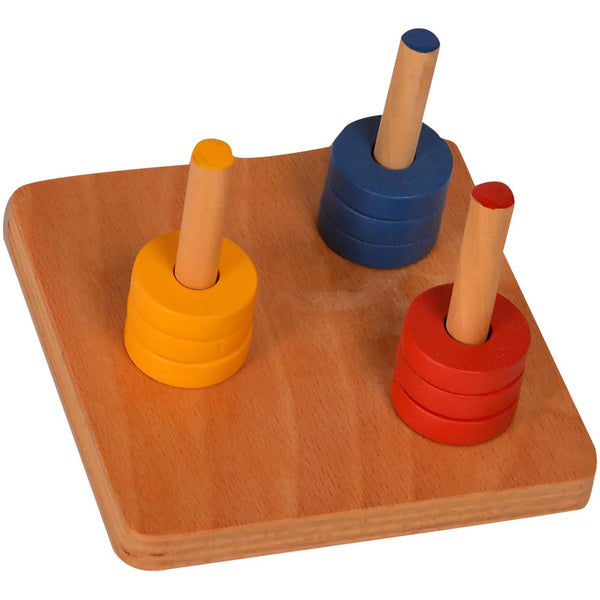
While accessible sports gear encourages free movement, integrating it with Montessori educational toys provides a powerful, structured approach to motor skill development. Maria Montessori observed that purposeful movement is intrinsically linked to intellectual development. Our Montessori materials, like the Pink Tower or Cylinder Blocks, help children develop spatial awareness, visual discrimination, and concentration – skills that directly translate to better body control and coordination in sports.
For example, a child who has meticulously stacked the Pink Tower has not only refined their fine motor control but also developed an internal sense of order and balance, which they then apply when trying to balance on a beam or aim a ball. This structured exploration empowers children to self-correct and refine their movements, making their active play more impactful than mere undirected physical activity. This integration of mind and body is the non-obvious insight that elevates active play from simple fun to profound developmental work, closing the 'school-readiness gap' in a holistic manner.
Physical Development for Children: Practical Tips for Indian Homes
Even with increased accessibility to gear, urban living in India often means smaller spaces and increased screen time. Here's how to ensure robust physical development:
- Designate an 'Active Zone': Whether it's a corner of the living room, a balcony, or the terrace, designate a safe space for movement. Simple activities like jumping jacks, animal walks, or playing catch with a soft ball can happen indoors.
- Structured Playtime: Dedicate 30-60 minutes daily for focused physical activity. This could be a visit to a nearby park, a structured indoor obstacle course, or engaging in simple games with the new sports gear.
- Involve the Family: Grandparents often love playing with children. Encourage them to participate in simple games like throwing a soft ball or marching to music, making physical activity a shared family joy.
- Limit Screen Time, Encourage Movement: Studies from organizations like the Indian Academy of Pediatrics recommend specific screen time limits for young children. For every hour of screen time, aim for at least an hour of active play.
The increased availability of kids sports gear through the Decathlon-FirstCry partnership is a golden opportunity. By thoughtfully combining these resources with the purposeful, developmental approach of Montessori education, parents can actively shape their child's gross and fine motor skills, ensuring they are not just physically active but also building a strong foundation for future learning and well-being. Start integrating more purposeful play into your child's day tonight!