Motor Skills School Readiness India: Montessori Bridge
Ensuring a child is ready for school is a primary concern for parents across India, a goal that takes on new significance with the national aspiration of Viksit Bharat 2047. Research shows that foundational motor skills are not just about physical agility but are crucial for academic success and overall well-being. Montessori principles, coupled with thoughtful educational toys, provide a powerful pathway to bridge this school-readiness gap, directly impacting a child's ability to thrive in formal learning environments and beyond, making motor skills school readiness India's foundational step towards a brighter future.
School readiness, in simple terms, means a child possesses the necessary physical, cognitive, social, and emotional skills to engage successfully in a formal learning setting. This matters because a strong start prevents future academic struggles and builds confidence. Indian parents can proactively support this by focusing on holistic development through play and practical life activities.
Early Childhood Development: Laying the Groundwork for Viksit Bharat 2047 Education
The journey towards a developed India by 2047 hinges on the foundational strength of its youngest citizens. The NCERT's National Curriculum Framework for Foundational Stage (NCF-FS 2022) highlights the critical importance of early childhood development, emphasizing play-based learning and the development of essential life skills. This vision isn't just about rote learning; it's about nurturing well-rounded individuals ready for complex challenges.
For children in Bengaluru's bustling neighbourhoods or serene joint families, the early years are a period of rapid growth. Experts like Maria Montessori understood that children learn best by doing, by actively engaging their senses and bodies. This active engagement builds the neural pathways necessary for more complex tasks later, truly aligning with a holistic approach to Viksit Bharat 2047 education.
Fine Motor Skills for Writing: Precision in Play and Daily Life
The ability to hold a pencil, turn pages, use scissors, or manipulate small objects are all cornerstones of classroom participation. These fine motor skills, involving the small muscles of the hands and wrists, are refined through repeated, purposeful movements. A child's success in tracing letters or colouring within lines begins long before they pick up a textbook.
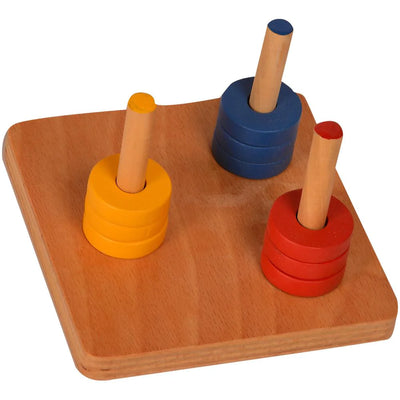
Montessori materials, such as knobbed cylinders, lacing beads, and various practical life tools, are meticulously designed to strengthen these specific muscles. Engaging with a fine motor skill toy like a threading game helps develop the pincer grip, essential for writing. Moreover, the 'chhota-mota' chores Indian children are often asked to do at home—like helping peel a banana for a grandparent, arranging lentils in a bowl, or folding napkins after dinner—are precisely the practical life activities Maria Montessori championed. These everyday tasks, often passed down through generations, naturally build the dexterity and hand-eye coordination vital for fine motor skills for writing and overall preschool motor skills development.
Gross Motor & Practical Life Skills: Building Classroom Independence
While fine motor skills focus on small movements, gross motor skills involve larger muscle groups for activities like running, jumping, balancing, and sitting upright. For Montessori school readiness, a child's ability to sit still and focus for extended periods, move confidently around the classroom, or even manage their school bag are all indicators of well-developed gross motor control and body awareness.
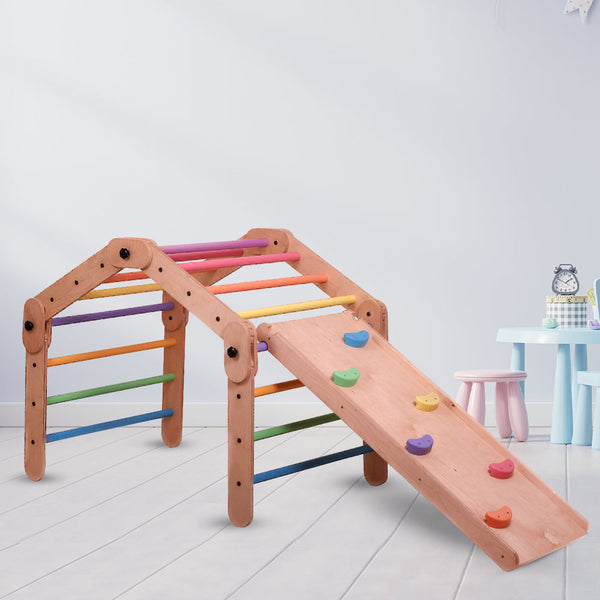
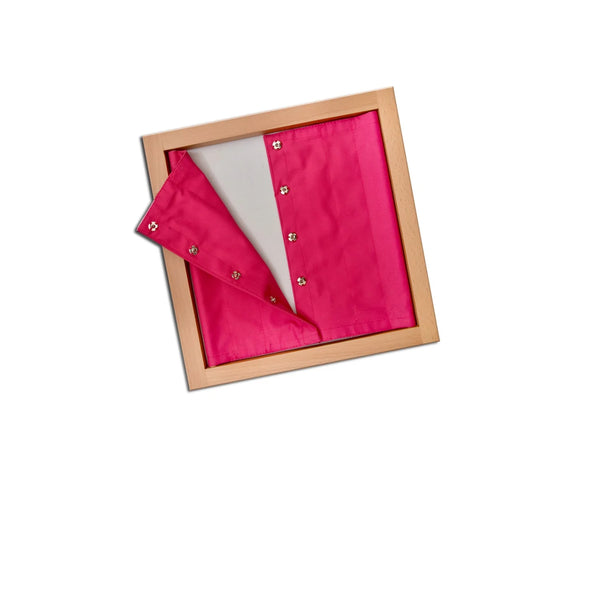
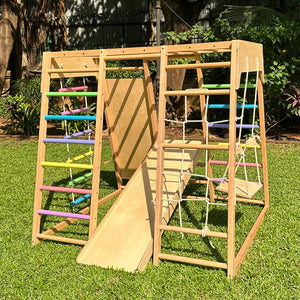
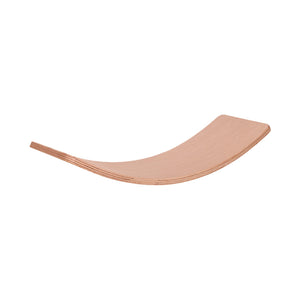
Activities that encourage climbing, balancing, or even simple tasks like carrying a tray help strengthen core muscles and coordination. A balance beam or a simple indoor slide, easily integrated into an Indian home, can be a fantastic gross motor skill toy. Practical life activities like buttoning a kurta, zipping a uniform, or tying shoelaces are crucial for self-sufficiency in school. The joy a child experiences when they can independently manage their own clothing or belongings boosts confidence and frees up their mental energy for learning, making them more resilient learners.
Choosing the Right Educational Toys for Indian Homes
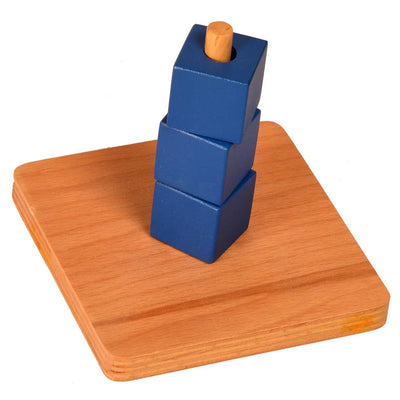
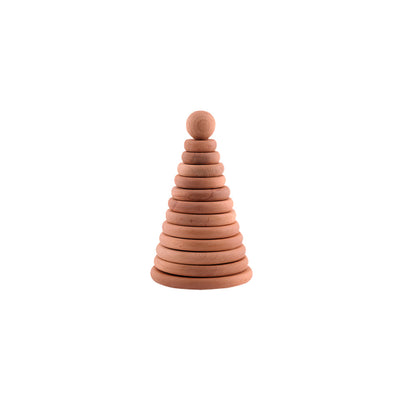
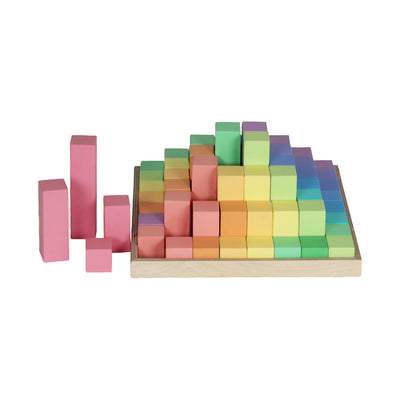
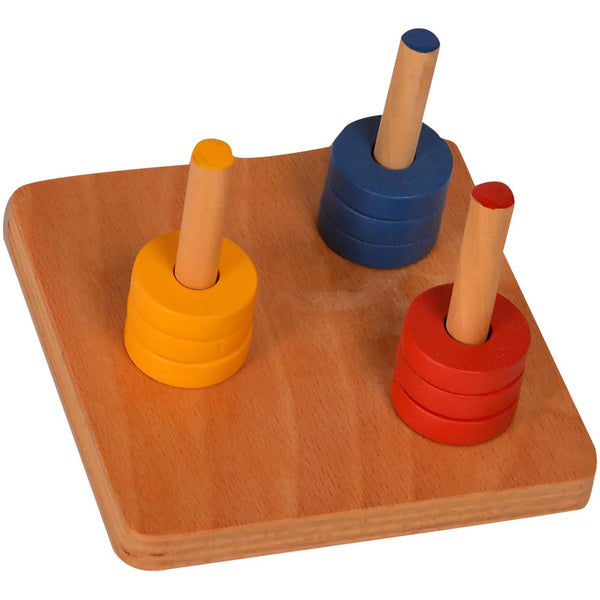
The vast market of children's toys can be overwhelming for any parent. When selecting toys to support school readiness, particularly for children aged 3-6 years, look for materials that are open-ended, allow for child-led exploration, and align with developmental stages. Wooden puzzles, stacking blocks, building sets, and art supplies encourage problem-solving and creativity, rather than simply entertaining passively.
At SkilloToys.com, we understand the unique needs of Indian families. Our collection of Montessori learning materials and toys are crafted to encourage independent discovery and skill refinement. Consider toys that mimic real-life tools in a child-safe manner, fostering a sense of capability. Engaging grandparents in this process can be particularly enriching; their wisdom often guides choices that resonate with traditional values of skill-building through natural play and work.
Developing a child's motor skills for school readiness is an active, joyful journey, not a race. By intentionally incorporating Montessori principles and age-appropriate educational toys into daily life, Indian parents can empower their children with the physical dexterity, independence, and confidence needed to excel. This proactive approach not only prepares them for the classroom but also lays a robust foundation for their contribution to a thriving Viksit Bharat 2047.