Educational Toys: A Sensory Play Roadmap (0-5 Years)
The right educational toys are foundational for a child's comprehensive sensory development from birth to five years, acting as crucial tools that help them interpret and interact with the world around them. These age-appropriate materials are not just for fun; they are designed to stimulate the senses, building neural pathways that underpin all future learning, problem-solving, and emotional regulation. For Indian parents navigating the early years, understanding this developmental roadmap is key to fostering a child's full potential.
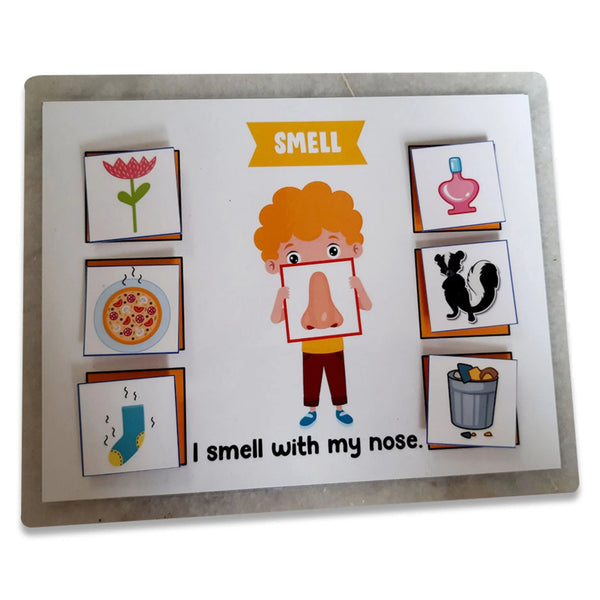
Sensory play is any activity that stimulates a child's senses: sight, sound, touch, taste, smell, balance (vestibular), and body awareness (proprioception). This matters because robust sensory experiences are critical for brain development, helping children organize information and respond appropriately to their environment. Indian parents can purposefully select toys that offer rich, varied sensory input, turning everyday play into powerful learning opportunities.
Why Sensory Development with Educational Toys Matters
Child development experts agree that the first five years are a period of rapid brain growth, where sensory experiences literally shape a child's neural architecture. Think of a baby's brain as a budding city, and sensory inputs as the roads and bridges being built. Without enough varied input, some pathways remain undeveloped, potentially impacting everything from motor skills to emotional regulation. Research shows that children with strong sensory processing skills exhibit better focus, coordination, and academic readiness later on.
In our bustling Indian homes, whether it's the aroma of freshly made chai or the sounds of a family gathering, children are constantly bombarded with sensory information. Educational toys provide a structured, safe way to process this influx, helping a child to focus on specific sensations without feeling overwhelmed. This focused engagement is crucial for developing sensory integration.
0-1 Year: The World Through Touch, Sound, and Sight (Infant Sensory Play)
From birth, infants are sensory explorers, absorbing everything through their developing senses. Their tiny hands reach, their eyes track, and their ears perk up at new sounds. During this foundational stage, sensory development 0-5 years begins with simple, direct stimulation. The American Academy of Pediatrics recommends engaging infants with objects that offer varied textures, colours, and sounds to promote neural connections.
Age-appropriate sensory toys for this stage focus on engaging primary senses. Soft fabric books, textured rattles, and mobiles with contrasting colours are excellent choices. Consider a newborn in a joint family home: the loving touch of a grandparent, the rhythmic lullaby, the gentle swaddle – all provide crucial tactile and auditory input. Montessori-inspired mobiles, designed to be visually appealing yet calming, help develop ocular tracking and concentration.
Instead of complex electronic toys, opt for simple objects like a wooden grasping rattle or soft cloth blocks. The satisfying feel of natural wood, the gentle jingle, or the squishy texture helps infants learn cause and effect and distinguish different sensory inputs. These foundational experiences build the framework for more complex learning later on.
1-3 Years: Exploring & Experimenting (Toddler Sensory Development with Montessori)
As babies transition into toddlers, their curiosity explodes. They are walking, babbling, and eager to interact with everything. This is a crucial period for refining motor skills and understanding spatial relationships through active exploration. Developmental toys for toddlers should encourage hands-on manipulation, problem-solving, and imaginative play, supporting the next stage of sensory play stages.
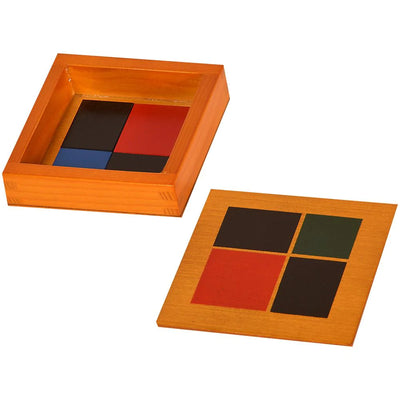
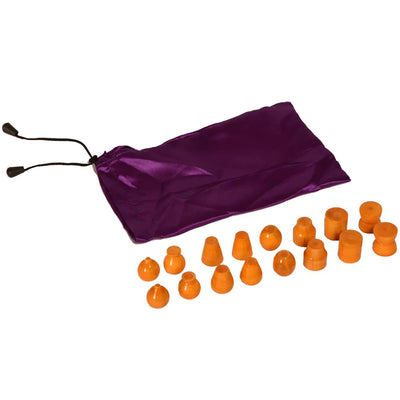
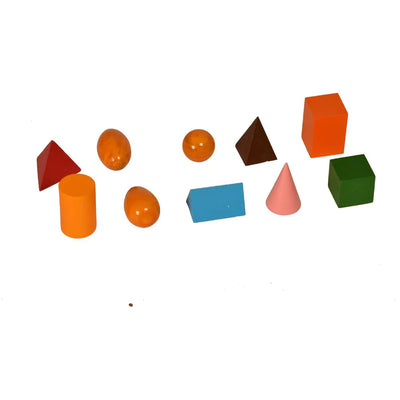
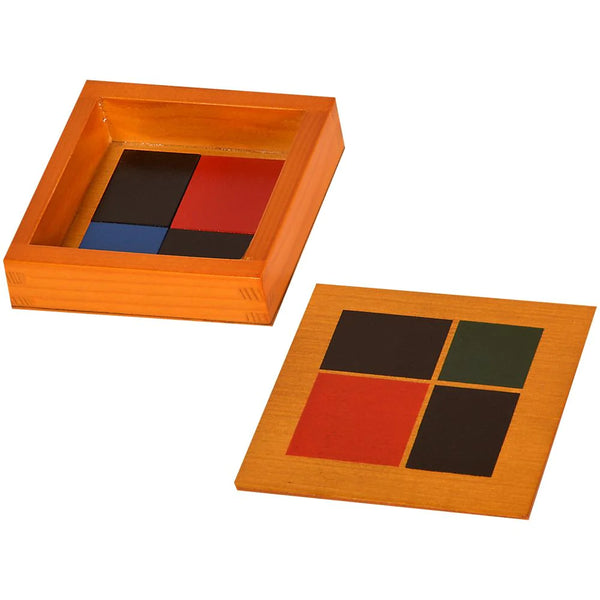
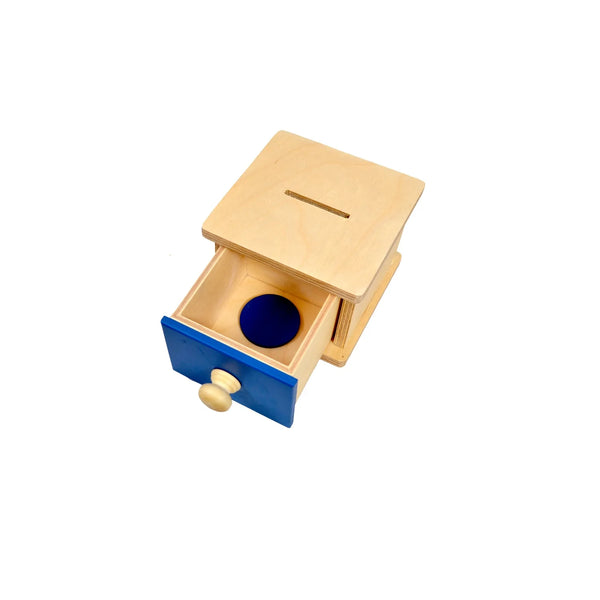
Montessori educational toys shine during this period. Materials like stacking rings, shape sorters, and nested boxes allow toddlers to explore concepts of size, shape, and order through touch and sight. For instance, a 18-month-old sorting wooden cylinders isn't just playing; they are refining their pincer grasp, hand-eye coordination, and understanding of dimensions. This active engagement, as opposed to passive observation, builds stronger neural pathways.
Consider the busy home of a Bengaluru toddler: a dedicated activity kit corner with pouring and scooping exercises using dry beans or water can provide hours of focused sensory exploration. This helps refine proprioception and fine motor skills, which are vital for daily tasks like self-feeding and dressing. Studies indicate that sustained, focused sensory play improves attention span and problem-solving abilities in toddlers.
3-5 Years: Refinement & Integration (Preschool Sensory Learning)
By preschool age, children are consolidating their sensory experiences, using them to understand more abstract concepts and engage in complex social interactions. Their brains are actively integrating information from multiple senses simultaneously, making this a pivotal stage for refining cognitive functions and preparing for formal schooling.
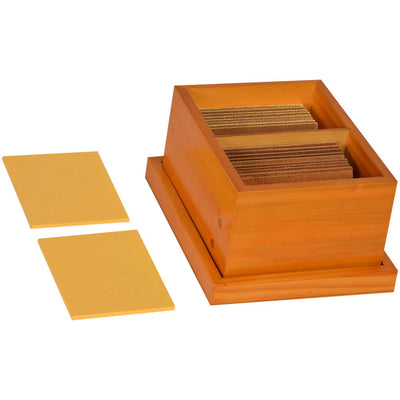
At this stage, age-appropriate sensory toys encourage creativity, fine motor precision, and conceptual understanding. Building blocks, puzzles, and art supplies become powerful tools. Sandpaper letters, a hallmark of Montessori education, engage tactile, visual, and auditory senses simultaneously, preparing children for reading and writing. This multi-sensory approach is far more effective than rote memorization, especially for children who might find traditional learning challenging.
The spirit of inclusive play, as championed by initiatives like Safdarjung Hospital's 'Umang Vatika' for children with disabilities, resonates here. Every child, regardless of ability, benefits from environments where they can engage freely and safely with stimulating materials. For parents, this means creating a home environment where a child feels empowered to choose and explore materials like Montessori method learning materials, fostering independence and deeper sensory processing.
One non-obvious insight for parents is that often, the simplest educational toys are the most powerful. While electronic gadgets promise instant entertainment, a plain wooden block set or a tray of colourful beads requires the child to actively imagine, create, and problem-solve. This self-directed engagement fosters stronger neural connections and develops intrinsic motivation, teaching children that they are the architects of their own play.
Choosing the Right Educational Toys for Progressive Sensory Play
When selecting educational toys for your child's sensory journey, think about purpose and longevity. Toys that grow with your child, offering different levels of engagement, provide lasting value. Look for items that:
- Engage Multiple Senses: Prioritise toys that stimulate touch, sight, sound, and even smell where appropriate.
- Are Open-Ended: Toys that can be used in various ways encourage creativity and sustained interest, unlike single-function toys.
- Are Made from Natural Materials: Wood, cotton, and other natural textures offer a rich tactile experience often missing in plastic toys.
- Support Independence: Montessori-inspired toys are designed for self-correction and independent exploration, empowering the child.
- Are Safe and Durable: Especially important for children who are still mouthing objects.
Remember, the goal isn't to buy every toy on the market. Instead, it's about curating a thoughtful collection that supports each stage of your child's sensory development 0-5 years. A small collection of high-quality, purposeful toys often provides more enriching experiences than a room full of clutter. This thoughtful approach helps children develop focus and appreciation, skills invaluable for facing academic pressures in India.
From the gentle touch of a grandmother's hand during a baby massage (a proprioceptive input Western therapists now study) to a preschooler meticulously arranging colourful beads, purposeful sensory engagement is at the heart of healthy development. By embracing this developmental roadmap, Indian parents can confidently guide their children towards a future filled with curious exploration and joyful learning.