Little Millennium Motor Skills: A Montessori Parent Guide
Integrating Montessori principles at home significantly enhances a child's Little Millennium motor skills development by providing a structured, child-led environment that naturally strengthens both fine and gross motor abilities essential for early learning. This proactive approach ensures children are well-prepared for the engaging curriculum offered by prominent early education institutions in India.
Motor skills are the abilities that enable a child to control their body movements, divided into fine motor skills (small muscle coordination) and gross motor skills (large muscle coordination). This matters because robust motor skill development forms the bedrock for cognitive abilities, academic success, and independence. Indian parents can actively support this by creating an enriching home environment with purposeful activities.
As Indian parents increasingly look towards foundational development for their children's future, the focus on early education institutions like Little Millennium gains prominence. The 'padhai pivot' highlighted by 'Ideas for India' underscores the urgency to close the 'school-readiness gap' for a 'Viksit Bharat 2047'. Bengaluru's SkilloToys.com understands this aspiration and offers a guide to bridge this gap, ensuring every child thrives from their early years.
In many Indian homes, where joint families and the loving guidance of grandparents are common, there's a unique opportunity to embed motor skill development into daily life. From helping with simple household chores to engaging in traditional games, these interactions lay a strong foundation, complementing formal schooling and supporting initiatives like 'Navachetana' in fostering holistic growth.
Understanding Motor Skills for Little Millennium Preschool Success
For children entering a Little Millennium preschool, a well-rounded set of motor skills is paramount. Fine motor skills involve the coordination of small muscles, primarily in the hands and fingers, enabling tasks like holding a pencil, turning pages, or using scissors. Gross motor skills, conversely, relate to the larger muscle groups, crucial for activities such as running, jumping, climbing, and balancing.
Child development experts agree that strong motor skills are predictive of academic success, influencing a child's ability to participate effectively in classroom activities and even impacting their self-esteem. Studies indicate that children with well-developed motor skills by age five are more likely to exhibit better executive function skills, including planning and problem-solving.
Montessori's Approach to Early Childhood Development India
Maria Montessori asserted that a child's movement is inextricably linked to their cognitive development. The Montessori method champions a 'prepared environment' where children are free to explore and interact with purpose-designed materials. This child-led exploration naturally refines their motor skills, concentration, and independence, making it ideal for early childhood development in India.
Research shows that children in Montessori environments often demonstrate superior fine motor coordination and concentration compared to peers in traditional settings. The materials are meticulously designed to be self-correcting, allowing children to learn from their mistakes without adult intervention, fostering intrinsic motivation and deep learning. This philosophy is easily adaptable within Indian homes, where the emphasis on self-reliance and practical skills is often cherished by grandparents.
Nurturing Fine Motor Skills for School Readiness Activities
Fine motor skills are the cornerstone of many school readiness activities. In a Montessori setting, practical life exercises like pouring water, spooning grains, buttoning frames, and zipping clothes are not just chores; they are deliberate activities designed to strengthen finger muscles, improve hand-eye coordination, and develop concentration. These tasks are fundamental for later writing and self-care skills.
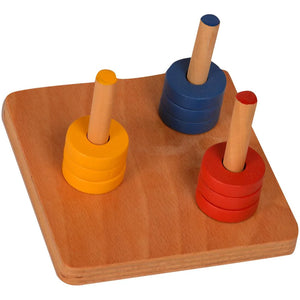
Montessori sensorial materials, such as the Pink Tower or Knobbed Cylinders, further refine fine motor control through precise manipulation. Providing children with opportunities to engage with these types of activities at home, perhaps by involving them in simple kitchen tasks like kneading dough or sorting pulses, can be immensely beneficial. For purposeful tools, explore our collection of fine motor skill toys designed to enhance precision and hand-eye coordination, much like the quality and intent seen in toy brands built on educational principles.
Cultivating Gross Motor Skills for Preschool Motor Skills Mastery
Gross motor skills provide the stability and coordination necessary for navigating a classroom and engaging in active play. Montessori encourages movement through activities like walking on a line, carrying trays, and manipulating large-scale building blocks. These exercises build balance, spatial awareness, and body control – essential preschool motor skills.
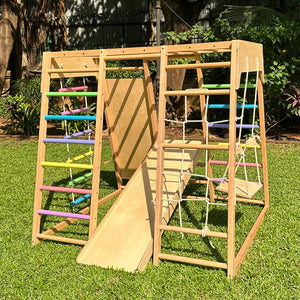
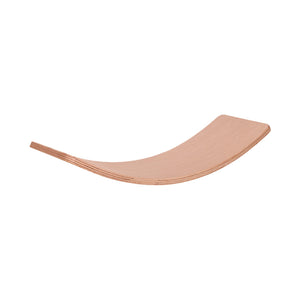
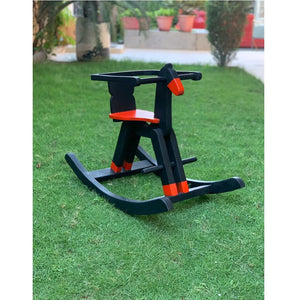
Encouraging outdoor play is equally vital. Whether it's running in a local park, playing traditional Indian games like kho-kho or hopscotch, or simply climbing on age-appropriate play structures, these activities boost strength, agility, and cardiovascular health. For developing strength and coordination, browse our gross motor skill toys. Initiatives like 'Navachetana' highlight the national focus on comprehensive development, including robust physical activity, for young learners.
Integrating Montessori at Home: Practical Tips for Indian Parents
Creating a Montessori-inspired home environment doesn't require an overhaul; it's about thoughtful integration. Start by observing your child's interests and abilities. Provide accessible, child-sized tools for daily tasks, such as a small broom or a child-friendly jug for pouring water.
Encourage independence by allowing children to participate in household chores like setting the table or folding small clothes. Offer open-ended materials like building blocks, art supplies, and practical life tools. Remember, the goal is to foster concentration and coordination through meaningful, self-directed activity. Involving grandparents in these activities can also enrich the child's experience, connecting modern educational approaches with traditional family values.
- Montessori principles directly support Little Millennium motor skills development through purposeful, child-led activities.
- Fine motor skills are crucial for school readiness tasks like writing, drawing, and independent self-care.
- Gross motor skills build essential balance, coordination, strength, and confidence for physical activity and classroom navigation.
- A prepared, accessible home environment significantly enhances a child's natural drive to explore and master new motor skills.
- Child development experts emphasize that early motor skill acquisition is strongly linked to overall cognitive growth and academic success.
- Integrating Montessori practices at home, with family involvement, provides a holistic foundation for preschool readiness in India.
By thoughtfully applying Montessori principles at home, Indian parents can significantly enhance their child's motor skill development, preparing them not just for institutions like Little Millennium, but for a lifetime of confident learning and independence. This synergy between home and early education lays the groundwork for a brighter future.
Discover our full range of Montessori learning materials and toys that can transform your home into a vibrant, skill-building learning space, right here at SkilloToys.com.