Malayalam Alphabets: Montessori Fine Motor Skill Activities
Mastering malayalam alphabets effectively integrates fine motor skill development, crucial for writing readiness and cognitive growth in young children. Montessori methods provide a structured, multi-sensory approach, using tactile materials and hands-on activities to help Indian children develop the precision and coordination needed for beautiful handwriting. Child development experts agree that early exposure to regional language literacy, combined with practical life skills, lays a strong foundation for future learning.
In homes across Kerala and among Malayalam-speaking families worldwide, the desire to impart the rich heritage of the Malayalam language to children is profound. This guide focuses on how parents can leverage Montessori principles and educational toys to make learning the intricate Malayalam varnamala a joyful and enriching experience, nurturing fine motor skills along the way.
Mastering Malayalam Alphabets: The Montessori Way
Mastering Malayalam Alphabets involves a child's ability to recognise, form, and understand the 56 letters of the Malayalam varnamala. This matters immensely because it builds a strong foundation for literacy, communication, and cultural connection, essential for a child's holistic development in India. Indian parents can actively support this journey by introducing engaging Montessori-inspired activities at home.
Maria Montessori's philosophy emphasises self-directed activity, hands-on learning, and collaborative play, which are perfectly suited for language acquisition. For Malayalam, this translates into engaging children's senses — touch, sight, and sound — to internalise the unique shapes and phonetics of each letter. This approach not only teaches the alphabet but also fosters independence and concentration, vital skills for a child's journey towards Viksit Bharat 2047, as highlighted in recent discussions on closing the school-readiness gap.
Montessori Malayalam Learning: A Multi-Sensory Approach
Montessori Malayalam learning thrives on engaging multiple senses, which significantly enhances a child's understanding and retention of complex letter forms. This method ensures that children don't just memorise letters but truly internalise them through tactile and kinesthetic experiences, which is particularly effective for the visually rich Malayalam script. Studies indicate that multi-sensory learning improves information retention rates by up to 80% compared to purely auditory or visual methods alone.
Parents can introduce Sandpaper Letters (customised for Malayalam) where children trace the rough texture of the letter while saying its sound. This classic Montessori material is invaluable. Following this, movable alphabet sets allow children to physically construct words, fostering an understanding of letter combinations and spelling, a natural progression from individual letter mastery.
Hands-On Malayalam Letter Tracing Activities
Hands-on malayalam letter tracing activities are fundamental for developing the precise fine motor skills required for writing the beautiful, flowing script. These activities help build muscle memory and control, preparing the child's hand for later pencil-and-paper work without the pressure of perfection. This careful preparation prevents frustration and builds confidence in young learners.
Simple tools like tracing boards with engraved Malayalam letters, or even a tray of sand or rice where children can trace with their fingers, are incredibly effective. For older toddlers (18-24 months), chunky crayons or fine motor skill toys like lacing beads can strengthen their pincer grip, an essential pre-writing skill. As children progress, dry-erase boards and markers offer a reusable surface for repeated practice, making corrections easy and encouraging persistent effort.
Engaging Malayalam Varnamala Activities for Home
Incorporating engaging malayalam varnamala activities into daily routines at home transforms learning into play, making it a natural part of a child's world. This approach ensures that children view learning as an enjoyable exploration rather than a chore, a sentiment echoed by many successful entrepreneurs in the sustainable toy business who understand the power of playful learning.
Consider creating a "Malayalam Letter of the Week" where the family focuses on one letter through songs, stories, and crafts. Using playdough to sculpt letters, finger painting alphabets, or even baking letter-shaped cookies can make learning memorable. Grandparents can play a crucial role here, sharing stories and songs in Malayalam, creating a rich linguistic environment that naturally reinforces letter recognition and phonetic sounds.
Creative Ways to Build Fine Motor Skills for Malayalam Writing
Building fine motor skills for Malayalam writing goes beyond just tracing; it involves a variety of activities that strengthen hand muscles and coordination. These seemingly simple tasks lay the groundwork for legible handwriting and sustained writing endurance. A strong foundation in fine motor skills reduces strain and improves the fluidity of writing, essential for mastering the complex strokes of Malayalam.
Activities such as stringing beads, using child-safe scissors for cutting paper shapes, picking up small objects with tongs, and playing with building blocks all contribute to developing hand strength and precision. Even practical life activities like buttoning shirts or zipping jackets are fantastic for fine motor development. SkilloToys offers a range of fine motor skill-enhancing toys that naturally integrate these skills into play.
Choosing Educational Toys for Malayalam Skill Development
Choosing the right educational toys malayalam skill development is paramount, ensuring that playtime is purposeful and aligned with learning objectives. High-quality Montessori-inspired toys are designed to isolate skills, allowing children to focus on one learning objective at a time, such as letter recognition or fine motor control. The Better India recently featured a Harvard PhD mum who built a multi-crore sustainable toy business, underscoring the value of thoughtfully designed, educational play.
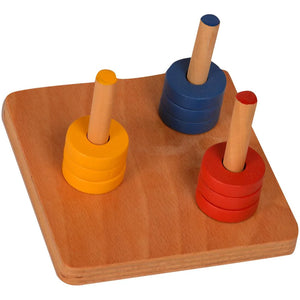
Look for wooden alphabet puzzles with Malayalam letters, stacking and nesting toys that encourage hand-eye coordination, and lacing cards featuring regional motifs or letters. These toys are not just entertaining; they are powerful tools for developing cognitive skills, problem-solving abilities, and the essential fine motor control needed for writing. Exploring the Montessori collection at SkilloToys reveals a treasure trove of materials perfectly suited for this journey.
Integrating Language and Play: The SkilloToys Advantage
Integrating language learning with play is the most effective method for young children, as it harnesses their natural curiosity and desire to explore. SkilloToys understands the unique needs of Indian parents, offering a curated selection of educational toys that support regional language development alongside crucial physical milestones. Our products are designed to be durable, safe, and deeply engaging, making learning a joyful experience.
From puzzles that introduce the Malayalam varnamala to building sets that encourage creative expression and fine motor development, our range empowers parents to create a stimulating learning environment at home. These tools are invaluable for parents who wish to give their children a head start in mastering Malayalam while fostering a love for learning.
- Mastering Malayalam alphabets requires strong fine motor skills for accurate letter formation.
- Montessori methods, using multi-sensory materials like Sandpaper Letters, significantly enhance Malayalam letter recognition and retention.
- Early exposure to Malayalam alphabets through play, ideally from 3-4 years, builds a solid literacy foundation.
- Hands-on activities such as tracing, sculpting letters with playdough, and using lacing toys strengthen pre-writing skills.
- Educational toys specifically designed for Malayalam alphabets provide engaging, purposeful learning experiences for children.
- Integrating regional language learning with practical life activities fosters holistic child development and cultural connection.