Malyalam Activities for Kids: Boost Motor Skills
Engaging malyalam activities are essential for holistic child development, directly linking linguistic exposure with critical motor skill acquisition. Research shows that integrating language learning with physical play significantly enhances cognitive and physical milestones, providing a solid foundation for school readiness in young Indian children.
Motor skills development involves strengthening a child's muscles and coordination for movement, encompassing both fine motor (small, precise movements like writing) and gross motor (large movements like running) abilities. This matters immensely because well-developed motor skills are foundational for academic success, self-care, and confident interaction with the world. Indian parents can actively support this by providing playful, language-rich environments at home.
Why Engaging Malayalam Activities Boost Motor Skills
Integrating Malayalam activities into a child's routine naturally stimulates brain development and strengthens physical coordination. Studies indicate that early exposure to a native language through interactive play can improve neural pathways responsible for both language processing and motor planning. This holistic approach aligns perfectly with the 'padhai pivot' initiative, aiming to close school-readiness gaps for Viksit Bharat 2047, by ensuring children are physically and cognitively prepared.
Fine Motor Skills Malayalam Activities for Precision
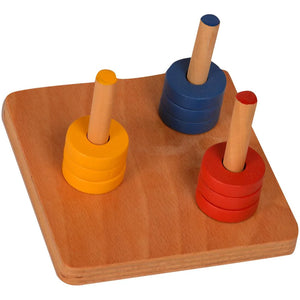
Fine motor skills involve the coordinated movements of small muscles, particularly in the hands and fingers. For young children, these skills are crucial for tasks like writing, drawing, and self-feeding. Incorporating fine motor skill toys into Malayalam learning provides a powerful boost.
- Tracing Malayalam Alphabets in Sand or Salt: A classic Montessori activity, children use their fingers to trace letters of the Malayalam alphabet ('Aksharamala') in a tray of sand or salt. This tactile experience strengthens finger muscles and introduces letter shapes.
- Bead Stringing and Pattern Creation: Use colourful beads to create patterns, perhaps correlating colours to elements of Kerala's culture or stringing a specific number of beads for each letter in a Malayalam word. This enhances hand-eye coordination and pincer grasp.
- Playdough Malayalam Shapes: Encourage children to roll, pinch, and sculpt playdough into the distinctive curves and lines of Malayalam letters or traditional symbols like an 'onappookkalam' design. This builds hand strength and dexterity.
- Sorting and Transferring Small Items: Use small items like chickpeas or colourful buttons. Have children sort them into bowls, perhaps naming the colours or counting in Malayalam. Tools like tweezers can further refine the pincer grasp.
Gross Motor Skills Malayalam Activities for Movement and Coordination
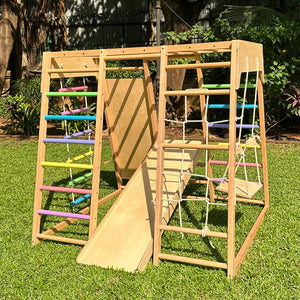
Gross motor skills involve the large muscles of the body, essential for walking, running, jumping, and maintaining balance. Integrating these into gross motor skill toys and games ensures comprehensive physical development. These activities are perfect for joint family settings, involving grandparents in traditional play.
- Malayalam Action Rhymes and Songs: Songs like 'Olakkodikkoodan' or simple action rhymes where children mimic movements mentioned in the lyrics help improve coordination, balance, and spatial awareness. Encourage dramatic play.
- Traditional Kerala Games: Adapt traditional games like 'kuttiyum kolum' (using safe, child-friendly versions) or simple running games where instructions are given in Malayalam. Games like 'Thumbi Thullal' (butterfly dance) during festivals encourage free, expressive movement.
- Storytelling with Movement: Read a simple Malayalam story and have children act out the characters' actions – jumping like a rabbit, swaying like a coconut tree, or paddling a canoe. This combines imaginative play with large muscle engagement.
- Outdoor Scavenger Hunts (Malayalam Themed): Hide objects around the garden or park, giving clues in Malayalam. Children run, climb, and explore to find them, building stamina and problem-solving skills.
Integrating Montessori Principles for Malayalam Learning
Child development experts agree that the Montessori approach, championed by Maria Montessori, fosters independence and natural learning. Applying these principles to Montessori Malayalam activities creates a rich learning environment. This method is all about hands-on exploration and sensory engagement, making learning both effective and joyful for children from Bengaluru to Kozhikode.
- Sensorial Exploration of Malayalam: Just as Montessori uses sandpaper letters for English, creating sandpaper Malayalam letters allows children to trace and feel the unique script, engaging multiple senses.
- Practical Life Skills with a Malayalam Twist: Involve children in daily chores, giving instructions in Malayalam. Simple tasks like pouring water, sweeping, or folding clothes develop concentration and coordination while naturally immersing them in the language.
- Child-Led Discovery: Present various Malayalam-themed materials – books, puzzles, flashcards, or even objects from Kerala's culture – and allow children to choose what interests them. This fosters intrinsic motivation and deeper engagement.
Nurturing a Love for Malayalam and Movement at Home
Creating an environment where learning Malayalam and developing motor skills feels like play is key. As The Times of India highlighted, '5 fun tricks to supercharge fine motor skills' often involve making activities enjoyable and integrated into daily life. This builds confidence and curiosity, crucial for a child's overall development.
Make learning a family affair. Grandparents can share traditional Malayalam songs or stories, while parents can set up designated activity zones. Consistency is more important than duration; even 15-20 minutes of focused play daily can yield significant results. Remember, the goal is not perfection, but participation and joyful discovery.
By blending the richness of Malayalam language and culture with purposeful motor skill activities, Indian parents can provide their children with a unique developmental advantage. SkilloToys.com is committed to supporting this journey with high-quality, educational toys that inspire learning and growth.
- Engaging malyalam activities are proven to enhance both cognitive and physical development in children.
- Early integration of language learning with play significantly boosts fine and gross motor skills.
- Fine motor skills benefit from activities like tracing Malayalam letters, stringing beads, and playdough sculpting.
- Gross motor skills are developed through Malayalam action rhymes, traditional games, and movement-based storytelling.
- Montessori principles, such as sensorial exploration and child-led discovery, are highly effective for Malayalam motor skill development.
- Consistent, joyful engagement in language and movement activities at home fosters school readiness and a love for learning.
What is the best age to start Malayalam motor skill activities?
Children can begin engaging with simple Malayalam-related motor activities as early as 18-24 months. Early exposure to language and movement through play helps foster natural development and a love for learning.
How do Malayalam learning games help develop fine motor skills?
Malayalam learning games, such as tracing letters in sand, stringing beads to form patterns, or using playdough to shape traditional symbols, require precise hand-eye coordination and finger dexterity, directly enhancing fine motor skills.
Can gross motor skills be improved through Malayalam activities?
Yes, gross motor skills are significantly improved through Malayalam activities like acting out rhymes, dancing to folk songs, or participating in traditional outdoor games. These activities involve large muscle movements, balance, and coordination.
What role do Montessori principles play in Malayalam motor skill development?
Montessori principles emphasize hands-on, self-directed learning using sensorial materials. Adapting Montessori methods, such as using sandpaper Malayalam letters or sorting language-themed objects, allows children to explore and develop motor skills at their own pace.
Are there simple Malayalam activities for joint families to do together?
Absolutely. Joint families can engage in activities like storytelling with hand gestures, singing Malayalam songs while dancing, or creating collaborative art projects inspired by Kerala's culture. These foster bonding while developing motor skills and language.