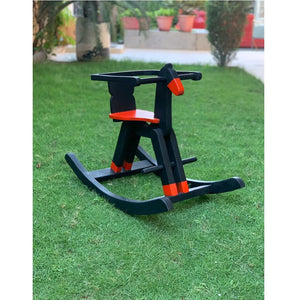
Montessori Activities for School Readiness Motor Skills
Montessori activities for school readiness motor skills are pivotal in ensuring Indian children are physically prepared for the demands of early education, setting a strong foundation for their journey towards Viksit Bharat 2047. Research shows that strong motor skills directly correlate with academic success and self-confidence in school-aged children, enabling them to engage effectively with classroom tasks and social interactions.
What are Montessori Activities for School Readiness Motor Skills?
Montessori activities for school readiness motor skills are purposeful, hands-on tasks designed to develop a child's gross and fine motor coordination, balance, and strength. This matters because these foundational physical abilities are crucial for classroom tasks like writing and sitting. Indian parents can easily integrate these activities using common household items and specific educational toys.The Viksit Bharat Connection & Motor Skills Foundation
The national focus on "The padhai pivot: Closing the school-readiness gap for Viksit Bharat 2047" highlights the imperative to prepare our youngest citizens. Child development experts agree that robust motor skills are not just about physical agility; they are integral to cognitive development and a child's ability to engage with their environment. In the context of India's vision for Viksit Bharat 2047, ensuring every child starts school with these essential capabilities is a strategic investment in our future.
Montessori education, pioneered by Maria Montessori, inherently understands this connection, offering a structured yet child-led approach to develop these vital skills. From handling everyday objects to complex puzzles, each activity is designed to refine muscle control, coordination, and concentration. This holistic preparation empowers children to thrive in the classroom, navigate social settings, and confidently embrace new challenges.
Studies indicate that children with well-developed gross and fine motor skills by age five exhibit higher levels of school engagement and problem-solving abilities. This readiness extends beyond academics, fostering independence and confidence crucial for navigating the diverse environment of an Indian classroom, from lining up for assembly to managing their lunchboxes.
Essential Gross Motor Skills for Kindergarten Success
Gross motor skills involve the movement of large muscle groups and are fundamental for balance, coordination, and body awareness. For Indian children entering kindergarten, these skills are essential for participating in outdoor play, sitting still during lessons, and even navigating school corridors safely. Developing these capabilities prevents clumsy movements and builds the physical stamina required for a full school day.
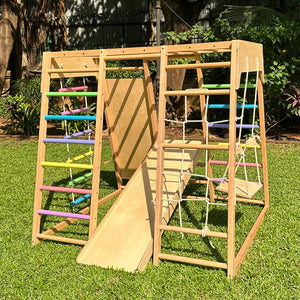
Montessori activities naturally encourage the development of these skills. Simple tasks like walking on a line (a common Montessori activity), carrying objects of varying weights, or engaging in practical life activities like sweeping the floor build strength and coordination. Outdoor play, whether it's climbing a jungle gym in the park or playing traditional Indian games like kho-kho with family, provides invaluable opportunities for children to explore their physical boundaries and enhance their agility.
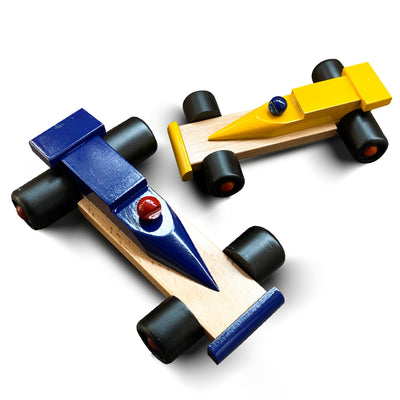
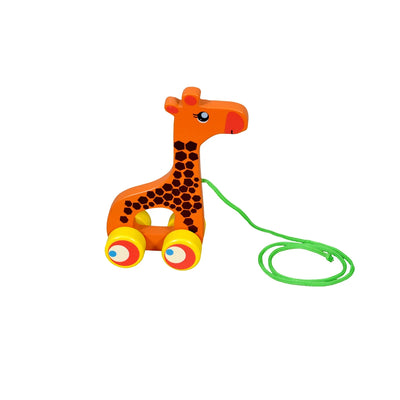
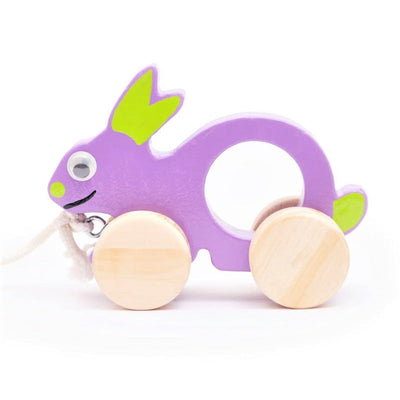
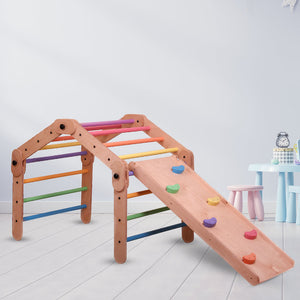
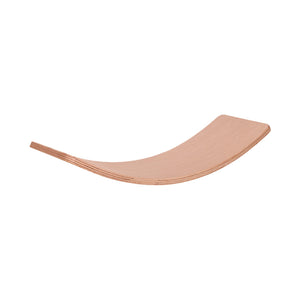
SkilloToys.com offers a range of gross motor skill toys designed to support this development. Items like balance boards, stepping stones, and push-pull toys encourage active movement and coordination. These tools, often found in a well-equipped Montessori environment, are perfect for an Indian home setting, allowing children to safely practice movements that build core strength and spatial awareness.
Developing Fine Motor Skills for Preschool Readiness
Fine motor skills involve the precise coordination of small muscles, especially in the hands and fingers, in conjunction with the eyes. These skills are critical for tasks like holding a pencil, turning pages, buttoning clothes, and using scissors – all prerequisites for academic and self-care independence in preschool. Without strong fine motor skills, children can become frustrated, impacting their confidence and engagement in learning.
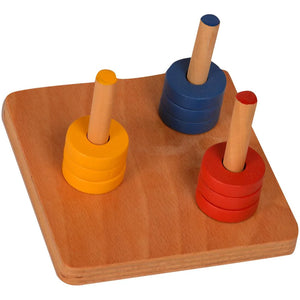
Montessori activities excel in refining fine motor control. Practical life exercises such as pouring water, spooning dry lentils, transferring beads with tongs, and fastening buttons or zippers directly target these muscles. Manipulative materials like the Pink Tower (for grading size), Knobbed Cylinders (for precise grip), and Montessori materials that involve sorting and stacking provide structured practice. Even activities like kneading atta for rotis or stringing beads during festivals within a joint family setting offer natural, culturally relevant opportunities for development.
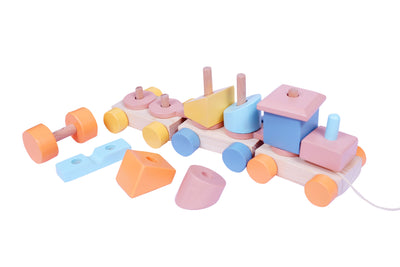
For focused fine motor development, explore SkilloToys' extensive collection of fine motor skill toys. These include lacing beads, puzzles with varying knob sizes, threading activities, and intricate building blocks. Such toys are not merely playthings; they are carefully designed tools that strengthen the pincer grasp, improve hand-eye coordination, and foster concentration – skills essential for a smooth transition into school.
Integrating Montessori Principles into Daily Indian Life
The beauty of the Montessori approach lies in its adaptability to everyday life, particularly within the vibrant context of Indian homes. Parents and grandparents play a crucial role as facilitators, offering opportunities for purposeful work. In a joint family, simple chores like helping to fold laundry, sorting spices, or arranging puja items naturally develop motor skills and a sense of responsibility.
Encourage your child to participate in age-appropriate household tasks. This could involve setting the table with unbreakable cutlery, watering plants in the balcony, or helping pack their own school bag. These activities, often seen as mere chores, are invaluable Montessori "practical life" exercises that enhance coordination, independence, and concentration. Celebrating festivals like Diwali or Ganesh Chaturthi also presents opportunities for children to engage in crafts, decorations, and food preparation, all of which hone their motor skills in a culturally rich environment.
Your Child's School Readiness Checklist: Motor Skills Edition
As you prepare your child for preschool or kindergarten, it’s helpful to observe their motor skill development. This isn't a pass/fail test but a guide to identify areas where more support might be beneficial.
- Gross Motor: Can your child run, jump, hop on one foot, and balance for a few seconds? Can they throw and catch a large ball? Do they navigate stairs confidently?
- Fine Motor: Can they hold a crayon or pencil with a developing grasp? Can they use scissors to cut along a line? Can they stack blocks, string large beads, or button their own clothes? Can they manipulate small objects like rice grains with their fingertips?
If you notice areas needing extra practice, remember that consistent, joyful engagement through play and purposeful activities yields the best results. SkilloToys.com provides resources and materials tailored to help bridge any gaps and ensure your child enters school with confidence.
- Montessori activities are crucial for developing motor skills essential for school readiness in India.
- Strong gross and fine motor skills directly support academic success and self-confidence in early education.
- Maria Montessori's methods emphasize practical life activities that naturally enhance coordination and concentration.
- Integrating Montessori principles into daily Indian routines, such as household chores and festival preparations, boosts child development.
- Specific educational toys, readily available at SkilloToys.com, are designed to target and strengthen both fine and gross motor skills.
- Research indicates that children with developed motor skills by age five show higher school engagement and problem-solving abilities.
Why are motor skills so important for school readiness?
Motor skills are fundamental for school readiness because they enable children to perform daily classroom tasks such as holding a pencil, cutting with scissors, sitting still, and navigating the school environment. These physical abilities directly impact a child's confidence, independence, and overall engagement in learning, setting a strong foundation for future academic success.
What is the difference between gross and fine motor skills?
Gross motor skills involve the large muscles in the torso, arms, and legs, crucial for activities like running, jumping, balancing, and climbing. Fine motor skills involve the small muscles in the hands and fingers, vital for precise actions such as writing, drawing, buttoning clothes, and manipulating small objects. Both are equally important for a child's holistic development.
How can I incorporate Montessori activities at home without a dedicated classroom?
You can easily incorporate Montessori activities at home by involving your child in practical life skills like pouring water, spooning dry ingredients, sweeping, or helping with meal preparation. Provide child-sized tools and create a "prepared environment" where materials are accessible. Educational toys from SkilloToys.com are also designed to bring Montessori principles into your living space.
At what age should I start focusing on school readiness motor skills?
Parents can begin nurturing motor skills from infancy, with a more focused approach to school readiness skills typically starting around 18-24 months. Early activities like stacking blocks, exploring textures, and climbing promote foundational development. Consistent engagement through play and purposeful tasks throughout the preschool years (ages 3-5) is most beneficial.
Are educational toys truly effective for motor skill development?
Yes, educational toys are highly effective for motor skill development as they are specifically designed to provide engaging, repetitive practice for targeted skills. Toys such as lacing beads, puzzles, building blocks, and balance boards strengthen hand-eye coordination, fine motor control, and gross motor abilities in a fun, child-led manner. They are excellent complements to practical life activities.