Montessori Cerebral Palsy Toys: Tailoring Motor Support
Empowering children with cerebral palsy to achieve their full motor potential is a deeply personal journey for many Indian families. SkilloToys.com firmly believes that carefully selected Montessori cerebral palsy toys are essential tools in this process, offering a structured yet adaptable path to developing vital motor skills across the diverse clinical spectrum of cerebral palsy. Understanding each child's unique needs allows for a truly tailored approach.
As recent news highlights the 'clinical spectrum and associated comorbidities of cerebral palsy among children in Eastern India', it underscores the importance of customised support. This guide delves into how Montessori and educational toys can specifically address the varied challenges children with CP face, transforming everyday play into powerful therapeutic learning experiences right at home.
Cerebral Palsy and Motor Skill Development Defined:
Cerebral Palsy (CP) is a group of permanent movement disorders that appear in early childhood. This condition primarily affects motor skills development, including balance, posture, and coordination, due to non-progressive brain damage. This matters immensely because tailored interventions can significantly improve a child's functional independence and quality of life. Indian parents can proactively support their child by integrating specialized educational toys into daily routines.
Understanding the Cerebral Palsy Spectrum for Tailored Support
Child development experts agree that cerebral palsy is not a single condition but a spectrum, with varying types like spastic, dyskinetic, and ataxic CP, each impacting motor skills differently. For instance, a child with spastic diplegia might primarily need support for leg movement and balance, while one with dyskinetic CP might require tools to manage involuntary movements. Recognizing these distinctions is the first step in tailoring Montessori CP interventions.
Studies indicate that a one-size-fits-all approach is ineffective. Instead, a thorough assessment of a child's specific motor challenges – whether it's difficulty with fine motor precision, gross motor coordination, or sensory processing – is paramount. This personalised understanding allows parents and therapists to select the most appropriate educational toys for cerebral palsy, ensuring that resources are optimally utilized to foster growth.
Montessori Principles for Cerebral Palsy Motor Skills Development
Maria Montessori's philosophy, centered on self-directed activity, hands-on learning, and a prepared environment, aligns remarkably well with the needs of children requiring cerebral palsy motor skills development. The Montessori method emphasizes purposeful work, which naturally builds strength, coordination, and independence. Materials are designed with inherent control of error, allowing children to learn and correct themselves without constant adult intervention, fostering self-esteem.
For a child with CP, a prepared Montessori environment means ensuring materials are accessible and adapted to their physical capabilities. This might involve stable seating, non-slip mats, or modified handles on tools. The focus is always on enabling the child to engage actively with their learning, promoting concentration and intrinsic motivation – a cornerstone of effective therapy. Research shows that consistent, stimulating environments, such as those fostered by Montessori principles, can lead to substantial gains in motor skills.
Selecting Educational Toys for Specific Motor Challenges in CP Children
Choosing the right Montessori and educational toys for cerebral palsy involves targeting specific motor challenges. This targeted approach ensures maximum benefit and engagement for the child.
Supporting Fine Motor Skill Development
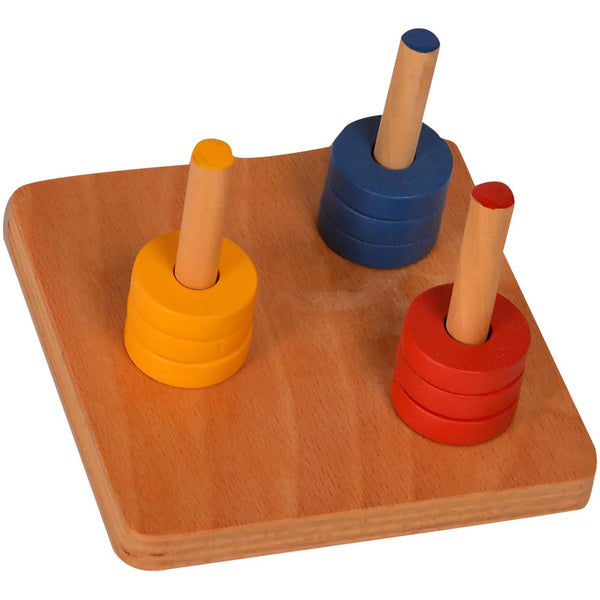
For children working on fine motor skills – crucial for tasks like eating, writing, or dressing – toys that encourage precision, grip, and dexterity are vital. This includes knobbed cylinders for developing the pincer grasp, lacing beads for bilateral coordination, and puzzles with large, easy-to-grip knobs. Our range of fine motor skill toys at SkilloToys.com is designed to cater to various levels of hand strength and coordination, making them adaptable for different CP presentations.
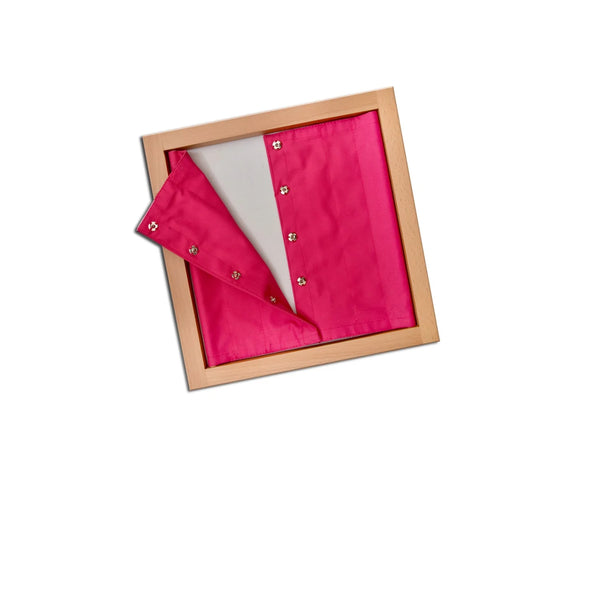
Consider sandpaper letters for tactile discrimination and early literacy, or dressing frames that help practice buttons, zippers, and buckles. These practical life activities build not just motor skills but also crucial life independence, deeply resonating with the Montessori emphasis on self-care and functional living.
Enhancing Gross Motor Skills and Balance
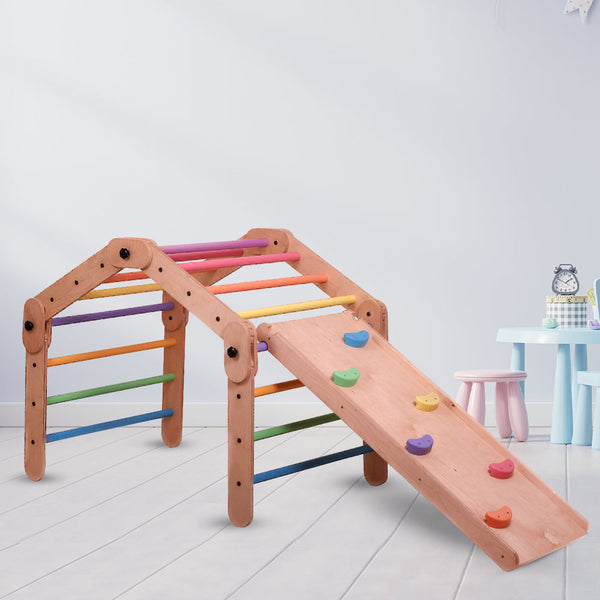
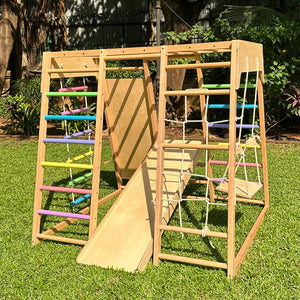
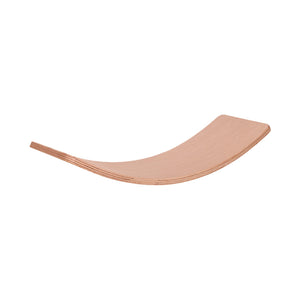
Gross motor skills, involving larger muscle groups, are fundamental for mobility and balance. Educational toys that encourage crawling, standing, walking, and balancing are incredibly beneficial. Examples include low balancing beams, soft blocks for stacking and knocking down, or large push-pull toys that provide support and encourage movement. For building strength and balance, explore our gross motor skill equipment designed for safety and engagement.
Children can also benefit from activities like rolling large balls, navigating obstacle courses adapted to their abilities, or engaging in rhythmic movements. This playful engagement is key; as seen in studies on children with autism, sports and playful movement can significantly improve motor skills across various developmental challenges.
Addressing Sensory Integration Challenges
Many children with CP also experience sensory processing differences. Montessori materials naturally incorporate multi-sensory experiences, which can be immensely helpful. Textured tablets, sound cylinders, or color tablets engage different senses, helping children process and integrate sensory information. This holistic approach supports overall development and can improve motor responses by enhancing sensory awareness.
Integrating Montessori at Home: A Guide for Indian Parents
Bringing Montessori principles into an Indian home, often a bustling hub of joint family life, is entirely achievable. Create a 'prepared environment' by designating an accessible area for your child's educational toys. This space should be uncluttered and allow for independent movement and exploration. For instance, a low shelf for materials placed on a soft mat on the floor can be ideal for children working on sitting or crawling.
Involve grandparents and other family members in understanding the purpose of each toy, encouraging consistent interaction. The focus on practical life skills can be woven into daily chores – helping with setting the table (with adapted utensils), folding clothes, or watering plants. These activities, familiar in every Indian household, become powerful tools for specific motor challenges CP children face, fostering independence and a sense of belonging. This focus on early learning and functional skills directly contributes to closing the school-readiness gap, a vital step towards Viksit Bharat 2047.
The Role of Consistent Engagement and Play in Progress
Consistency and patience are vital in supporting a child's cerebral palsy motor skills development. Short, regular play sessions are often more effective than infrequent, long ones. Make learning fun and engaging; children learn best through play. Celebrate small victories, whether it's grasping a block for the first time or taking an assisted step.
Collaboration with occupational therapists and physiotherapists is crucial. They can provide tailored exercises and recommend specific Montessori cerebral palsy toys that align with your child's therapy goals. Studies indicate that early intervention in children with cerebral palsy can significantly improve motor function and overall developmental outcomes by up to 30-40% when combined with consistent home-based support. SkilloToys.com is committed to providing the resources that empower Indian parents on this incredible journey.
- Montessori principles adapt effectively to diverse motor challenges associated with Cerebral Palsy.
- Tailored selection of educational toys is crucial for optimizing cerebral palsy motor skills development.
- Early and consistent intervention with specialized toys significantly impacts a child's progress.
- SkilloToys offers a wide range of Montessori materials supporting specific motor skill needs for CP.
- Integrating Montessori at home fosters strength, coordination, and independence in a supportive environment.
- Collaborating with therapists enhances the effectiveness of home-based Montessori learning for children with CP.
How do Montessori principles help children with Cerebral Palsy?
Montessori principles, such as a prepared environment, hands-on learning, and self-directed activity, directly support children with Cerebral Palsy by encouraging independence, building motor skills through purposeful work, and fostering concentration. The adaptable nature of Montessori materials allows for customisation to meet diverse physical needs.
What specific types of Montessori cerebral palsy toys are best for fine motor skills?
For fine motor skills, Montessori cerebral palsy toys like knobbed cylinders, lacing beads, stacking blocks, and puzzles with varying grip sizes are highly effective. These materials encourage grasping, pinching, manipulating small objects, and developing hand-eye coordination, all crucial for daily tasks.
Can gross motor skills be improved with Montessori toys for CP children?
Yes, gross motor skills can be significantly improved with appropriate Montessori-inspired activities and educational toys for cerebral palsy. Balancing beams, stepping stones, large block construction, and walking frames encourage balance, core strength, coordination, and mobility in a supportive and engaging way.
How important is early intervention with Montessori educational toys for CP?
Early intervention with Montessori educational toys for children with Cerebral Palsy is critically important. Research shows that engaging children from a young age with tailored activities can significantly enhance neuroplasticity, improve motor function, and set a stronger foundation for lifelong development and independence.
How can Indian parents integrate Montessori cerebral palsy toys into their home environment?
Indian parents can integrate Montessori cerebral palsy toys by creating a dedicated, accessible 'work area' at home, allowing floor play, and involving grandparents in play sessions. Adapting materials to suit the child's specific needs and focusing on practical life activities familiar within Indian households can make learning more relevant and engaging.