Motor Skills Development Special Needs: Montessori Guide
Empowering children through dedicated motor skills development special needs strategies is crucial for holistic growth. Research shows Montessori principles offer profound benefits for diverse learners in India, fostering independence and confidence from a young age.
Motor skills development for children with special needs involves targeted activities designed to improve coordination, balance, strength, and dexterity. This matters because enhanced motor skills significantly boost independence, self-care, and participation in daily life. Indian parents can integrate adaptable Montessori activities at home, providing a supportive environment tailored to their child’s unique pace.
Inclusive Play Motor Development: A Montessori Foundation
Montessori education inherently champions an inclusive approach, recognising that every child learns differently and at their own pace. This philosophy is particularly powerful for inclusive play motor development, ensuring children with varying abilities can engage meaningfully. As highlighted by UNICEF’s 'It’s Right to Play' initiative, play is a fundamental right and a vital tool for development, especially for those who face unique challenges.
In Indian homes, where joint families often provide a rich, multi-generational environment, adapting activities for children with special needs becomes a shared responsibility and a source of collective joy. Montessori methods empower parents and grandparents alike to create a 'prepared environment' that supports the child's natural drive for self-discovery and movement. This fosters not just physical skills, but also self-esteem and social integration within the family unit.
Montessori Activities for Special Needs Children: Tailored Support
Maria Montessori's profound observations revealed that children learn best through hands-on engagement with purpose-driven materials. For Montessori activities for special needs children, the key lies in adaptation and careful observation, ensuring the activity meets the child where they are developmentally. This might involve simplifying steps, providing additional sensory cues, or offering adapted tools.
Child development experts agree that breaking down complex tasks into manageable steps, a hallmark of Montessori Practical Life activities, significantly aids skill acquisition. From pouring water to buttoning clothes, these exercises build concentration and coordination. SkilloToys offers a wide range of authentic Montessori materials designed to facilitate this learning, encouraging autonomy in daily tasks.
Fine Motor Activities for Cerebral Palsy Motor Skills Development
For children diagnosed with cerebral palsy, understanding the clinical spectrum and associated comorbidities, as noted by research from Nature on children in Eastern India, underscores the critical need for targeted interventions. Fine motor skills are crucial for tasks like eating, writing, and dressing. Dedicated cerebral palsy motor skills activities can make a significant difference.
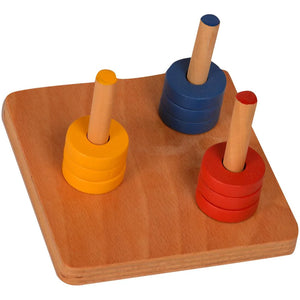
Activities such as threading large beads, manipulating chunky puzzles, or using tongs to transfer small objects enhance pincer grasp and hand-eye coordination. The Times of India recently shared '5 fun tricks to supercharge fine motor skills in your child,' which can be adapted easily for children with motor challenges. For example, using oversized beads for threading or providing weighted pencils can assist with control and stability. Practical Life exercises like spooning beans or squeezing sponges are also incredibly beneficial, building hand strength and precision.
Gross Motor Activities for Strength and Coordination
Gross motor skills involve the larger muscles and are essential for mobility, balance, and spatial awareness. For children with special needs, these skills are foundational for navigating their environment independently, whether it's playing in the garden or participating in school activities. Targeted gross motor activities can improve muscle tone, coordination, and confidence.
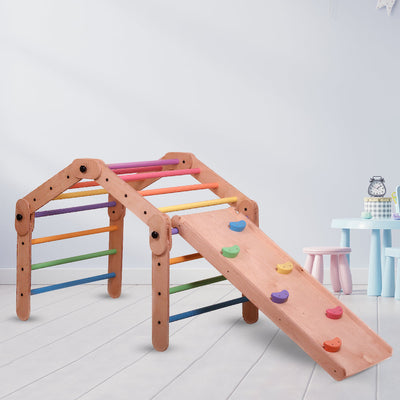
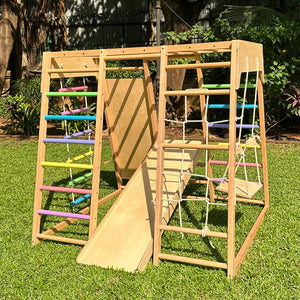
Consider activities like crawling through tunnels, walking on a low balance beam, or engaging in simple tossing and catching games with soft balls. Even everyday movements, like helping to carry lighter groceries or participating in a traditional Indian rangoli drawing activity outdoors, can be adapted. These activities build core strength, balance, and the ability to coordinate movements, preparing children for more complex physical tasks.
Sensory Motor Activities for Children with Disabilities: Integrating Senses
Many children with disabilities also experience sensory processing challenges, making sensory motor activities for children with disabilities particularly impactful. Integrating sensory input with motor output helps children better understand their bodies and how to interact with their surroundings. Montessori Sensorial materials are naturally designed to isolate and refine senses, making them excellent tools.
Activities such as exploring different textures with their hands and feet (e.g., rice, sand, fabric swatches), playing with scented playdough, or using sound cylinders can help children integrate sensory information. Pouring activities with varying liquids and containers, or scooping different grains, also provide rich tactile and proprioceptive feedback. These experiences build a stronger neural foundation for both fine and gross motor control.
Support for Children with Motor Challenges in India
Supporting children with motor challenges in India requires a multi-faceted approach, involving family, community, and specialized resources. The initiative by CHINAR International and SIDBI to open Skill Centres for children with disabilities, as reported by Greater Kashmir, exemplifies the growing national commitment. Parents often find invaluable guidance through local therapy centers, special educators, and parent support groups, especially in metropolitan areas like Bengaluru.
Grandparents and extended family members, integral to Indian family structures, play a vital role in providing consistent encouragement and adapted opportunities for play. Access to early intervention programs has been shown to improve outcomes for up to 70% of children with developmental delays, underscoring the importance of seeking help early. SkilloToys is dedicated to providing accessible, high-quality Montessori resources to support this crucial journey for every Indian family.
- Montessori principles offer an inclusive and highly effective framework for motor skills development in children with special needs.
- Adapting Montessori activities involves simplifying tasks, providing modified tools, and observing the child's unique pace and abilities.
- Targeted fine motor activities, like threading and puzzles, significantly improve dexterity and hand-eye coordination, crucial for daily independence.
- Gross motor activities, such as balancing and crawling, build foundational strength, balance, and overall mobility.
- Integrating sensory motor experiences helps children with disabilities process sensory information more effectively, enhancing motor control.
- Early intervention and community support, including dedicated skill centres and family involvement, are vital for optimal outcomes for children with motor challenges in India.
What is Montessori's approach to special needs education?
Maria Montessori's approach emphasizes individualized learning, observation, and prepared environments, making it inherently adaptable for children with diverse needs. It focuses on fostering independence and self-correction, allowing each child to progress at their own pace.
How can I adapt Montessori materials for my child with cerebral palsy?
Adapting Montessori materials involves modifying their presentation or use to suit a child's specific motor challenges, such as using larger handles, weighted tools, or simplified steps. For instance, offering a Pink Tower with fewer blocks or providing assistance with grasping can make activities accessible.
Are Montessori activities beneficial for sensory integration issues?
Yes, Montessori activities are highly beneficial for sensory integration as they naturally engage multiple senses through tactile, visual, and auditory stimuli. Activities like sorting, pouring, and exploring different textures help children process sensory information more effectively, improving their interaction with the environment.
Where can I find support for children with motor challenges in India?
In India, support for children with motor challenges is growing, with organizations like CHINAR International and SIDBI establishing skill centres. Parents can also connect with local NGOs, rehabilitation centres, and special educators in cities like Bengaluru for guidance, therapy, and community resources.
How do gross motor skills activities help children with disabilities?
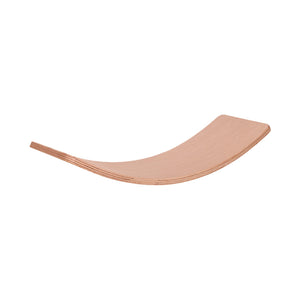
Gross motor skills activities are vital for developing core strength, balance, coordination, and spatial awareness, which are foundational for independent movement and participation. For children with disabilities, these activities, such as crawling, walking, or balancing using a balance beam, enhance mobility and confidence.