Motor Skills for School Readiness India: Viksit Bharat
Developing strong motor skills for school readiness India is foundational for children to thrive in early education and contribute to Viksit Bharat 2047. Research shows that proficiency in both fine and gross motor skills directly impacts a child's ability to engage with classroom tasks, manage self-care, and adapt to structured learning environments, effectively closing critical learning gaps. This holistic approach ensures our young learners are not just academically prepared, but physically and emotionally ready for the challenges ahead.
As India focuses on 'The padhai pivot' to bridge the school-readiness gap, the role of physical development, often overlooked, is gaining critical importance. Experts agree that a child's ability to hold a pencil, cut with scissors, or even sit attentively directly stems from their motor skill foundation. This is not merely about physical education; it's about integrated learning that empowers children for life.
What are Motor Skills for School Readiness?
Motor skills are the abilities to move our bodies and manipulate objects effectively. For school readiness, these include fine motor skills for writing, drawing, and cutting, and gross motor skills for balance, coordination, and sitting upright. This matters because these skills underpin independence and academic engagement. Indian parents can foster these through play and targeted activities, ensuring their child is prepared for the academic journey and beyond.
Why Motor Skills Matter for Early Childhood Education India
The journey towards school readiness in India is multifaceted, extending far beyond simply knowing alphabets and numbers. Child development experts agree that robust motor skills are non-negotiable for success in early childhood education. They are the silent enablers of learning, impacting everything from a child's ability to manage their lunchbox to actively participating in classroom discussions. Neglecting this aspect can lead to significant learning gaps.
A recent focus on 'closing the school-readiness gap for Viksit Bharat 2047' highlights the need for comprehensive early childhood development. This includes nurturing physical capabilities alongside cognitive ones. Studies indicate that children with well-developed motor skills are often more confident, better at problem-solving, and exhibit superior social interaction, crucial traits for navigating India's diverse schooling environments.
Montessori School Readiness: A Holistic Approach
The Montessori philosophy, pioneered by Dr. Maria Montessori, inherently understands the profound connection between movement and intellect. Montessori school readiness isn't just about academic preparation; it's about developing the whole child. Practical Life exercises, a cornerstone of the Montessori method, are designed specifically to refine fine motor skills, concentration, and independence ��� all vital for classroom success.
Activities like pouring water, buttoning clothes, or using small tongs to transfer beads are not merely chores; they are meticulously designed exercises. These activities train the hand, eye, and mind to work in unison, preparing children for tasks like holding a pencil (e.g., for writing Hindi or English alphabets), using a ruler, or managing their belongings. Such foundational skills are essential before formal academics are introduced, making them invaluable for every Indian child.
Essential Preschool Preparation Activities for Indian Homes
Indian homes, with their rich traditions and vibrant daily life, offer countless organic opportunities for preschool preparation activities. Grandparents often play a crucial role, engaging children in traditional games that subtly build motor skills. For instance, making intricate rangoli patterns with fingers refines fine motor control, while helping with puja arrangements teaches precision and sequencing.
Encourage everyday tasks like setting the table with plates and glasses (gross motor coordination), helping roll out small rotis (fine motor and bilateral coordination), or picking up lentils (pincer grasp). These culturally relevant activities seamlessly integrate learning into daily routines, making skill development a natural part of growing up in an Indian family. Remember, every little task contributes to strengthening their little muscles and minds.
Educational Toys for Readiness: Bridging Learning Gaps Physically
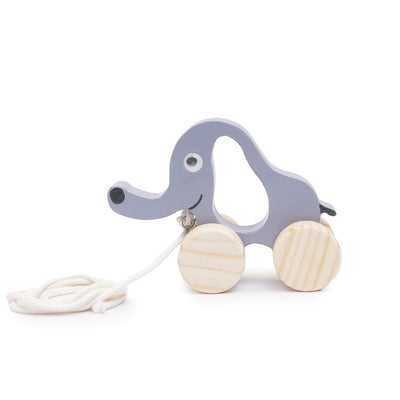
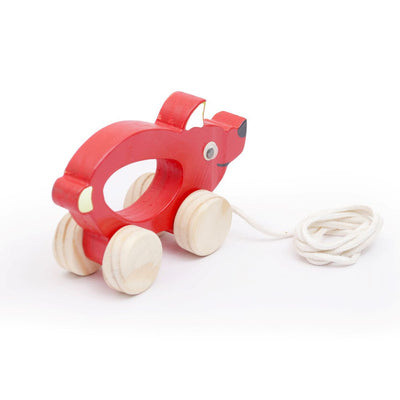
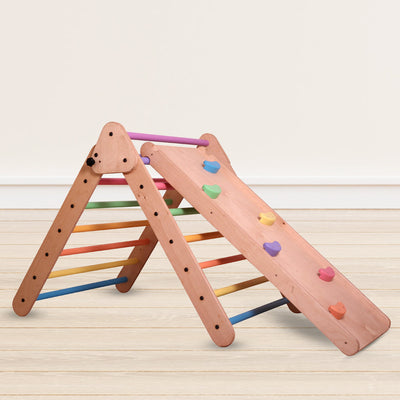
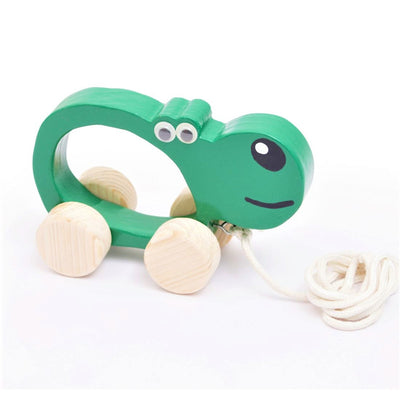
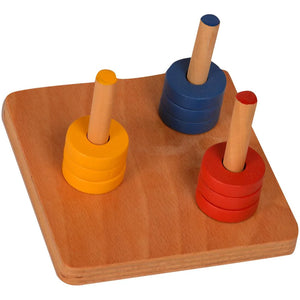
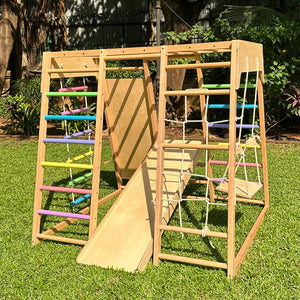
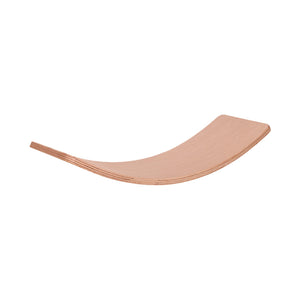
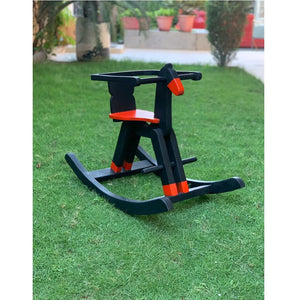
The right educational toys are powerful tools for closing learning gaps physical development. For instance, puzzles and building blocks develop spatial awareness and fine motor skills, crucial for handwriting and geometry. Large stacking blocks and push-pull toys enhance gross motor skills, improving balance and coordination needed for playground activities and sitting still in class.
SkilloToys.com offers a curated range of Montessori-inspired materials that are not just playthings but purposeful learning aids. From bead frames that teach number concepts while refining finger dexterity, to sorting activities that boost problem-solving and fine motor control, these materials provide hands-on experiences. Investing in such tools ensures children get a strong head start, preparing them for the academic rigour of Indian schools.
Viksit Bharat Child Development: A National Imperative
The vision of Viksit Bharat 2047 necessitates a generation of resilient, capable, and well-rounded individuals. This vision starts with robust early childhood development, where motor skills play a foundational role. Equipping our children with strong physical capabilities is not just a parental responsibility; it's a national imperative for building a skilled and thriving future workforce.
By prioritizing holistic development, including fine and gross motor skills, we are investing in children who are confident, adaptable, and ready to contribute meaningfully. As India Today emphasizes, 'play-based learning deserves equal footing with nutrition in child development' – a sentiment that underscores the comprehensive approach needed to raise children who are truly ready for the future challenges and opportunities of our evolving nation. This commitment ensures every child in India has the opportunity to reach their full potential.
- Developing strong motor skills is crucial for school readiness in India, directly impacting a child's ability to learn and thrive.
- The Viksit Bharat 2047 initiative emphasizes closing the early education gap, with motor skill development being a critical, often overlooked, component.
- Montessori education actively fosters both fine and gross motor skills through practical life activities, preparing children for academic and life tasks.
- Everyday Indian home activities, from helping with rangoli to kneading dough, naturally build essential motor skills.
- Targeted educational toys and materials significantly enhance physical development, bridging learning gaps and boosting school preparedness.
- Prioritizing play-based learning and motor skill development is an investment in creating capable, confident individuals for India's future.
What is the link between motor skills and academic success?
Strong motor skills, both fine and gross, are directly linked to a child's ability to perform academic tasks. They enable better handwriting, sustained attention, participation in physical education, and overall classroom engagement, setting a solid foundation for learning.
How do Montessori materials support motor skill development for school readiness?
Montessori materials are specifically designed to develop motor skills through purposeful activity. Practical Life exercises, for instance, refine fine motor control, coordination, and concentration, directly preparing children for academic tasks like writing and self-care in school.
Are there specific Indian home activities that build motor skills?
Absolutely. Activities like helping grandparents with rangoli designs, kneading dough for rotis, stringing flowers for garlands, or even sweeping small areas with a child-sized broom effectively build fine and gross motor skills within an Indian household context.
How can parents ensure their child isn't falling behind in motor skill development?
Parents can ensure healthy development by observing age-appropriate milestones and providing ample opportunities for active, open-ended play. Consulting with pediatricians or early childhood educators for personalized guidance and incorporating targeted educational toys are also effective strategies.
Why is play-based learning emphasized for motor skill development in India?
Play-based learning is crucial because it allows children to naturally explore and develop motor skills in an engaging, self-directed manner. This approach fosters creativity, problem-solving, and social skills alongside physical development, which is increasingly recognized as vital for holistic child development in India.