Motor Skills in Children with Autism: Sports & Montessori
Improving motor skills in children with autism is a critical focus for holistic development, and research consistently shows that integrating physical activity with structured educational approaches like Montessori can yield significant benefits. A recent study, highlighted by the Deccan Herald, underscores the profound impact sports can have on motor skill enhancement for children with autism, offering a beacon of hope and actionable strategies for parents across India.
Motor skills in children with autism involve their ability to plan and execute movements, which can often be challenging due to sensory processing differences and coordination difficulties. This matters because strong motor skills are fundamental for independence, learning, and daily life activities. Indian parents can proactively support this development through targeted play and educational strategies, ensuring their child is well-equipped for school readiness and everyday life, a crucial aspect of the 'padhai pivot' for Viksit Bharat 2047.
Enhancing Motor Skills in Children with Autism: The Sports Advantage
Research shows that structured sports participation significantly improves motor planning, coordination, and overall physical development in children with autism. A study recently featured in the Deccan Herald emphasizes how engaging in regular physical activities helps children develop better body awareness, balance, and social skills.
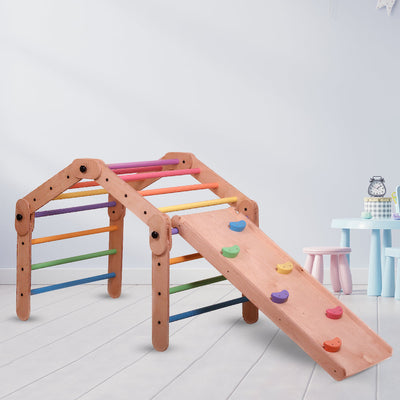
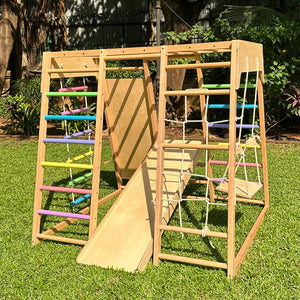
Child development experts agree that activities providing predictable routines and repetitive movements are especially beneficial. Imagine your child at a local Bengaluru park, confidently riding a tricycle or navigating a climbing frame – these are invaluable experiences. These structured play opportunities can directly address the common motor delays seen in autistic children, preparing them not just for sports, but for the broader demands of school and social interaction.
Gross Motor Skills Autism: Playful Pathways to Progress
Developing gross motor skills for autistic children involves activities that use large muscle groups, promoting balance, strength, and coordination. Consider simple yet effective exercises like running, jumping, catching a ball, or even traditional Indian games like kho-kho or gilli-danda adapted for individual play. These activities can be integrated into daily routines, perhaps during an evening stroll with grandparents or a weekend trip to a community garden.
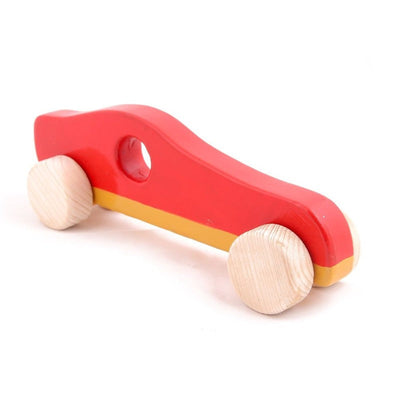
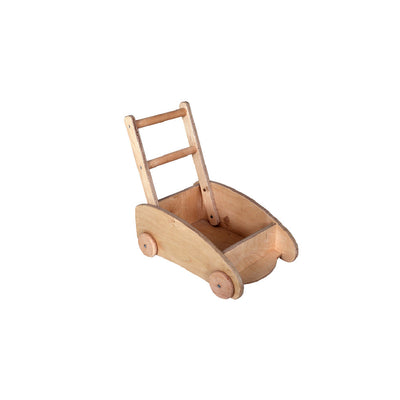
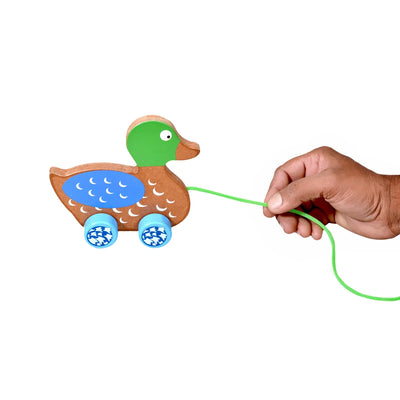
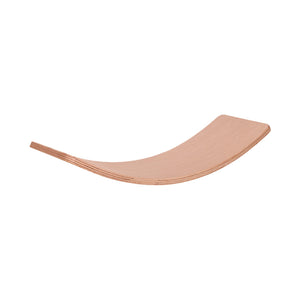
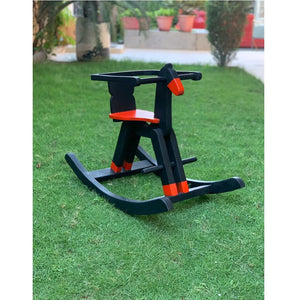
SkilloToys offers a range of gross motor skill toys designed to encourage purposeful movement. Think about balance boards, stepping stones, or tunnels that invite children to crawl, climb, and balance, all while having fun. These tools provide a safe and engaging environment for developing crucial physical abilities.
Montessori Activities for Autism: Nurturing Growth at Home
Maria Montessori's philosophy, centered on hands-on learning and self-directed activity, provides an ideal framework for supporting children with autism. Montessori activities offer structure, predictability, and sensory input, which are particularly helpful for children who thrive on routine and tactile engagement. This approach naturally complements physical activity by refining the precision and control needed for complex motor tasks.
Integrating Montessori at home doesn't require a dedicated classroom; simple adaptations can transform everyday spaces. From practical life activities like pouring water into glasses (a skill useful during festivals like Diwali when helping with preparations) to carefully placing beads, these tasks build focus and dexterity. This mindful approach to play not only enhances skills but also fosters a sense of accomplishment and independence.
Fine Motor Skills Autism: Precision Through Purposeful Play
Fine motor skills, involving the coordination of small muscles in the hands and fingers, are vital for tasks like writing, buttoning clothes, and eating independently. For children with autism, challenges in this area can significantly impact their ability to perform daily self-care and academic tasks.
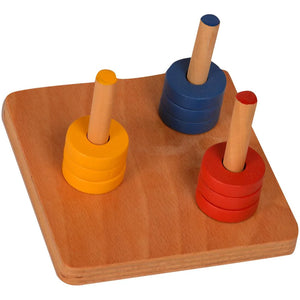
Montessori materials are specifically designed to address these needs. The Pink Tower, for instance, helps develop visual discrimination and precise placement, while Sandpaper Letters provide tactile sensory input for pre-writing skills. Bead stringing, lacing activities, and puzzle-solving are excellent ways to improve hand-eye coordination and pincer grasp. SkilloToys provides a wide selection of fine motor skill toys, perfect for cultivating these essential abilities at home.
Choosing Educational Toys for Autism: SkilloToys' Approach
When selecting educational toys for children with autism, the focus should be on materials that are durable, engaging, and designed for purposeful play. SkilloToys understands the unique needs of this audience, offering a curated collection of Montessori-aligned toys that promote specific skill development. For parents considering spending on skill classes, as highlighted by The Economic Times, investing in quality educational toys for home use can be a smart and sustainable choice.
Our Montessori method learning materials and toys are crafted to support children across various developmental stages, from 18-24 months and beyond. These materials provide structured opportunities for learning and growth, whether it’s through sensory exploration, practical life activities, or problem-solving games. We believe that every child deserves access to tools that empower their learning journey.
Incorporating sports and Montessori principles into your child's routine can be a transformative experience. It’s about creating a supportive environment where your child can explore, learn, and develop at their own pace, fostering resilience and joy. By embracing these integrated approaches, Indian parents can effectively champion their child's physical development and overall well-being.
- Research indicates that structured sports participation significantly improves motor skills in children with autism.
- Montessori educational toys offer predictable, sensory-rich activities crucial for developing fine and gross motor skills in autistic children.
- Activities like swimming, martial arts, and cycling are particularly beneficial for enhancing gross motor skills and body awareness.
- Montessori materials such as the Pink Tower, Sandpaper Letters, and bead stringing kits specifically target and refine fine motor coordination.
- A combined approach of physical activity and Montessori principles provides a holistic framework for supporting motor skill development in children with autism.
- Investing in quality educational toys and integrating purposeful play into daily routines are effective strategies for Indian parents to support their child's development.
Why are motor skills challenging for children with autism?
Children with autism often face challenges with motor skills due to differences in sensory processing, motor planning, and coordination. These can manifest as difficulties with balance, dexterity, and executing complex movements, impacting daily activities and learning.
What kind of sports are beneficial for autistic children?
Structured and repetitive sports like swimming, martial arts, cycling, and yoga are highly beneficial. These activities provide predictable routines, clear instructions, and opportunities to build strength, coordination, and body awareness, promoting motor development.
How do Montessori toys help develop fine motor skills in children with autism?
Montessori toys are designed to be self-correcting and engaging, offering tangible experiences that refine fine motor skills. Activities like bead stringing, puzzles, pouring, and using practical life tools enhance hand-eye coordination, pincer grasp, and concentration.
Are there specific Montessori activities for gross motor skills in autistic children?
Absolutely. Montessori principles extend to gross motor development through activities like walking on a line, carrying heavy objects, balancing beams, and climbing frames. These exercises build core strength, balance, and spatial awareness in a structured environment.
How can Indian parents integrate these approaches at home?
Indian parents can integrate sports by encouraging play in local parks or community centers and Montessori through dedicated home activity zones. Incorporate daily routines with purposeful movement, choose age-appropriate educational toys, and involve family members like grandparents in guided play to support holistic development.