Motor Skills in Preschool Education: A Modern Guide
Modern preschool education in India is definitively moving beyond rote learning, emphasizing holistic development where motor skills in preschool education are given significant importance. This paradigm shift ensures children build a robust foundation not just for academics, but for overall well-being and independence, aligning with global trends highlighted by 'The Hans India' on evolving preschool education.
Motor skills refer to the coordinated movements of muscles and limbs. This matters because strong motor skills directly impact a child's cognitive abilities, social interactions, and readiness for school tasks like writing or using scissors. Indian parents can proactively choose preschools that integrate comprehensive motor development into their curriculum.
The Evolving Landscape of Indian Preschools: Beyond ABCs and 123s
The traditional focus on memorising alphabets and numbers in early childhood education is rapidly expanding in India. 'The Hans India' recently reported on how preschool education is evolving, recognising that a child's development encompasses far more than just early literacy and numeracy. Today's educators understand that foundational motor skills are crucial for everything from self-care to complex problem-solving.
Research shows that children with well-developed motor skills exhibit better concentration and academic performance. This shift reflects a growing understanding that play-based learning preschool India offers deserves equal footing with nutrition in child development, as echoed by 'India Today'. Modern preschools are now designed to nurture children's physical, cognitive, and social-emotional growth simultaneously.
Montessori Principles: A Foundation for Montessori Preschool Motor Development
The Montessori philosophy, pioneered by Maria Montessori, inherently champions motor skill development through its meticulously designed 'prepared environment'. This approach naturally encourages children to move, explore, and manipulate objects, which are critical for refining both fine and gross motor abilities.
In a Montessori setting, children engage with hands-on materials that guide them towards mastery at their own pace. This self-directed activity not only builds physical coordination but also fosters concentration and independence. The very structure of Montessori activities ensures consistent Montessori preschool motor development, laying groundwork for future learning.
Fine Motor Skills: Precision and Control
Fine motor skills involve the coordination of smaller muscles, primarily in the hands and fingers, in synchronisation with the eyes. These skills are essential for everyday tasks and academic readiness. In a Montessori environment, children engage with a plethora of fine motor activities designed to refine their dexterity.
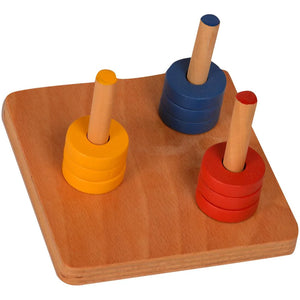
Activities like transferring beads with tongs, buttoning frames, using pipettes, and working with geometric shapes strengthen the pincer grasp and hand-eye coordination. Practical life exercises, such as pouring water, scooping grains, or using small locks, are integral preschool activities for motor skills that prepare children for writing, drawing, and self-care like dressing themselves.
Gross Motor Skills: Strength and Coordination
Gross motor skills involve the movement of the larger muscles in the torso, arms, and legs, crucial for balance, coordination, and agility. A robust Montessori program dedicates ample space and opportunities for children to develop these fundamental skills. This includes both indoor and outdoor activities that promote active exploration.
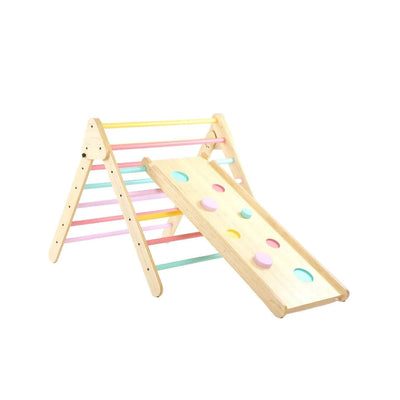
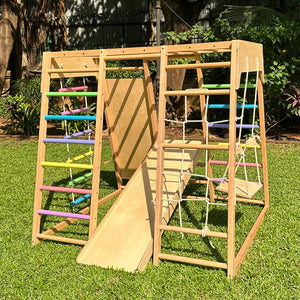
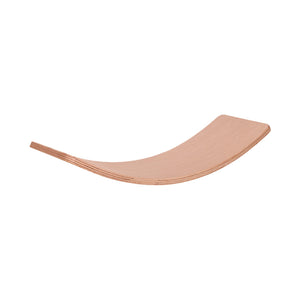
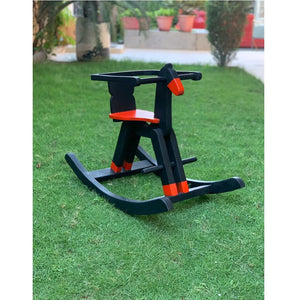
Children engage in activities like walking on the line, balancing beams, climbing structures, and carrying trays, all of which enhance their body awareness and coordination. Outdoor play, whether running in the garden or participating in group games, are vital gross motor skill building preschool activities for motor skills that foster physical strength and spatial reasoning.
Holistic Preschool Curriculum: Beyond the Classroom
A truly holistic preschool curriculum integrates physical development seamlessly into every aspect of a child's day. This means recognising that a child’s ability to sit still, pay attention, and even manage emotions is deeply connected to their physical capabilities. Modern preschools understand that motor development isn't just about moving; it's about learning through movement.
Child development research indicates that strong foundational motor skills by age five significantly predict academic success and executive function abilities. Such a curriculum encourages active learning, where children are not confined to desks but are free to move and interact with their environment. This integrated approach benefits all children, and can also assist in the early identification of any developmental needs, ensuring comprehensive support.
Choosing a Preschool for Physical Development in India
For Indian parents seeking the best for their child's early years, choosing a preschool physical development is now a key criterion. When visiting potential schools, look beyond the shiny classrooms. Observe the children's engagement: are they allowed free movement? Are there diverse materials that encourage hands-on exploration? Does the curriculum explicitly mention physical development goals?
Enquire about dedicated outdoor play areas and how often children access them. Look for schools that embrace play-based learning and offer a variety of Montessori materials. For parents in Bengaluru, specifically, many reputable Montessori schools integrate robust physical development programs. Studies suggest that children engaged in quality early childhood education with a focus on physical development show up to a 15% improvement in school readiness compared to those without.
Supporting Motor Skills at Home: A Joint Effort
The role of parents and joint families in nurturing motor skills is equally vital. Encourage unstructured free play, whether it's building with blocks, helping with simple household chores like sorting clothes, or simply playing outdoors in the local park. Grandparents, with their wealth of traditional games, can also be wonderful facilitators of motor development.
Limit screen time and offer opportunities for creative expression through drawing, painting, or constructing with various materials. Providing simple Montessori-inspired toys and materials at home, like threading beads or puzzles, reinforces the skills learned in preschool and fosters a love for learning through doing.
- Modern Indian preschools are shifting focus from rote academics to holistic child development, including motor skills.
- Montessori education is inherently designed to foster robust fine and gross motor skill development through hands-on materials.
- Strong motor skills by age five are a significant predictor of academic success and executive function abilities.
- Play-based learning is a critical component of modern preschools, facilitating comprehensive motor, cognitive, and social-emotional growth.
- Parents should actively evaluate a preschool's curriculum and facilities for its emphasis on physical development and play opportunities.
- Encouraging free play and providing age-appropriate activities at home are crucial for reinforcing motor skills learned in preschool.
Why are motor skills important in preschool education?
Motor skills are crucial in preschool education because they form the foundation for cognitive development, academic readiness, and independence. Strong motor abilities enhance a child's confidence and ability to engage with their environment effectively, impacting everything from writing to problem-solving.
How does Montessori support motor development?
The Montessori method provides a specially prepared environment with self-correcting materials that naturally encourage motor skill development. Children engage in practical life activities like pouring and buttoning, and sensorial work with tools like the Pink Tower, which refine both fine and gross motor coordination organically.
What is play-based learning and why is it essential?
Play-based learning is an educational approach where children learn through engaging in free or structured play, fostering curiosity and exploration. It is essential because it integrates physical, social, emotional, and cognitive development, allowing children to develop motor skills, problem-solving, and creativity in a natural, enjoyable way.
How can I assess a preschool's focus on physical development?
To assess a preschool's focus on physical development, look for dedicated outdoor play areas, age-appropriate gross motor equipment, and a variety of fine motor activities integrated into the daily curriculum. Observe if children are actively engaged in hands-on tasks and if educators encourage movement and exploration.
Are there specific Montessori materials for motor skills at home?
Yes, many Montessori-inspired materials are excellent for motor skill development at home. Look for items like practical life sets (pouring, scooping), building blocks, threading beads, puzzles, and dressing frames. These activities encourage concentration and refine hand-eye coordination.