Motor Skills School Readiness India: Viksit Bharat Goal
Developing strong motor skills school readiness India is foundational for children transitioning to formal education, directly impacting their ability to write, participate in classroom activities, and engage with peers. This crucial preparation supports their cognitive development and independence, aligning with national goals for a robust educational future and ensuring every child has a fair start.
Motor skills school readiness refers to a child's physical ability to perform tasks essential for school, such as holding a pencil, cutting with scissors, and navigating playground equipment. This matters because it directly influences their academic performance, social confidence, and overall well-being. Indian parents can proactively support this development through purposeful play and educational toys designed for holistic growth.
The 'Padhai Pivot': Viksit Bharat 2047 Education Starts with Early Skills
The recent discourse around the 'padhai pivot' and closing the school-readiness gap for Viksit Bharat 2047 highlights a critical national focus on foundational learning. Research shows that children with well-developed motor skills at school entry demonstrate higher academic achievement and better social-emotional regulation. This early investment in physical development is not merely about play; it is about building the neurological pathways essential for complex learning and problem-solving.
In many Indian households, the pressure for academic excellence often overshadows the importance of early physical development. However, child development experts agree that a balanced approach is crucial for true readiness, laying the groundwork for future success in India's evolving educational landscape.
Why Motor Skills School Readiness India Matters Beyond Academics
Strong motor skills contribute significantly to a child's independence, enabling them to manage self-care tasks like dressing themselves or opening their lunchbox, which are vital for a smooth school transition. Furthermore, these skills build confidence, allowing children to participate actively in sports, art, and group activities. Studies indicate that children proficient in both fine and gross motor skills exhibit greater self-esteem and better peer interaction, laying the groundwork for leadership and collaboration – qualities essential for India's future.
This holistic development extends beyond the classroom. Grandparents, often the first educators in our joint families, intuitively understand the value of traditional games and chores that foster these skills. Their involvement provides a rich environment for natural motor development, blending cultural wisdom with practical learning.
Empowering Children Through Play-Based Learning School Readiness
Play-based learning is universally recognized as the most effective method for developing motor skills in young children, making school readiness a joyful journey rather than a stressful preparation. Structured play provides opportunities for children to refine their hand-eye coordination, balance, and spatial awareness. Activities involving stacking, sorting, and lacing directly strengthen the muscles required for writing and drawing.
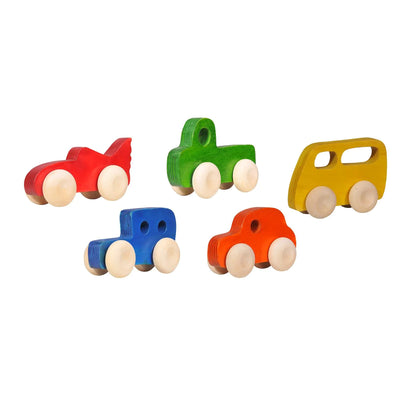
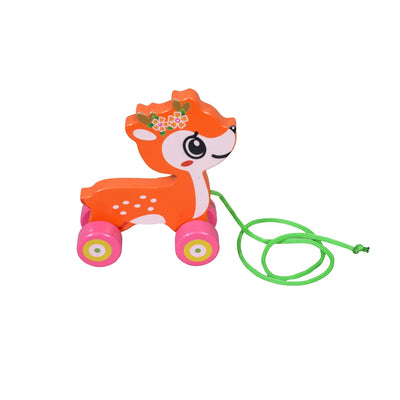
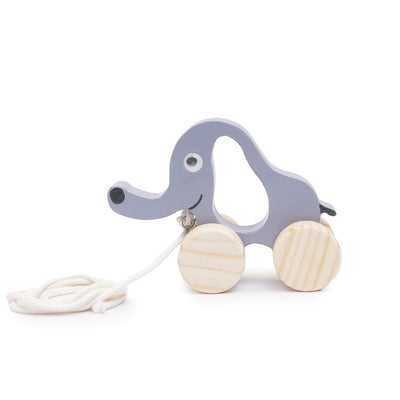
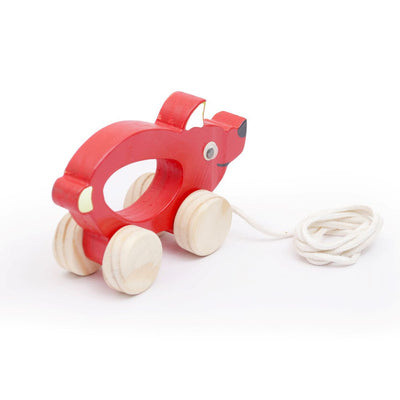
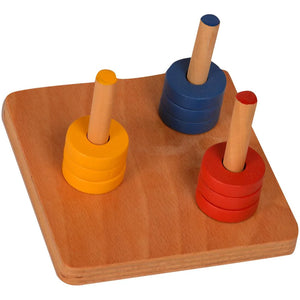
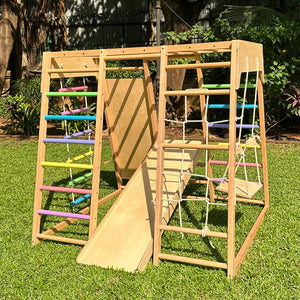
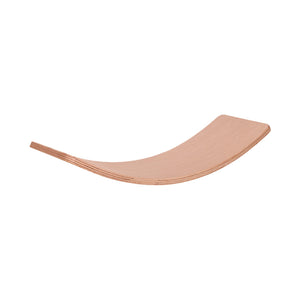
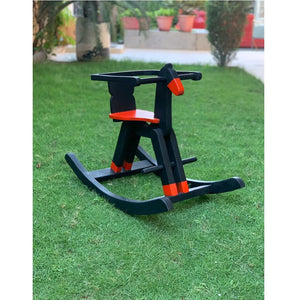
Incorporating high-quality fine motor skill development toys and gross motor skill toys into daily routines ensures children gain these fundamental abilities naturally. Such engagement makes learning an adventure, preparing them comprehensively for the demands of school and future challenges.
The Montessori for School Readiness Advantage
Maria Montessori’s philosophy intrinsically supports motor skill development, recognizing its profound connection to cognitive growth and independence. Montessori materials are meticulously designed to engage a child's senses and hands, promoting concentration, problem-solving, and coordination. For instance, working with the Pink Tower refines visual discrimination and balance, while using Sandpaper Letters prepares the hand for writing by engaging tactile senses.
The structured yet self-directed nature of Montessori education cultivates not just specific skills but also a love for learning, crucial for children entering school in India. This approach empowers children to master tasks at their own pace, fostering a sense of accomplishment and readiness for formal academic environments.
Fine Motor Skills: The Foundation for Learning
Fine motor skills involve the coordination of small muscles, particularly in the hands and fingers, in conjunction with the eyes. These are critical for academic tasks like writing, drawing, cutting, and manipulating small objects. Mastering these skills allows children to engage independently with classroom materials and daily self-care routines, reducing frustration and boosting their confidence.
Gross Motor Skills: Building Confidence and Coordination
Gross motor skills involve the larger muscles in the torso, arms, and legs, crucial for movement and balance. Activities like running, jumping, climbing, and throwing not only promote physical health but also develop spatial awareness and body control. These skills are essential for navigating the school environment, participating in physical education, and developing social play with peers.
SkilloToys: Your Partner in Early Childhood Development India
SkilloToys is dedicated to empowering Indian parents in nurturing their children's holistic development, particularly in these foundational years. Inspired by the vision of a self-reliant and educated 'Viksit Bharat,' our Montessori-aligned toys are thoughtfully designed to make learning engaging and effective. We believe that by providing the right tools and guidance, every child in India can bridge the school-readiness gap and embark on their educational journey with confidence and joy.
Our commitment mirrors the philosophy of innovators creating sustainable, high-quality educational resources, understanding the unique needs of Indian children and families. Explore our comprehensive collection of Montessori educational toys that foster vital motor skills and cognitive abilities, ensuring your child is truly ready for school and life.
- Motor skills school readiness India is crucial for academic success and holistic child development, aligning with Viksit Bharat 2047 goals.
- The 'padhai pivot' in Indian education emphasizes early foundational skills, making motor development a national priority.
- Play-based learning, especially with Montessori materials, is the most effective way to develop essential fine and gross motor skills.
- Children with strong motor skills exhibit greater independence, confidence, and social competence in school.
- Investing in quality educational toys empowers parents to actively prepare their children for a smooth and successful school transition.
- Maria Montessori's methods provide a structured approach to foster motor skills, concentration, and a lifelong love for learning.
What are key motor skills needed for school in India?
Key motor skills include fine motor abilities like holding a pencil, cutting with scissors, and manipulating small objects, alongside gross motor skills such as running, jumping, and maintaining balance. These are essential for classroom participation, self-care, and engaging in physical activities within the Indian school system.
How does play help with school readiness?
Play is fundamental for school readiness because it naturally develops motor skills, problem-solving abilities, and social-emotional intelligence. Through engaging in diverse play activities, children refine coordination, learn to share, and build confidence, making the transition to formal schooling smoother and more enjoyable.
Can Montessori methods truly prepare my child for school?
Yes, Montessori methods are highly effective in preparing children for school by fostering independence, concentration, practical life skills, and a love for learning. The structured environment and self-correcting materials build strong foundational motor and cognitive skills, equipping children for academic and social success in various educational settings.
When should I start focusing on motor skill development?
Focus on motor skill development should begin in infancy, as children's brains are rapidly forming connections during the early years. Providing age-appropriate stimuli and opportunities for movement and exploration from birth helps lay a strong foundation for both fine and gross motor skills, crucial for later school readiness.
What role do grandparents play in a child's motor skill development in Indian homes?
Grandparents in Indian homes often play a significant role by engaging children in traditional games, storytelling with gestures, and practical activities like helping in the kitchen or garden. These interactions naturally encourage fine and gross motor development, fostering cultural connections while building essential physical abilities.