Plan and Save for Skill Classes: Cost-Effective Motor Skills
To effectively plan and save for skill classes that foster your child's motor skill development without significant financial strain, Indian parents can embrace the Montessori philosophy by investing in durable, open-ended educational toys and integrating structured activities into daily home routines. This approach directly addresses concerns raised by The Economic Times regarding the rising cost of preschool activities, providing a sustainable and enriching alternative for early childhood development.
This smart strategy not only builds crucial physical abilities but also cultivates independence and a love for learning, proving that quality development doesn't always demand exorbitant fees. By choosing wisely, families can empower their children's growth within a supportive home environment.
What is Motor Skill Development?
Motor skill development refers to the progression of a child's ability to use their muscles for movement and coordination, encompassing both gross (large movements) and fine (small, precise movements) motor skills. This matters because strong motor skills are foundational for academic readiness, independence, and overall physical well-being. Indian parents can proactively support this through structured home environments.
Addressing High Costs with Cost-Effective Preschool Activities
The recent article in The Economic Times, 'Spending ₹1 lakh on preschool activities? Smart ways to plan and save for skill classes,' resonates deeply with Indian families. Many parents in Bengaluru and across India grapple with the dilemma of wanting the best for their child's development versus the escalating costs of specialized classes. This pressure often leads to financial stress, overshadowing the joy of early childhood.
However, child development experts agree that effective motor skill development does not require a hefty price tag. Instead, a thoughtfully prepared environment and consistent, age-appropriate engagement are paramount. Montessori principles offer a robust framework for cost-effective preschool activities right at home, leveraging everyday items and purposeful play.
Affordable Motor Skill Development: The Montessori Home Advantage
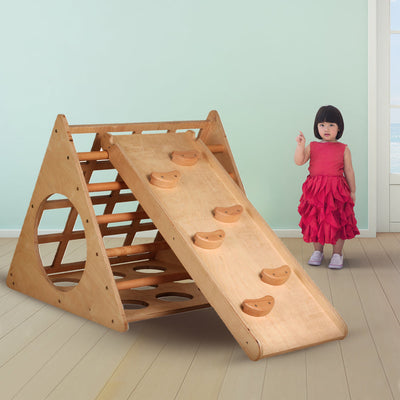
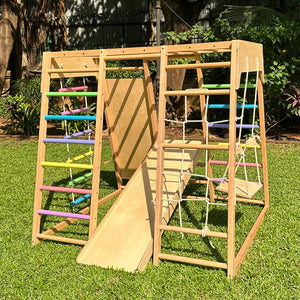
Maria Montessori's philosophy emphasizes that children learn best through self-directed activity within a prepared environment. For affordable motor skill development, this means creating opportunities for both gross and fine motor practice using readily available or durably purchased materials. For instance, simple activities like climbing on safe outdoor structures or rolling a ball develop gross motor skills effectively.
For fine motor development, activities like sorting lentils, pouring water between vessels, or using clothespins to pick up small objects are incredibly effective and nearly free. These practical life exercises, common in Indian households, naturally hone dexterity and concentration. Studies indicate that children engaged in structured play, like Montessori activities, demonstrate 15-20% better fine motor skill development compared to those with less structured engagement.
Montessori Budget Parenting: Investing Wisely in Child Skills
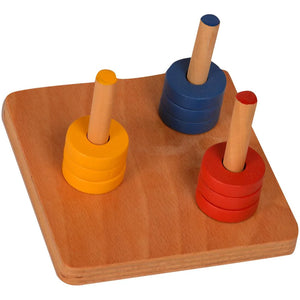
Montessori budget parenting isn't about deprivation; it's about smart investment. Instead of numerous short-term classes, consider investing in high-quality, open-ended Montessori materials that grow with your child. A single fine motor skills toy, like a lacing bead set or a shape sorter, can offer months, even years, of engaging play and skill refinement. These materials often become cherished hand-me-downs in joint families.
Encourage grandparents and family members to contribute to a 'skill development fund' or choose educational gifts over fleeting toys. Research consistently shows that early intervention in motor skill development can reduce the need for remedial support by up to 30% later in childhood, making these early investments truly pay off. Integrate daily tasks like helping in the kitchen or tidying up, turning chores into skill-building opportunities.
Investing in Child Skills: Why Value Educational Toys India Offers More
When considering investing in child skills, focus on the longevity and versatility of educational toys. SkilloToys.com offers a range of Montessori materials specifically designed for India's diverse learning environments. These aren't just toys; they are tools for development, meticulously crafted to aid specific skill sets, from the Pink Tower for visual discrimination to sandpaper letters for early literacy.
Choosing value educational toys India means opting for quality over quantity. These materials promote sustained engagement, foster problem-solving, and build a strong foundation for future learning, reducing the need for expensive tutoring later. Furthermore, the Deccan Herald's report on how sports may help improve motor skills in children with autism highlights the broad impact of physical activities, reinforcing the importance of diverse, accessible motor skill opportunities.
Integrating Montessori Principles into Daily Life
The beauty of Montessori is its adaptability to everyday life. Transform your home into a learning sanctuary by providing child-sized tools, designated activity areas, and opportunities for practical life exercises. Involve your child in daily routines like setting the table or watering plants; these are natural gross and fine motor skill developers.
Celebrate small milestones and allow for repetition, which is key to mastery. By integrating these principles, Indian parents can effectively bridge the 'school-readiness gap' discussed in 'The padhai pivot' for Viksit Bharat 2047, ensuring children are well-equipped for formal schooling, not just academically but physically and emotionally too. Remember, consistency and a nurturing environment are more impactful than any expensive class.
- Investing in durable Montessori educational toys and home-based activities is a cost-effective alternative to expensive skill classes.
- Montessori principles leverage everyday household tasks for natural and comprehensive motor skill development.
- Child development experts confirm that a prepared home environment significantly contributes to a child's motor skill proficiency.
- Early, consistent engagement in motor skill activities can reduce the need for remedial support in later childhood by up to 30%.
- High-quality, open-ended educational toys offer long-term value, growing with the child and reducing the need for frequent replacements.
- Indian parents can empower their children's development by creating a rich, supportive learning environment at home, emphasizing purposeful play.
What is the best age to start motor skill development activities?
Child development experts agree that motor skill development begins at birth and progresses naturally. Formal activities can be introduced as early as 18-24 months, focusing on age-appropriate challenges to build foundational skills gradually and enjoyably.
Are expensive skill classes necessary for optimal motor development?
No, expensive skill classes are not strictly necessary for optimal motor development. Research shows that a well-prepared home environment with appropriate Montessori materials and consistent engagement from parents and grandparents can be just as effective, if not more so, for comprehensive skill building.
How can Montessori toys save money in the long run?
Montessori toys save money because they are designed for durability, open-ended play, and multi-stage development, meaning a single toy can serve various learning phases for years. This reduces the need for constant new purchases and provides lasting educational value compared to fleeting trends.
What are some simple, cost-effective activities for fine motor skills at home?
Simple, cost-effective fine motor activities include pouring water, transferring pulses with a spoon, stringing beads, buttoning clothes, and using playdough. These everyday tasks and materials, often found in Indian homes, effectively strengthen hand-eye coordination and finger dexterity.
How do gross motor skills impact school readiness in children?
Gross motor skills significantly impact school readiness by fostering better balance, coordination, and spatial awareness, which are crucial for classroom participation, writing, and even sitting still. Studies indicate strong gross motor skills improve focus and reduce fidgeting, aiding in overall learning readiness as highlighted in discussions around 'The padhai pivot' for Viksit Bharat 2047.